10 foods that help manage arthritis
Arthritis is an inflammatory health condition that results in swelling across multiple joints in the body. It is a common problem that may cause stiffness and pain in the affected regions. Healthcare experts may indicate a range of treatment plans and therapies to improve symptoms of arthritis. But they may also recommend making lifestyle changes to curb symptoms of arthritis. Here are some of the best foods that help manage the condition and its symptoms.
Pineapple
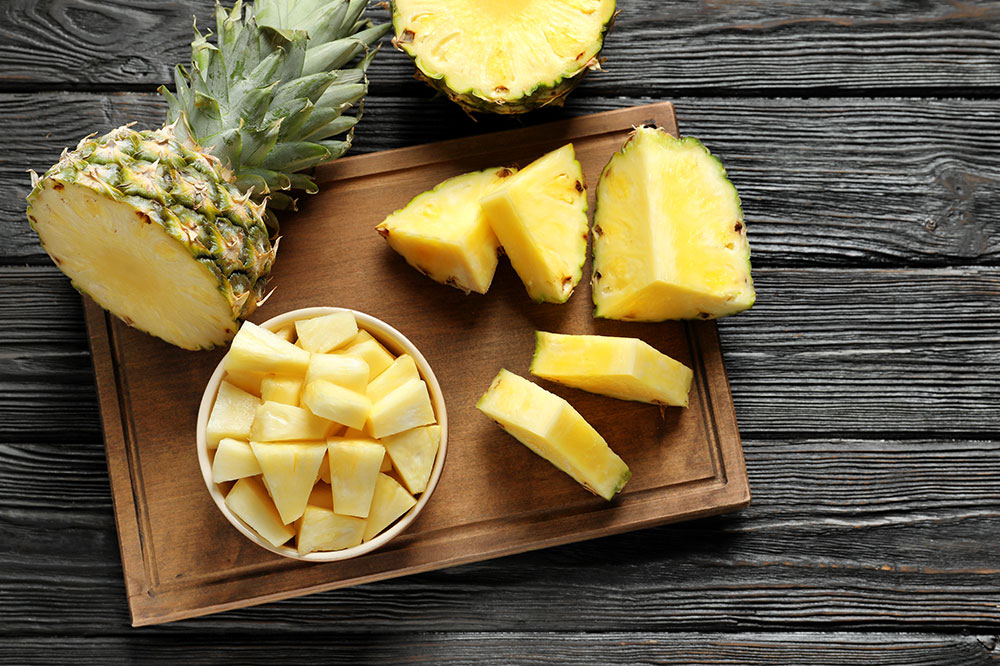
The flavorful fruit contains a class of enzymes such as bromelain and is considered healthy for people with arthritis. Bromelain works as an effective enzyme that releases anti-inflammatory and pain-relieving effects. The property is especially known to relieve the symptoms of osteoarthritis but may also help tackle the symptoms of rheumatoid arthritis. One could either eat pineapple fresh or drink its juice. Other ways to enjoy the fruit include blending it with other anti-inflammatory foods like romaine lettuce, ginger, and cilantro. One should also add water to the concoction until it reaches a preferred consistency.
Salmon
Fatty fish like salmon are one of the healthiest food sources for multiple reasons. The fish contains high amounts of omega-3 fatty acids known for their anti-inflammatory effects. Salmon is also popular for its vitamin D content, a property essential for building strong bones. So, increasing the intake of the vitamin will not only improve bone health but also help manage symptoms of rheumatoid arthritis, such as aching joints, numbness, and tingling in the hands and feet. Other fatty fish that one can add to their meals to manage arthritis include herring, sardines, tuna, and mackerel.
Turmeric
Turmeric is a yellow spice commonly added to curry and foods to enhance flavor. As for arthritis, the spice is abundant in a compound called curcumin. The food helps tackle the symptoms of inflammation, reduce the risk of cancer, and manage high blood pressure. To extract the maximum benefits of turmeric, one must add it to their meals at least two or three times every week. However, it is important to remember that the spice may thin the blood, and it is essential to consult with an expert before introducing it to one’s meal regime.
Ginger
Another food that people with arthritis could add to their meal plans is ginger. One could add it to a range of foods in a crushed or powdered form. It contains an active ingredient, gingerol, which may help block the production of substances that may otherwise increase inflammation in the body. Ginger may help relieve knee pain, especially if it is caused by arthritis. One may consume two tablespoons of ginger daily to enjoy its health benefits. Moreover, they could add some pieces of the herb to hot boiling water to brew ginger tea.
Garlic
Garlic is a delicious addition that could be introduced to any savory dish. One could eat garlic raw, crush it or turn it into a powder to add to regular meals. The food contains diallyl disulfide, an anti-inflammatory compound that may reduce the effects of pro-inflammatory cytokines. So, while it may fight inflammation, eating garlic could also prevent cartilage damage caused by arthritis. One should remember to pick up fresh garlic from a store as bottled or packed options may contain added preservatives, which could reduce its effectiveness. Moreover, the chemicals could worsen the symptoms of arthritis.
Blueberries
Eating blueberries could introduce a range of minerals, vitamins, phytonutrients, and antioxidants to the body, which could counteract inflammation. The delicious food is also abundant in anthocyanins, which helps reduce the impact of inflammation. Several other berries have similar health benefits, including strawberries, cranberries, raspberries, and blackberries. One could eat berries fresh, frozen, and dehydrated and also prepare smoothies by trying various berry combinations (without adding sugar).
Almonds
Nuts like almonds are high in protein, contain no cholesterol, and are low in saturated fats. The composition makes the food one of the healthiest choices for people with health complications, including arthritis. One could eat almonds plain or add them to their favorite salad, yogurt, or other healthy dishes to increase protein intake. Other nuts to add to one’s daily food regime include pistachios, hazelnuts, pecans, peanuts, and walnuts. Apart from the protein intake, eating a handful of these nuts daily could also improve fiber, magnesium, calcium, zinc, omega-3 fatty acids, and vitamin E, all of which have anti-inflammatory effects that could help manage arthritis.
Quinoa
There are multiple triggers that could worsen the effects of arthritis, including high cholesterol levels, insulin resistance, and chronic inflammation. Therefore, introducing fiber-rich whole grains, such as quinoa, to meal plans may help control these triggers, which could prevent the effects of arthritis. Other options with similar health benefits are brown rice, whole oats, corn, and whole wheat. For maximum benefits, one should consume about three to six ounces of grains in a day. But one could try them as side dishes rather than making them part of common meals.
Dark chocolate
People with arthritis would be glad to know that dark chocolate could help reduce the pain caused by the condition. The delicacy contains the ingredient cocoa, which is derived from the raw cocoa bean. It contains flavanols, a particular type of flavonoid, which has anti-inflammatory properties. Therefore, dark chocolate may help block some of the inflammatory properties, which could slow down or prevent inflammation. One should be mindful about how much chocolate they eat and look for options with at least 70% or higher cocoa content. Dark chocolate rich in this ingredient has relatively lower amounts of added sugars.
Hot peppers
Those who enjoy adding hot peppers to their meals may love to know that the food could benefit their overall health, especially if they suffer from arthritis pain. The food is rich in capsaicin, a component that is said to release pain, reduce inflammation, and also prevent the risk of cancer. One should look at hot pepper options such as habanero and serrano, which have a higher concentration of capsaicin compared to other mild peppers like poblanos and green peppers.