10 healthy foods to boost bone health and manage osteoporosis
Osteoporosis is a health condition that weakens bones in the body, making them brittle. The condition may lead to injuries or fractures even at the slightest fall. Improving bone health is one of the best ways to prevent osteoporosis. One can achieve this by following a treatment plan prescribed by a healthcare professional. But to give the bones an additional nutrition boost, the individual should include the foods listed below in their meal plan.
Milk
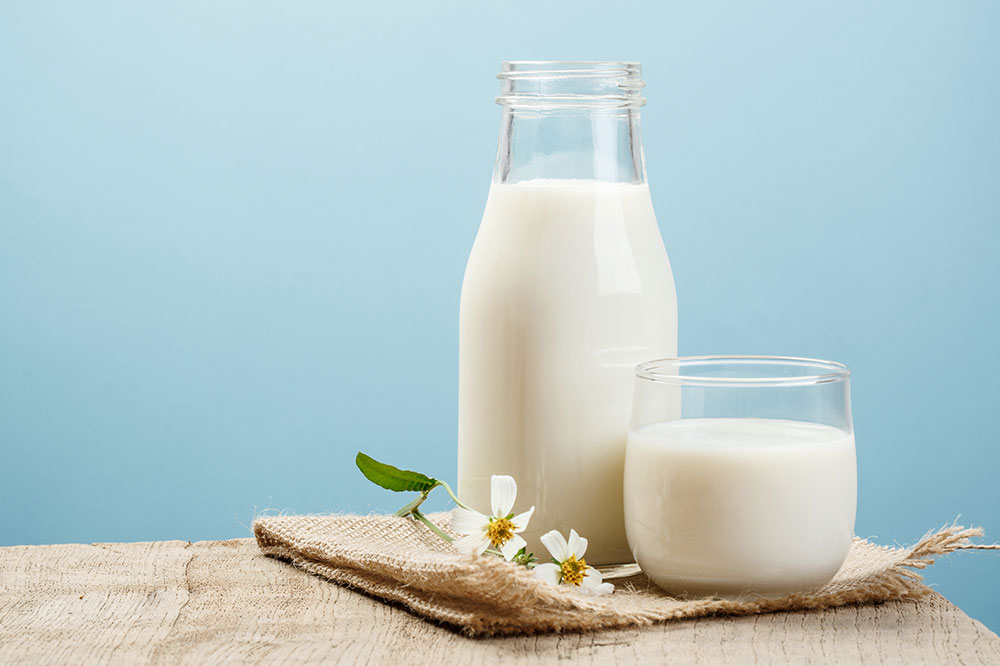
Maintaining and retaining peak bone mass for a long period is essential, especially in people at risk of osteoporosis. One of the ways to ensure the bones receive sufficient calcium is through the intake of dairy products like milk. Adults require at least 700 mg of calcium daily to improve bone strength and structure. However, one should be mindful of the type of dairy products they consume. Consult a nutritional expert if one is confused about whether o opt for full-fat or nonfat dairy products. Nonfat options are usually low on vitamins A and D, which are also required to build strong bones. Therefore, if an individual picks dairy products without fat, they must look for options fortified with fat-soluble vitamins.
Walnuts
Eating a handful of nuts regularly could introduce calcium to the body. Furthermore, the food is also rich in phosphorus – a vital component of bones. Walnuts are also high in magnesium, which is known to help absorb and retain calcium in the bones. Moreover, the food contains healthy levels of potassium that may also complement bone health and fight osteoporosis. Other types of nuts that someone with osteoporosis could include in their meal plans are pecans, peanuts, and almonds.
Chia seeds
Eating a handful of chia seeds with daily meals could significantly improve bone health and tackle osteoporosis symptoms. The food is rich in fibers and also contains other health properties such as magnesium and phosphorus. A single serving of chia seeds may introduce at least 18% of the recommended daily allowance of calcium, which is essential for healthy muscles, bones, and nerve function. Chia seeds are also high in omega-3 fatty acids that help lower cholesterol and reduce osteoporosis-related inflammation. Other seeds that one could eat to improve bone health include flaxseeds, pumpkin seeds, and sesame seeds.
Broccoli
Cruciferous vegetables like broccoli are among the most nutritious options that provide multiple health benefits, including properties that help manage bone health. Vegetable options to improve bone health are spinach, turnips, kale, and cabbage. A few properties that are good for the bones include vitamin K and calcium. The cruciferous vegetable also contains other healthy nutrients like iron, magnesium, and potassium, all necessary to moderate bone mineral density. One could eat broccoli raw to receive maximum nutritional benefits. Broccoli can also be eaten after cooking and steaming for similar health benefits.
Cabbage
People who add cabbage to their meal plan may benefit from its nutrient content, such as vitamin K, B6, calcium, and folates, which the body requires to manage bone health. Furthermore, the vegetable is high in vitamin C, which is necessary for the bones to absorb calcium. Spinach is another healthy food source with similar properties that may contribute to improved bone health and tackle the effects of osteoporosis.
Bananas
Fruits like bananas rank high among foods to manage health conditions like osteoporosis. The fruit contains minerals, iron, magnesium, calcium, and potassium. One should eat ripe bananas to ensure one receives the maximum health benefits to aid the development of healthier bones and prevent the onset of osteoporosis. Studies have also shown that eating fruits like bananas might help reduce calcium loss, a common osteoporosis symptom in post-menopausal women.
Edamame
Introducing beans like edamame may also serve as bone-building nutrients in the body. The food has high amounts of healthy fiber and protein, which are helpful for those who follow a plant-based meal regime. Plant foods like beans help individuals achieve the required calcium levels and other nutrients for building bones and preventing health complications like osteoporosis. Moreover, an individual could also benefit by eating other bean options like black beans, pinto beans, and kidney beans.
Salmon
People who include foods like salmon in their meals may benefit from multiple bone-boosting nutrients. It is a fatty fish, rich in omega-3 fatty acids and calcium levels. Salmon also contains vitamin D, a fat-soluble property that plays a significant role in helping the gut absorb calcium. The phenomenon enables the body to help bones grow and also aids in the remodeling process. To get the most out of salmon, one should pick canned options. Since the soft, small bones get included in the canning process, they contain a high amount of calcium (about 190 mg). One could also add other sources of fatty fish to their meals, such as tuna, trout, and sardines.
Oats
Oats are a good breakfast choice for several reasons, including helping people with osteoporosis. The cereal is high in nutrients such as copper, zinc, calcium, and magnesium. Since these properties are crucial for bone health, eating oats could help improve their levels and strengthen an individual’s bone structure. The presence of these elements in the body will also help improve calcium absorption, which is necessary to reduce the effects of osteoporosis and its symptoms.
Parsley
Individuals preferring leafy green options to add to their meal plan could incorporate parsley into their daily food intake. The vegetable is known for its high concentration of vitamin K1. This property controls the activity of osteoclasts, which are cells responsible for breaking down bones and ensuring that minerals are released into the bloodstream.
Besides standard treatment methods, a healthy meal plan could help patients better manage osteoporosis symptoms. A nutritional regime high in calcium, protein, and vitamin D will facilitate bone health and keep symptoms of the conditions at bay.