10 nutrition tips for managing PAH
Pulmonary arterial hypertension (PAH) is a chronic condition characterized by high blood pressure in the arteries that go from the heart to the lungs. One may also experience chest pain, shortness of breath during periods of activity, dizziness, and swelling in the ankles and legs. The condition causes the narrowing or blocking of the arteries in the lungs, making the heart work harder to pump blood. This leads to weakened heart muscles and heart failure.
Nutrition tips
Living with PAH can be difficult. Although there is no cure yet, doctors may recommend treatment plans to manage the condition better. These treatments can further be supplemented by following a healthy nutritional plan. So, here are some tips to help one manage PAH better:
Reduce salt and sodium intake
Cutting back on salt and sodium intake is often the first piece of advice for those when dealing with PAH. Those living with PAH must limit their sodium intake to less than 2,000 milligrams a day. This is because excess sodium increases water retention in the body, making the heart work harder to pump blood, worsening the symptoms of PAH. Salt is a common additive in baking mixes, pickled foods, deli meats, frozen dinners, cheese, milk, canned vegetables, condiments, and sauces. Instead of picking up the salt shaker, one should try to season the food with other spices and herbs like cumin or garlic.
Limit fluid intake
People with PAH are often placed on a two-liter water/fluid restriction, as too much fluid in the body can exert pressure on the heart. Drinking too much fluid could also lead to edema or swelling and cause difficulty in breathing. It is best to speak with the doctor to gain a proper assessment of fluid balance and intake requirements.
Avoid stimulants
Another nutrition tip to manage PAH is avoiding stimulant beverages such as cola, coffee, and tea, as they contain high levels of caffeine. Drinking more than four cups of coffee a day can increase blood pressure. Those who have these beverages must consider cutting down and replacing them with carbonated juices and hot beverages like green tea or hot chocolate.
Relieve nausea
Nausea is a common side effect of most PAH treatments. To avoid it, doctors recommend eating small portions and cutting back on fatty foods. Avoiding soda and ginger can help too. For those dealing with heavy bouts of nausea, trying dry toast or plain, unsalted crackers can also help. One should speak to the doctor if symptoms persist.
Choose iron-rich foods
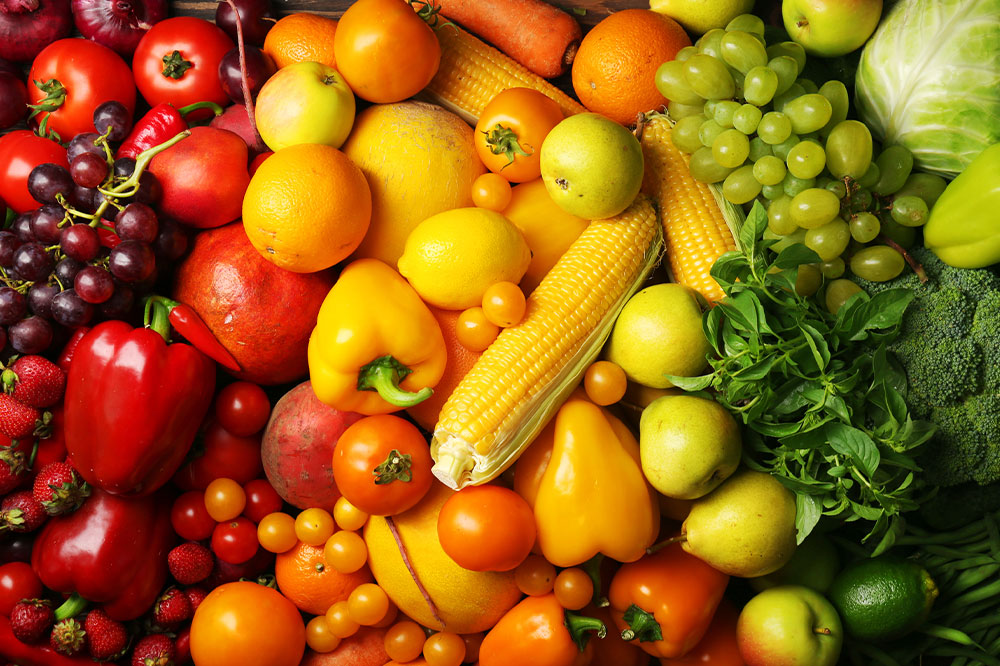
According to some studies, a nutrition plan low in iron can exacerbate the risk of PAH. So, one should opt for iron-rich foods such as beans, dark leafy greens, nuts, dried fruit, tofu, whole grains, red meat, eggs, fatty fish, and iron-fortified cereal. To increase iron absorption, one should get the right amount of vitamin C, which can be found in foods like tomatoes, bell peppers, broccoli, mangoes, oranges, and papaya.
Eat more garlic
Garlic is a rich source of the compound allicin, which can help widen blood vessels and reduce blood pressure. Garlic has also been associated with anti-inflammatory and antioxidant properties, which can be helpful for people with complications like asthma, bronchitis, or lung cancer. However, to get the benefits of allicin, it is important to have garlic within one hour of chopping it. It can be consumed raw or added to food to enhance the flavor.
Maintain a consistent vitamin K intake
An inconsistent intake of vitamin K can interfere with the functioning of certain blood thinning treatments. To avoid this, one should maintain a regular intake of this vitamin (whether higher or lower). Vitamin K is commonly found in dark leafy greens (like broccoli, asparagus, and spinach), vegetable oils, avocados, tuna, and cereal grains. One should consult a doctor to find out how much vitamin K is considered safe and how to maintain existing levels.
Avoid fast food
According to the Centers for Disease Control and Prevention, a major portion (36%) of the country’s nutritional requirements are met with fast food. This is a dangerous and worrisome statistic. While it may feel tempting to grab a quick bite, fast food generally contains excessive amounts of salt and sugar and has been associated with complications like type 2 diabetes, cancer, depression, and heart disease. With PAH, the heart is already in a vulnerable position, and adding any new stressors may make it weaker.
Choose nutrient-rich foods
According to the American Heart Association, inculcating a habit of eating nutritious food can help improve heart health and functioning, especially when dealing with chronic conditions like PAH. Apart from the aforementioned foods, other good options include:
Fresh fruits: Berries are a rich source of antioxidants and can help fight diseases and infections. Adding a serving of blueberries, cranberries, blackberries, raspberries, and strawberries to the daily meal plan can help. Fruits like dates, figs, raisins, and prunes are rich sources of iron and can help boost health.
Dark leafy greens: Cruciferous vegetables and other dark leafy greens are rich sources of vitamins, nutrients, and antioxidants. Maintaining a healthy intake of vegetables such as spinach, kale, collard greens, bok choy, lettuce, arugula, mustard greens, and Swiss chard can have a positive effect on health. Other vegetables like carrots and onions can also improve immune function and help manage PAH symptoms.
Fish: Fatty fish such as salmon, tuna, and mackerel is a rich source of omega-3 fatty acids and vitamin D, which can help absorb iron in the body.
Avoid lying down immediately after eating
One should wait at least three hours after a meal before lying down. Lying down immediately after eating can increase the chances of stomach acid entering the esophagus and causing heartburn. The risk multiplies for those undergoing treatment for PAH, as certain therapies cause the lower esophageal sphincter to relax, increasing the chances of stomach contents entering the esophagus and causing heartburn.