10 Superfoods for a Healthy Immune System
Nutrition plays a crucial role in boosting immunity and maintaining overall health and well-being. Food is fuel for the body and an organic source of essential vitamins, minerals, and nutrients that keep essential bodily functions up and running. Unfortunately, many people overlook the benefits of healthy meals, increasing their risk of developing diseases and infections. Here are ten popular superfoods for the immune system experts recommend including in the nutrition regimen.
Blueberries
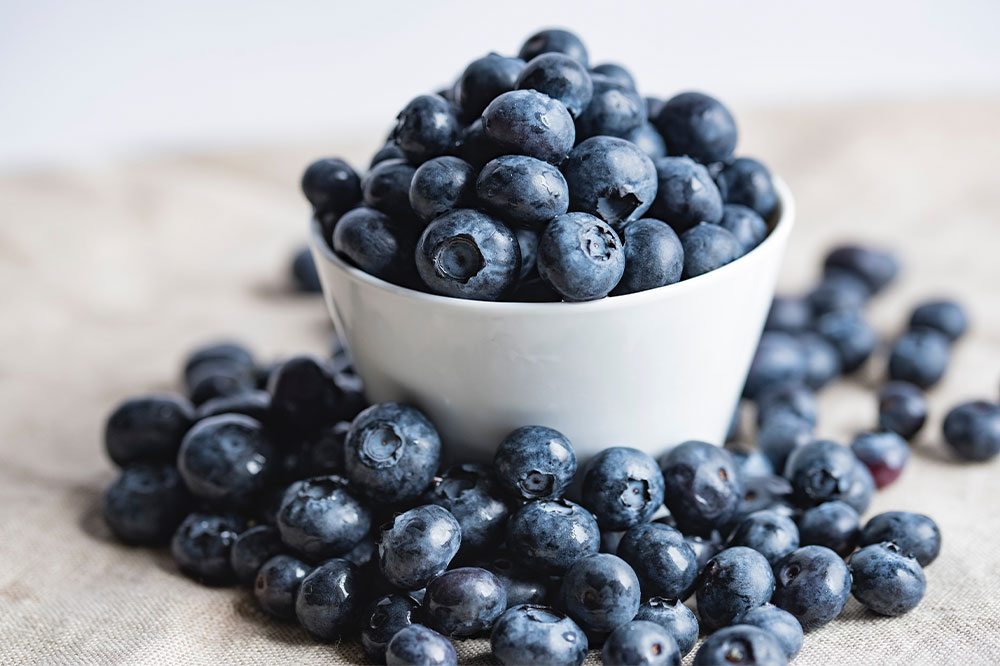
Blueberries are the richest sources of antioxidants and anti-inflammatory compounds that boost immunity. A handful of blueberries pack essential polyphenols and anthocyanins that prevent free radicals from causing oxidative stress to healthy cells. This lowers the risk of chronic diseases that impact cell regeneration. In addition, blueberries are low in calories and high in nutrients like fiber, manganese, and vitamins C and K. These compounds significantly lower the risk of cardiovascular diseases, boost cognitive function, lower blood pressure, fight common urinary tract infections, and even boast anti-diabetic effects. So, one can add blueberries to their food plan and enjoy these health benefits in the long term.
Broccoli
Nutritionists recommend including as many cruciferous vegetables and dark leafy greens in the food plan as possible to boost immunity. Broccoli is a rich source of soluble fiber, iron, calcium, potassium, and vitamins C and K. Combined, these nutrients prevent imbalances in blood sugar levels, improve joint and bone health, lower the risk of cardiovascular disease, and boost overall immunity. Broccoli is also a rich organic source of sulforaphane, an active compound that blocks harmful enzymes in the body, preventing them from causing pain and inflammation of the joints.
Spinach
This green leafy veggie is full of active folates, magnesium, and vitamins A and C that actively boost immunity. A cupful of cooked spinach contains more anti-inflammatory compounds than a few other veggies combined. It is also a rich source of beta-carotene, zeaxanthin, and lutein, active antioxidants that prevent cell damage resulting from chronic diseases. Spinach lowers the incidence of cardiovascular problems, eye disorders like cataracts and age-related macular degeneration (AMD), and even some cancers.
Apples
Apples keep many known diseases and discomforts away. The fruit’s skin contains a phytochemical called quercetin that actively inhibits inflammation-causing responses in the body. Apples also boost healthy gut microbiome activity to aid digestion, thanks to an easily-to-digest fiber called pectin. Quercetin and pectin work hand in hand to support immune, metabolic, and digestive responses for overall health. Besides munching on whole apples, one can blend the fruit in a juicer for a refreshing drink.
Garlic
Garlic is a spicy herb used for preparing many foods and beverages. It helps manage blood pressure and cholesterol, lowering the risk of cardiovascular diseases. Garlic also boosts healthy bacteria in the GI tract for healthy digestion. Further, the herb’s potent antiviral and antifungal compounds lower the risk of disease-causing infections. If raw garlic makes the food too spicy, one can mince it and use tiny amounts in the dishes.
Turmeric
This spice has been used for centuries in daily cooking, which speaks volumes of its benefits. Turmeric is a natural source of curcumin, an active cortisol and inflammation-fighting compound that prevents and lowers the risk of chronic inflammation. Fresh turmeric actively fights chronic inflammation and suppresses cortisol flare-ups that trigger stress. Curcumin also helps suppress autoimmune responses that cause the immune system to attack healthy cells. Adding turmeric to daily foods may even improve gut health and have digestive benefits.
Ginger
It is impossible to exclude ginger from the top superfoods that boost immunity. The root has excellent anti-inflammatory and antioxidant properties and is super-aromatic. It adds flavor to foods and beverages while preventing oxidative stress and inflammation. Fresh ginger prevents several known side effects of chronic diseases and actively prevents a bacteria imbalance in the gut. It may be helpful to prevent nausea, vomiting, and bloating, among other common digestive discomforts.
Mushrooms
Not everyone loves mushrooms. The texture and taste of this plant-like fungi are not very pleasing. But mushrooms have been a staple ingredient in many Asian cooking and cuisine styles for centuries due to their immunity-boosting properties. Research shows shitake or maitake mushrooms increase the production of specific Th1 cytokines, which, in turn, increase the number of T cells that boost immune responses. That said, not all mushrooms are edible. One must consult with a nutritionist to understand the safe varieties and the potential side effects or allergic responses of this food.
Whole grains
Whole grains are digested slowly, allowing the body to absorb the maximum nutrients necessary for a healthy immune system. Quinoa, in particular, contains fibers and complex carbohydrates that the body requires to promote healthy digestion. Oats and barley pack antioxidants and vitamin B that lower cortisol levels to fight stress and prevent inflammatory flare-ups. Whole grains improve the body’s immune response to prevent diseases and manage inflammatory triggers.
Assorted nuts and seeds
Nuts and seeds are excellent sources of healthy omega-3 fatty acids. Walnuts, almonds, cashews, and peanuts also contain excellent plant proteins, vitamin E, folic acid, and antioxidants. The body directly absorbs these compounds to prevent inflammation flare-ups, repair tissue, and promote healthy digestive functions to maintain strong immunity. Chia seeds are suitable to include with daily foods to boost omega-3 intake and counter the inflammation that develops with chronic diseases. One must choose unsweetened and unsalted nuts for the best benefits.
The foods discussed above have properties that can boost the body’s ability to fight diseases and infections. However, individuals should not make abrupt changes to their daily nutrition plans without understanding the consequences on the body in the long run. It is best to consult a certified nutritionist to discuss the foods one must eat and avoid for good health.