10 superfoods that can help manage colon cancer
Colon cancer refers to cancerous polyps developing in the rectum or colon in the lower part of the digestive tract. Individuals with colon cancer may experience abdominal pain, changes in their bowel movement patterns, diarrhea or constipation, and the feeling of incomplete bowel evacuation. Surgery, radiofrequency ablation, and chemotherapy are among the commonly prescribed treatment options for this condition. Further, incorporating certain foods into one’s meal plan can help with the healing process.
Superfoods to manage colon cancer
Beans
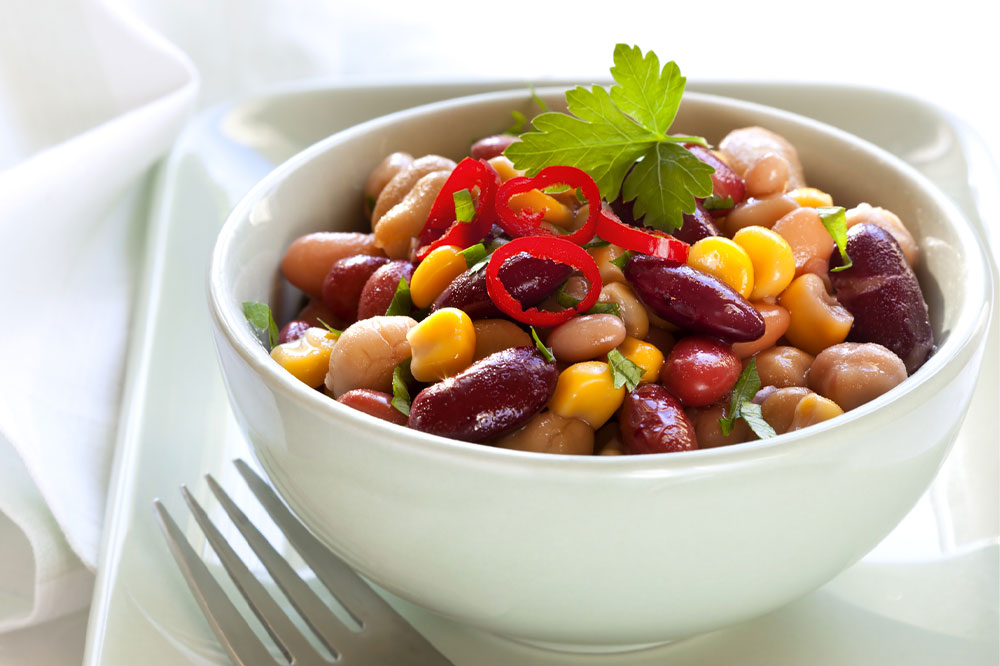
Beans are rich in flavonoids, compounds with several antioxidant properties that prevent colon cancer from spreading. They are also packed with fiber and vitamins B and E and can help replenish the body with essential nutrients. It helps to include different types of beans, including black beans, soybeans, kidney beans, lentils, peas, and pinto beans, in one’s meals while healing from cancer.
Fatty fish
Fatty or oily fish varieties, including salmon, swordfish, tuna, and mackerel, are excellent sources of omega-3 fatty acids associated with anti-inflammatory properties. Studies have shown that omega-3 fatty acids inhibit cancer progression and increase survival chances. Moreover, they contain high levels of vitamin D, which have also been shown to reduce mortality rates among patients.
Broccoli
Broccoli is a great source of sulforaphane, a phytochemical associated with cancer-fighting properties. In general, including broccoli and cruciferous vegetables like cauliflower, kale, bok choy, and collards in one’s meal plan can be highly beneficial to affected people.
Brown rice
Studies have shown that having brown rice can help reduce the formation of polyps and inflammation associated with colorectal cancer. Further, brown rice is a healthier substitute for polished white rice, as it contains higher levels of fiber and manganese, selenium, and other vital nutrients. It can also help with the movement of stools among affected patients.
Pomegranate
Pomegranate entails an anti-carcinogenic effect, limiting tumor growth and slowing colon cancer progression. Moreover, fresh pomegranate juice is a rich source of electrolytes, with a cup of pomegranate juice accounting for 18% of the total daily magnesium requirement. Electrolytes are essential for those undergoing chemotherapy and other intensive interventions, which typically cause fluctuations in the body’s potassium, sodium, calcium, and other elements. Therefore, pomegranate should be a significant part of one’s meal plan while undergoing treatment for the condition.
Carrots
Carrots are packed with carotenoids (beta-carotene), which can help curb the growth of cancer cells. This non-starchy root vegetable is also rich in other phytonutrients, which aid in fighting colon cancer. One may include carrots in various interesting ways, including in salads, soups, smoothies, and stir-fries.
Lean meats
Experts typically advise against the intake of red meat while recovering from colorectal cancer, as it is difficult to digest and increases one’s risk of diabetes, cholesterol, and other lifestyle diseases. However, while undergoing treatment for colon cancer, patients require essential proteins to gain energy. Lean meats are excellent protein sources that are easier to digest than red meat. Thus, affected patients should include lean meat sources like chicken, turkey breast, and venison in one’s meals.
Dairy
Individuals who are not lactose intolerant can benefit from having dairy products while healing from colon cancer. Dairy products are rich in calcium and can help reduce colon polyps. Moreover, dairy sources like yogurt and Greek yogurt are great probiotic sources, which can soothe the stomach and aid digestion.
Olive oil
Olive oil is packed with healthy compounds such as monounsaturated fats, phenols, phytosterols, and squalene, which can help with anti-inflammation and provide the body with much-needed energy while recovering from colon cancer. Further, it is a good alternative to salted butter and refined oils.
Rolled oats
Rolled oats are rich in phytochemicals, fiber, vitamins, and minerals and can help with digestion. It is classified as a soluble fiber source, essential to maintain good colon health. Rolled oats make for a wholesome breakfast option; they can be cooked with regular milk or lactose-free milk and topped with some fruits or nuts for a nutritional boost.
Lifestyle tips for patients with colon cancer
- Avoid processed foods
Processed foods contain high levels of saturated fats and refined flour and are difficult for the body to digest. These foods can worsen the symptoms and bowel problems. Thus, affected individuals should stay away from processed foods, replacing them with healthy complex carbohydrate and fat sources. - Stay hydrated
Water is crucial for digestion and proper bowel movements; moreover, it helps flush out toxins from the body and reduce the side effects of chemotherapy and other cancer treatments. Experts recommend having approximately five glasses of water per day in addition to healthy beverages, such as fresh fruit juices, smoothies, and soups. - Exercise regularly
While movement may be restricted among some affected patients, avoiding a sedentary lifestyle can increase one’s chances of survival while healing from this condition. Moderate-intensity cardio activities like walking, engaging in some household activities, and gardening can help manage cancer symptoms. - Avoid sugary foods
Foods high in added sugars can take away from the nutritional value of other foods and increase one’s risk for lifestyle diseases like diabetes and cholesterol, impeding recovery from colon cancer. It is best to avoid sugary items like baked foods and soft drinks, replacing them with natural sugar sources such as fruits and fruit juices.
Recovery from colon cancer typically involves intensive treatments, such as chemotherapy and surgical interventions, which have several side effects and can induce weakness. Hence, nutrition plays a vital role in boosting one’s immunity and aiding digestion during this time. Following healthy food and lifestyle practices alongside treatment can go a long way in facilitating recovery from this condition.