10 Unhealthy Habits That Damage the Teeth
It is common knowledge that teeth are one of the most vital parts of the human body. They help chew food, enhance smiles, give the face a balanced appearance, and more. This is why it is essential to maintain good dental habits and eliminate the bad ones. While brushing one’s teeth daily, flossing, and avoiding sugar-heavy foods, are some good habits, here are some unhealthy habits that damage the teeth:
Brushing vigorously
As specified earlier, brushing is good for the teeth. However, many people go overboard with their effort to brush their teeth. Vigorous brushing leads to tooth enamel wearing out and gums receding, resulting in progressively sensitive teeth. To avoid these outcomes, one must be gentle on their teeth and gums while maneuvering their brush from one end to another.
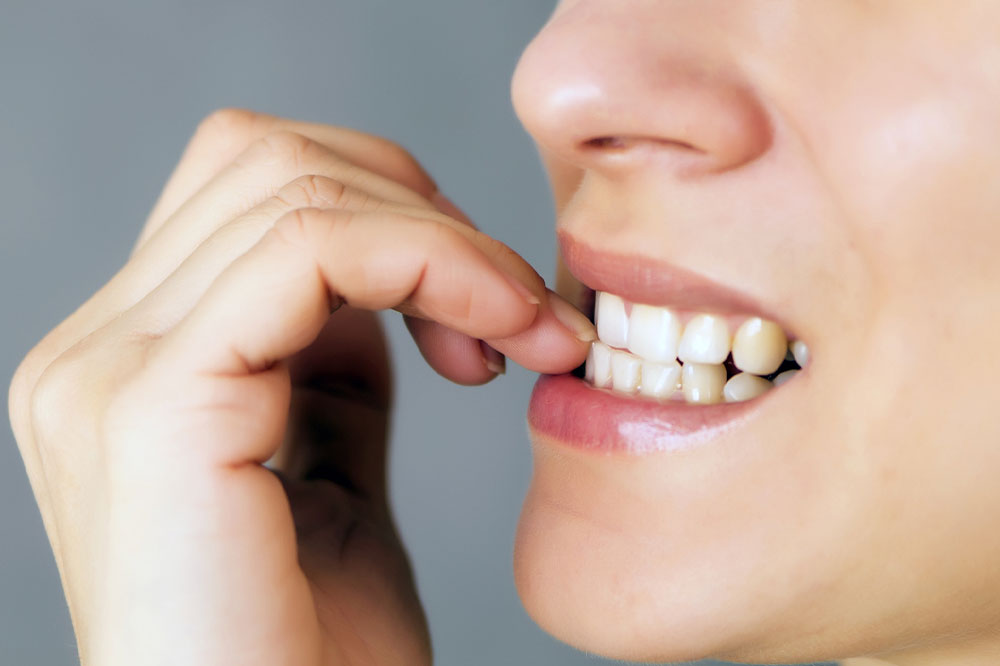
Biting nails
When stressed out, people are more than likely to bite on their nails even without realizing it. Nail-biting is bad for one’s dental health for a host of reasons. For one, this habit transfers all the germs and bacteria from one’s hands into their mouth.
Apart from that, biting one’s nails is a surefire way to damage and break the teeth over a period of time. What’s more, when a person bites their nails regularly, they are putting a lot of pressure on their teeth, causing them to subtly move around. When all the other teeth also get displaced due to this, a person’s smile and overall appearance are adversely affected. In addition to all these issues, biting on the nails too hard can place a lot of pressure on one’s jaw, causing issues such as jaw dysfunction and TMJ disorder.
While kicking this habit of biting nails is hard, one must try to do other things: squeezing a stress ball, writing out their thoughts in a diary, or taking a cold shower, if possible, when they feel overly stressed.
Using the teeth as a tool
People tend to rely on their teeth for a large and odd variety of tasks, such as tearing open packages, carrying objects when their hands are full, opening bottles by using their teeth as a corkscrew opener, and similar other functions. Needless to say, using the teeth for such tasks can weaken the gums, cause tooth damage, and even lead to toxic residue sticking between the teeth.
As is the case with the previous habit, giving this up can be challenging as it is so involuntary in nature. So, one must learn to use tools such as scissors, bottle openers, pocket knives, and similar others for basic tasks instead of using their teeth for the same.
Snacking constantly throughout the day
Snacking is a positive way to keep the body nourished, but doing so frequently throughout the day can leave one’s teeth vulnerable to cavities, especially if the snacks are starch- or sugar-heavy in nature. These snacks can cause bacteria to fester in one’s mouth and bring about issues such as bad breath and yellowing of teeth in people.
The antidote to this is to consume balanced and heavy meals so that one does not feel hungry frequently. This will help discourage people from snacking on sweet or starchy snacks from time to time. Ultimately, the goal of preventing tooth decay will be achieved in this way.
Clenching or grinding the teeth
Like nail-biting, people also tend to grind their teeth or clench their jaws when they feel worried, angry, sad, or stressed. Clenching one’s teeth or jaws can cause muscle pain, restricted jaw movement, and, in the long run, damaged and weakened teeth. To prevent this (in most cases, involuntary) habit, one can use various relaxation exercises such as the ones specified earlier. A good option to consider is to use a nighttime mouth guard to know when the clenching or grinding begins or if people have a habit of inadvertently grinding their teeth while they sleep.
Sucking thumbs frequently
While kids indulge in thumb sucking more frequently than adults, it is the latter group whose teeth can be affected negatively if they have this habit. Sucking one’s thumb can cause issues like an overbite or incorrect alignment of one’s teeth.
Using toothpicks
Most restaurants and food packages offer toothpicks for consumers to clean their teeth right after they have consumed a meal. Toothpick usage can be quite damaging to one’s teeth in many ways. Several dental studies have found that toothpicks can cause damaged teeth, toothaches, ruptured gums, gum infections, and other dental and oral health issues. Instead of using toothpicks, one can use one can simply floss their teeth regularly or use dental cleaning tools approved by the American Dental Association (ADA) to remove food stuck between their teeth.
Not drinking enough water
Hydration is a key aspect of healthy teeth and good overall oral hygiene. Drinking a glass of water after eating a meal helps eliminate food particles, acid, and bacteria from the mouth. On the flip side, if one does not consume adequate amounts of water every day, they may suffer from issues like dry mouth syndrome, bad breath, and, in the long run, tooth decay.
Consuming too much coffee
Caffeine is a particularly bad food item when it comes to dental health. Consuming excessive coffee can cause the teeth to develop a yellow stain. Additionally, the sugar in coffee can cause tooth decay in the long run and lead to also cavities and gum pain if the habit of coffee consumption is not kept in control.
Eating hard things
Consuming hard-to-chew foods on a daily basis places a large amount of pressure on one’s teeth and gums. If one keeps consuming such foods out of habit, then they are risking tooth damage, gum pain, and cavities in the future.
Apart from these, some of the other unhealthy habits that damage teeth are playing sports without a mouthguard, consuming things with powerful coloring agents, not flossing, eating acidic foods, and not regularly visiting the dentist for check-ups.