11 best foods for managing anemia
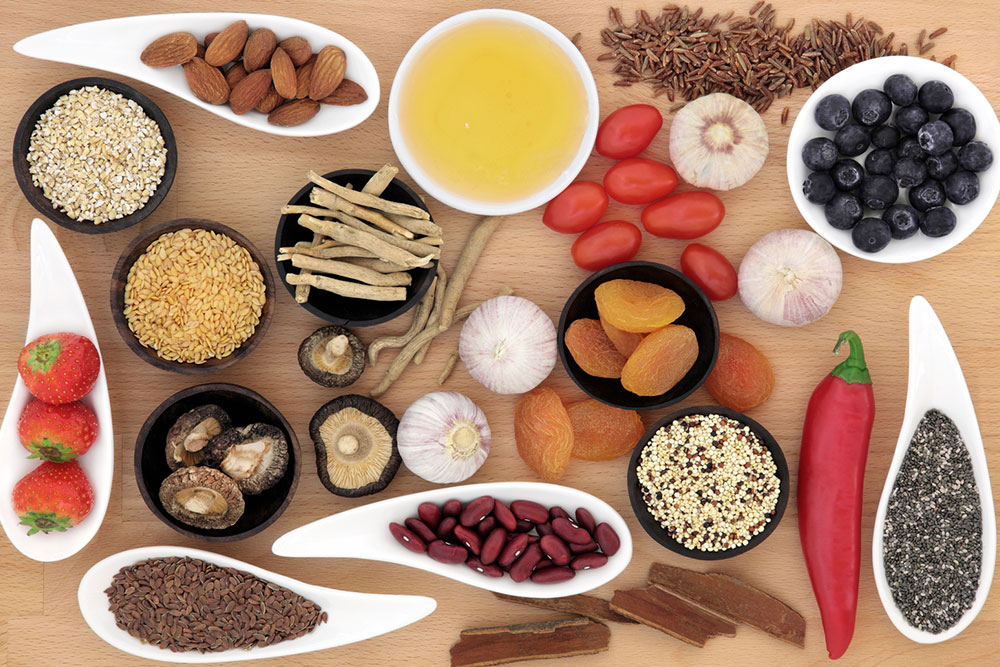
Anemia is a prevalent health condition that develops when the body does not have enough red blood cells or hemoglobin to carry sufficient oxygen to the tissues. A common cause of this condition is a deficiency of iron, which can cause issues such as weakness, fatigue, paleness, dizziness, and shortness of breath. Here, in addition to seeking treatment for these symptoms, making better food choices can help in managing anemia.
Nutrition and anemia
When dealing with anemia, it is crucial to choose foods rich in iron, as iron helps in the production of hemoglobin in red blood cells, thereby helping manage the condition. In addition to iron sources, one should opt for foods that help in the absorption of iron to maximize the benefits of this vital nutrient. Here, it is important for one to understand the difference between the two types of food-derived iron—heme iron and non-heme iron. Heme iron is commonly found in animal products, while non-heme iron is present in plant-based foods. Although both types contribute to increasing overall iron levels, optimizing each type’s absorption through a well-balanced meal plan is key to combating anemia and managing overall health.
Best foods
The following are a few common foods that one must consider adding to daily meals when dealing with anemia:
1. Fruits with vitamin C
Vitamin C is an essential nutrient for managing anemia, as it helps the body absorb iron. Some of the best sources of this vitamin are citrus fruits such as oranges, tangerines, and lemons. Additionally, tomatoes, kiwis, and strawberries are excellent vitamin C-rich options to add to daily meals. These fruits can be eaten as-is or in the form of juices to reap their benefits.
2. Iron-rich fruits
To increase the intake of iron, one can add certain fruits like apricots, watermelons, figs, and dates, among others, to their daily meals. Along with being healthy and rich sources of iron, these fruits are naturally delicious. So, they not only support overall health but also help in satisfying sweet cravings in a nutritious way.
3. Leafy greens
Leafy greens, such as spinach, collard greens, and kale, are rich sources of iron. Not just that, they are packed with various other nutrients that are vital for maintaining a healthy body. When dealing with anemia, one can try incorporating these leafy vegetables into their food plan by adding them to smoothies, salads, or soups. Additionally, beet greens are rich in iron and can be added to meals as a side dish.
4. Broccoli
In addition to leafy greens, other cruciferous vegetables, such as broccoli and Brussels sprouts, contain high amounts of iron. To incorporate these vegetables into the daily food regimen, one can add them to salads.
5. Beta-carotene sources
Beets and red peppers are rich sources of beta-carotene, which is another powerful compound that aids in the absorption of iron. Beta-carotene acts as a supportive force, ensuring that the iron from these vegetables is effectively absorbed by the body. Additionally, peppers are a rich source of vitamin C, which also helps the body absorb iron.
6. Dried fruits
Dried fruits such as raisins, dried apricots, and dried figs are packed with iron. This makes them a healthy option for managing anemia. Further, due to their natural sweetness, they serve as delightful snacks in between meals. So, one can easily incorporate dried fruits into their daily routine.
7. Nuts and seeds
Nuts such as almonds, cashews, and pistachios, and seeds such as pumpkin seeds and sunflower seeds, are excellent sources of iron. One can easily add nuts and seeds to their food plan, as they make the perfect crunchy evening snacks. Further, one can opt for nut butter instead of regular butter to make the most of the nutrients nuts offer.
8. Red meat and poultry
Red meats, such as beef and poultry meats, such as chicken, are rich sources of heme iron. So, when managing anemia, one can opt for these meats, as the body absorbs heme iron more easily than non-heme iron. However, one should balance red meats with leafy greens and poultry protein sources.
9. Fish
Fish varieties like salmon and tuna are also rich sources of heme iron and contribute notably to increasing blood iron levels. However, when trying to elevate iron levels, one should avoid canned sardines, as they also provide the body with calcium, which hinders the absorption of iron in the body.
10. Grains
Iron-rich grains, such as quinoa, whole wheat, rye, and oats, are great options to add to the food regimen when trying to manage anemia. To incorporate these grains into daily meals, one can opt for whole wheat bread, fortified cereals, and rye bread.
11. Beans and legumes
Beans and legumes, such as lentils, peas, and chickpeas, are excellent plant-based sources of iron. Moreover, they are powerhouses that provide various other nutrients to the body, such as protein and fiber, helping manage overall health
Additionally, one should limit dairy products, as they are rich sources of calcium that can bind to iron, interfering with the body’s ability to absorb iron. Further, while sugar intake should be monitored to manage overall health, opting for desserts made with natural sweeteners such as maple syrup and molasses can give the body an iron boost.