11 common basement waterproofing mistakes to avoid
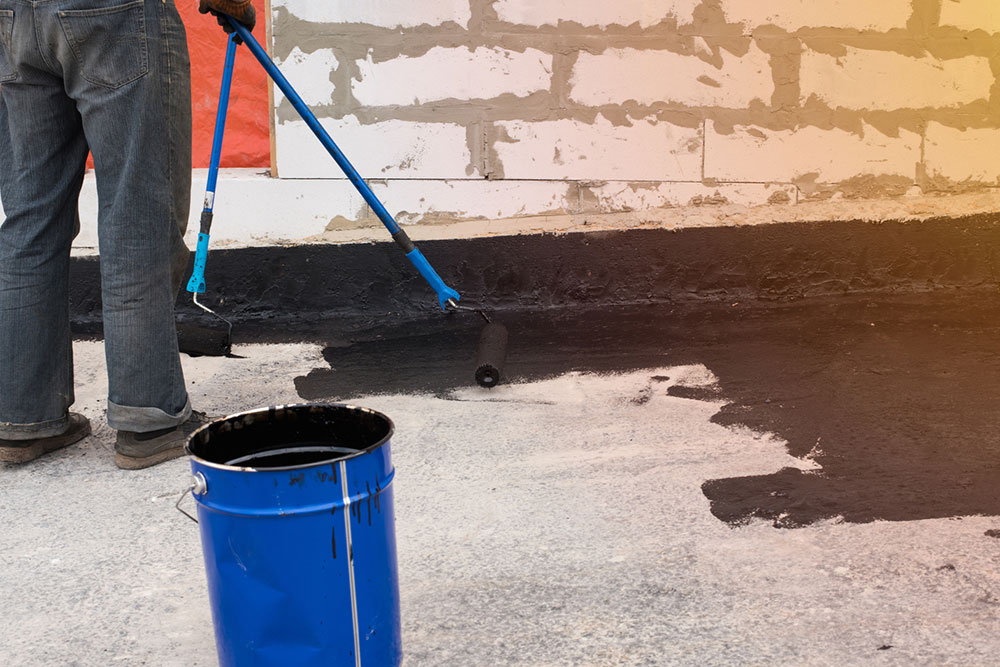
Almost every homeowner has faced water-caused destruction in their homes at one time or another. A good way to stop water damage is to waterproof areas like the basement. Unfortunately, this is not as easy as it sounds. A lot of people unknowingly make mistakes while waterproofing this place, which could be costly in the long run. Read on to learn about 11 such mistakes and how to avoid them.
Ignoring the early warning signs of leakages
When it comes to water damage, it is very important to catch the early warning signs. One should watch out for any unusual odors, dampness, or visible water stains in the basement. Recognizing these early can prevent excessive damage and mold growth and avoid expensive renovations in the future.
Overlooking external drainage issues
To keep the home and basement clean and moisture-free, homeowners also need to pay attention to their external drainage systems. Issues here, such as clogged gutters or downspouts, can increase the risk of water seepage and damage in the basement. One should regularly maintain the drainage systems so that the water is directed away from the home’s foundation.
Thinking waterproof paint is enough
While using waterproof paint is important in closed-off or humid locations like bathrooms and basements, it should not be the only barrier to prevent water from seeping in. One should look for leakage issues and nip them in the bud. This will help limit any bubbling, cracking, or chipping away of the paint. Individuals can consult or hire a professional to do this safely. Once done, homeowners can apply a layer of waterproofing agent or sealant to the walls and finish with waterproof paint.
Using the wrong products or techniques
The market has many waterproofing products, which makes finding the right one incredibly hard. Some products are ineffective and repeatedly increase waterproofing costs. So, one should speak to a professional to understand what to use for the home. In addition to picking the right waterproofing products, homeowners must pay attention to their application. Overlooking this can be dangerous. Individuals should prepare the surface well, follow the manufacturer’s instructions, and apply the right amount of product for a tight moisture lock.
Draining a flooded basement too fast
When the basement is flooded, it is natural to try and clear out the water as fast as possible. This, however, may not be the best plan of action. Why? Basement flooding is often a result of storm damage or the collapse of a large water body, which could be linked to high pressure. Removing the water quickly could cause this pressure to transfer into the basement, bringing another huge wave of water and flooding the area again. This can cause a lot of damage! To avoid this issue, one should avoid rushing into the task. Water removal should be a slow and gradual process.
Not giving the basement enough drying time
Even after all the water has been removed, there’s a lot to pay heed to. Before thinking about waterproofing again, one should give the basement ample time to dry completely. This can take a few days. Individuals can call a specialist to inspect the area before starting waterproofing. Skipping this step could weaken the home’s foundations.
Forgetting to check the soil around the foundation
Water often seeps into the house via the soil around the foundation. So, it is extremely important to keep an eye on the foundation during the construction process. To avert seepage, individuals should ensure the soil around the house slopes away from the home and fill in any depressions around this area.
Sealing cold joints
The basement’s walls and flooring usually have a few gaps. Contractors leave them intentionally to release any pressure. Many homeowners rush to fill these gaps up during DIY repairs, thinking it would prevent water or air from seeping in. One should not do this! Filling the gaps could compromise the integrity of the whole house and lead to a massive collapse.
Ignoring runoff locations
If a certain part of the basement always seems to keep leaking, inspecting further may be a good idea. The leakage could be due to a variety of reasons, both internal and external, such as clogged drain pipes, gutters, or even window drains. One should fix these problems at the source to avoid dealing with the issue recurrently.
Putting off waterproofing for later
Unfortunately, water damage can affect any home. Investing in waterproofing in a timely manner is crucial to staying safe and preventing any long-term problems. One should avoid putting off the job and instead act fast to prepare a stronger base for the home and reduce the risk of damage.
Having poor ventilation
Lastly, many homeowners forget to consider ventilation and dehumidification of the basement. This could not only lead to moisture buildup in the area but also contribute to mold growth. To avoid trouble, one should take ventilation into account during waterproofing. Adding a quality dehumidifier here may help. If the basement has windows, one should keep them shut to stop moisture from entering.
Avoiding these eleven common errors can help protect the basement from water damage and improve the home’s structural integrity.