11 Foods That Can Surprisingly Raise Blood Sugar
Maintaining steady blood sugar levels is critical for people with diabetes, but it can often be challenging. Patients are required to track what they eat, as certain foods can spike blood sugar, leading to health complications. To reduce the potential blood sugar swings, doctors recommended foods with a low glycemic index and foods high in fiber, protein, and healthy fats. This post discusses 12 foods that surprisingly spike blood sugar levels and should be avoided.
Bananas
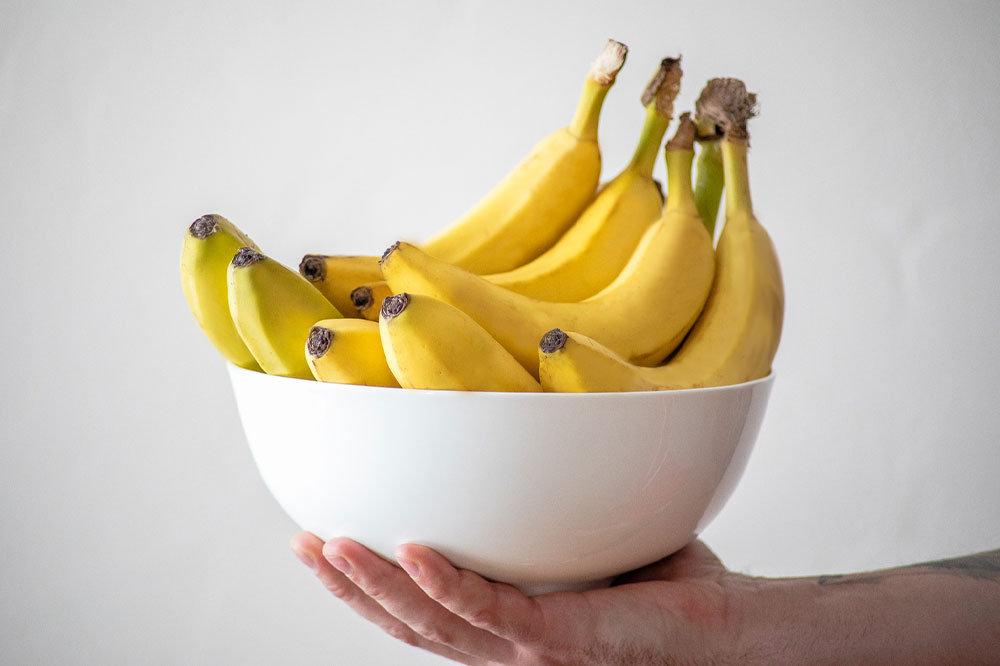
Fruits are rich in vitamins and minerals, but specific options like bananas are best avoided. Bananas adversely affect blood sugar levels as they contain simple carbs and have a high glycemic index. To ensure blood glucose readings do not rise drastically, one should consider the ripeness of the fruit before eating. Green or unripe bananas usually have less sugar than yellow or ripe bananas.
Oatmeal
If one cannot do without oatmeal for breakfast, they should consider varieties that take a while to digest. Instant or processed oats often contain added sugars and are digested quickly, raising blood sugar levels. On the other hand, minimally processed oats metabolize slowly. Rolled or steel-cut oats are suitable for people with diabetes.
Grapes
Grapes are a great source of antioxidants but can be problematic for those with diabetes. While all fruits contain a natural sugar called fructose, grapes have the highest levels. Unsurprisingly, even a handful of this berry can rapidly raise blood sugar. So, to keep blood glucose stable, it would be wise to ditch grapes and include strawberries, raspberries, or blackberries in the meals.
Fruit juices
Fresh fruit juices are nutritious and have many health benefits, but those with diabetes should avoid them to keep their blood sugar under control. Fruit juices lack fiber and contain a large amount of fructose. A glass of fruit juice might be refreshing but is digested quickly, resulting in glucose accumulation in the bloodstream. Drinking fruit juices regularly also increases the risk of type 2 diabetes in those who do not have the condition.
Dried fruits
Raisins, cranberries, and other dried fruits are high in carbohydrates due to their drying process. Some also contain added sugar and have high glycemic value. Such dried fruits can increase blood sugar levels. As a result, doctors sometimes recommend raisins, cranberries, and dried apricots for treating low blood sugar.
Coffee
Coffee can make a person’s blood sugar soar as it contains caffeine. Adding extra sugar or creamer to the beverage makes matters worse by impairing insulin sensitivity in people with type 2 diabetes. These days, various flavored coffee drinks are also available, which are loaded with carbs, raising blood sugar levels significantly. One should try decaffeinated coffee while skipping the sweeteners to avoid putting their blood glucose at risk.
Full-fat dairy
Full-fat dairy products, such as cream, yogurt, ice cream, and cheese, have a lot of saturated fats that can worsen insulin resistance. They also have high calories and carbs in the form of lactose, which negatively impact blood sugar. As a result, experts recommend switching to unsweetened milk alternatives like almond and soy milk to lower blood sugar.
Potatoes
Potatoes have a high glycemic load and can raise blood sugar quickly. The carbs in them are broken down into simple sugars that move into the bloodstream, raising blood glucose. One way to manage this effect is to cook potatoes with a leafy vegetable or make a chilled potato salad.
Sauces and condiments
Sauces and condiments boost flavor and make food more appetizing. But unfortunately, many diabetics do not realize that the ingredients in them can do more harm than good. Sauces like ketchup, teriyaki sauce, barbeque sauce, and salad dressings contain hidden sources of sugar, which can drive up blood glucose levels. So, before buying sauces and condiments, one should scan the labels for high fructose corn syrup, dextrose, molasses, or malt syrup.
White rice
White rice is low in fiber, high in carbs, and has a high glycemic index. So, eating it regularly can increase blood sugar and insulin levels. The high amounts of starch also make white rice an unsuitable food for diabetics. To manage diabetes in the long term, one should cook white rice in a starch-free way by boiling it and draining maximum water. Alternatively, patients can switch to brown rice, which is rich in nutrients and healthier than white rice.
White bread
White bread is full of processed carbs that increase blood sugar levels by getting digested quickly. It is best to pick high-fiber varieties when choosing bread, as fiber metabolizes slowly and does not contribute to blood sugar spikes. But for better results, experts recommend avoiding any kind of white bread and selecting whole-grain bread, multigrain bread, or sprouted bread instead.
While individuals can regulate their blood glucose levels with healthy nutrition and lifestyle changes, they should consult a doctor before changing their meal plan to avoid complications.
Other things that can raise blood sugar
Apart from these 11 foods, blood sugar spikes can also be a result of lack of sleep, dehydration, stress, jet lag, or even something like chewing mint gum. Getting 7-9 hours of sleep per day, staying hydrated, practicing relaxation techniques such as yoga or meditation, and switching to sugarless chewing gum can help with keeping blood sugar levels in check.
What are the signs of high blood sugar?
The symptoms of high blood glucose usually develop over a few days or weeks. Sometimes, the signs may not develop until the levels reach very high. A few signs that indicate a spike in blood sugar levels are excess thirst, dry mouth, frequent urination, fatigue, blurred vision, and recurrent infections. Those who experience these signs should visit a doctor and get a complete check-up to determine the cause.
If left untreated, diabetes can lead to life-threatening complications, including kidney failure, heart attack, and stroke. Chronic kidney disease (CKD) is also a common consequence. It is a disorder that affects the kidneys’ ability to filter blood. As a result, waste and toxins accumulate in the bloodstream, leading to further complications. Lifestyle changes and healthy food habits are the best ways to prevent CKD and type 2 diabetes.