11 foods that may worsen COPD symptoms
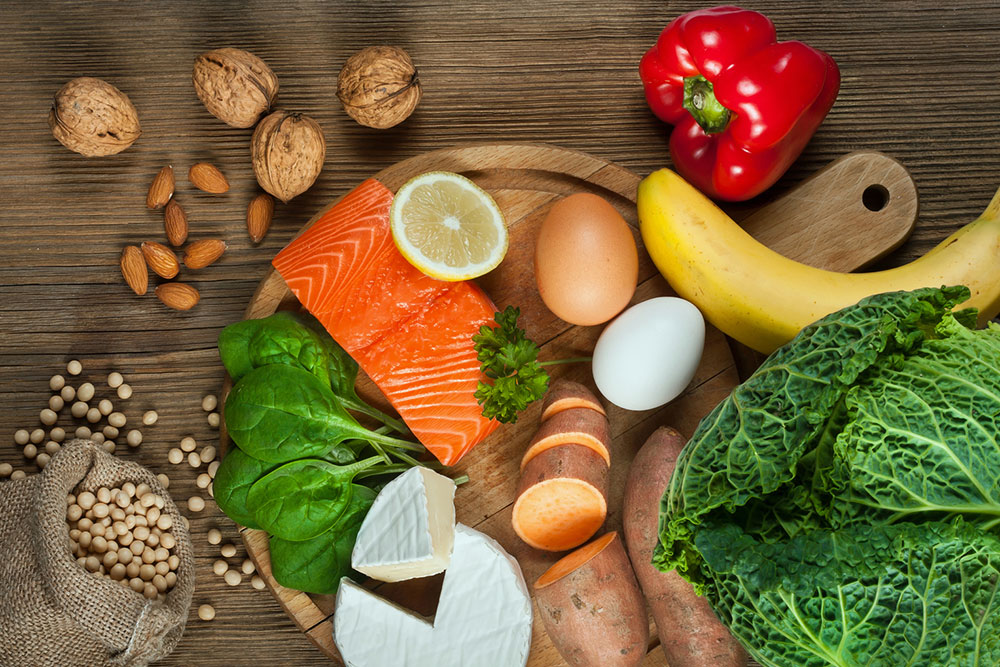
COPD, or chronic obstructive pulmonary disease, is a group of conditions that affect the lungs. Emphysema or chronic bronchitis are two of the most common forms of COPD. While it has no absolute cure, certain treatment options can help relieve the symptoms. One of the ways to manage and improve respiratory health is to monitor what one eats and recognize foods that can worsen COPD symptoms. So, here are a few foods to avoid:
Sugary foods
Foods rich in refined sugar, like baked goods, cookies, candies, sweet rolls, pies, and cobblers, can increase blood sugar levels and bloating. Furthermore, these foods can cause frequent energy crashes, making one feel fatigued. All of these factors can worsen COPD symptoms like wheezing, coughing, and breathlessness.
Salty foods
Frozen foods, salted nuts, and takeout meals may have a high amount of salt (sodium). Excessive sodium can make the body retain fluids. For those with COPD, this means an elevated risk of pulmonary hypertension or high blood pressure in the arteries of the lungs. These issues can lead to other COPD complications as well. So, it is important to monitor daily salt intake by checking food labels and choosing foods with low sodium.
Processed meat
Cured or processed meat has been associated with several health issues, including the worsening of COPD symptoms. The reason for this is the presence of high amounts of nitrites and sodium used to preserve the meat. However, these preservatives can end up damaging the lung tissues if processed meat is eaten regularly over a long period. In addition, the high amounts of sodium help retain the flavor of the meat while also causing fluid retention in the body. Both of these factors can aggravate COPD symptoms. So, one must avoid processed meats like sausages, bacon, hot dogs, lunch meats, prosciutto, salami, chorizo, and pepperoni.
Caffeinated beverages
Tea, coffee, energy drinks, and other caffeinated beverages can trigger symptoms of gastroesophageal reflux disease (or GERD), a condition associated with acid reflux or heartburn. For those with COPD, the stomach acid may get in the lungs while backing up to the esophagus. This can lead to aspiration, which causes lung tissue damage, severe wheezing, and coughing. It can also increase the risk of lung infection and pneumonia. So, one should avoid caffeinated beverages when dealing with COPD. Alternatively, one can opt for herbal teas or green tea, which come with the added benefit of being rich sources of antioxidants.
Dairy products
COPD often leads to excessive production of phlegm in the respiratory tract. The high phlegm production can worsen with the intake of dairy products. So, those with COPD should consider limiting or avoiding dairy-based products like butter, cheese, ice cream, and yogurt. One can opt for dairy-free milk alternatives such as almond milk, coconut milk, or oat milk.
Fried foods
Often the go-to snacks, fried foods are perhaps one of the worst foods for COPD management. Here, snacks such as french fries, fried chicken, and donuts have high amounts of unhealthy saturated fats. These fats take a long time to digest and end up causing digestive issues like bloating, indigestion, and gas, which make it more difficult to breathe when one has a respiratory condition. A healthier alternative to fried foods is baked or air-fried versions of these snacks.
Cruciferous vegetables
Some of the most well-known cruciferous vegetables, such as broccoli, cabbage, brussels sprouts, cauliflower, kale, bok choy, arugula, turnip, and radish, are packed with essential nutrients. They are rich sources of B vitamins, fiber, antioxidants, and minerals. But these vegetables can also produce a huge amount of gas and lead to bloating, which can worsen COPD symptoms. Due to their high nutrient density, avoiding these vegetables is usually not recommended. So, one can eat these vegetables in moderation or add them to meals in smaller quantities.
Chocolate
This is another food that can cause acid reflux, leading to aggravation of COPD symptoms. The acid reflux develops due to the presence of theobromine. This compound causes the lower esophagus to relax. As a result, acid easily backs up in the esophageal tube. Further, the high-fat content in most chocolates can increase the production of stomach acid, inducing heartburn. This can lead to a lot of discomfort and breathlessness in those with COPD.
White bread and pasta
These foods are made from refined flour, which is a source of simple carbohydrates. Not only do they provide lesser nutrients, but they also increase blood sugar levels. Moreover, foods containing simple carbohydrates do not make one feel satiated for long enough, leading to frequent cravings for sugary or salty foods, which then trigger COPD symptoms. One can instead choose foods made with whole grains, which are rich sources of complex carbohydrates.
Fruits with polyols
Fruits such as apples, apricots, peaches, and melons are known to cause bloating and gas due to compounds called polyols that may not work well with the gut bacteria. For those with COPD, such fruits could aggravate breathlessness and wheezing. So, when dealing with the condition, one should limit the intake of these fruits. However, instead of completely eliminating them, one can monitor the after-effects of these fruits one at a time. Whichever worsens the symptoms can be completely avoided.
Carbonated beverages
Those with COPD should avoid sodas, seltzers, and other carbonated beverages. These beverages are rich in carbon dioxide, which, when ingested, can cause gas and bloating in the abdomen, making it difficult to breathe. This happens because, over time, COPD can make the lungs trap more air and take up the limited space occupied by the chest and the stomach cavities. This makes one more prone to bloating, especially when drinking carbonated beverages.
Before making drastic changes to daily meals, one should consult a doctor or a registered nutritionist to avoid nutrient deficiencies.