11 Superfoods That Help Manage Kidney Disease
The kidneys play a key role in the body by filtering waste and excess fluid from the blood. Additionally, they control the production of red blood cells, make vitamins that control growth, and release hormones that regulate blood pressure. These vital functions can be affected by conditions like kidney cysts, stones, chronic kidney disease, and acute kidney injury. Although food cannot cure these conditions, certain superfoods can help manage kidney disease better.
Top superfoods
Food restrictions may vary, but people with kidney disease are often asked to limit their intake of sodium, potassium, and phosphorus. Damaged kidneys cannot effectively filter sodium, causing a spike in sodium levels. Experts recommend limiting its intake to less than 2,000 mg per day. Similarly, there is a risk of high potassium levels in the blood when dealing with kidney issues. Experts recommend restricting potassium intake to 2,000 mg per day. Further, impaired functioning of the kidneys may also impede phosphorus filtration in the kidneys. Elevated levels of phosphorus can damage other organs, too, so one should limit their intake to less than 800–1,000 mg per day.
Here are a few superfoods low in sodium, potassium, and phosphorus one can add to their meals when dealing with kidney disease:
Cabbage
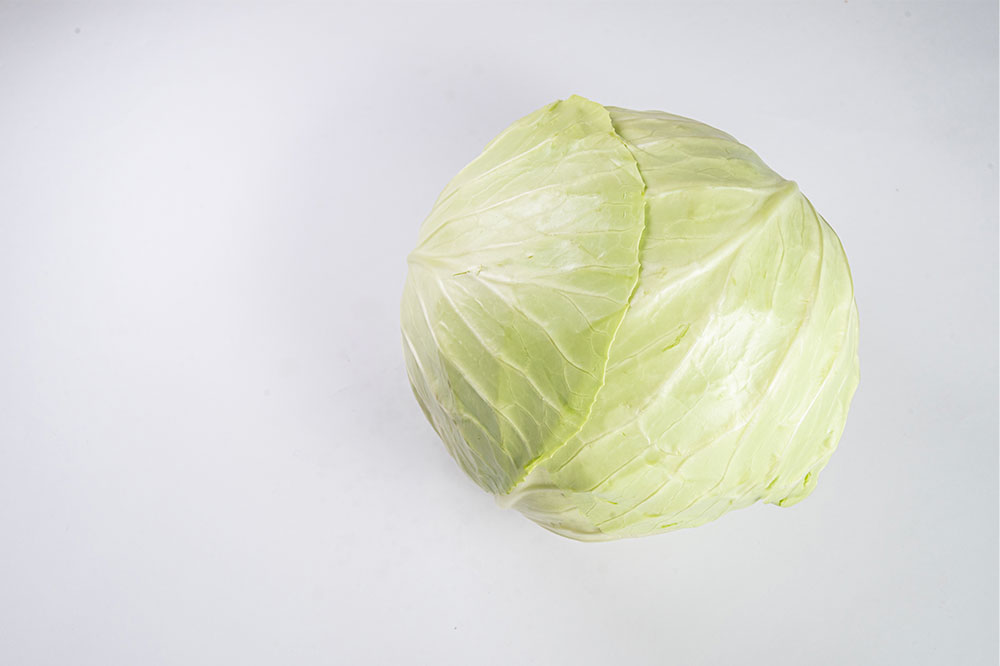
Cabbage is a rich source of vitamin K, vitamin C, vitamin B6, folic acid, and fiber. It is also loaded with phytochemicals, which can break up free radicals to reduce oxidative stress on the body. The phytochemicals can also help protect against cancer and other diseases. Cabbage is a cheap and easily available cruciferous vegetable that is also low in sodium, potassium, and phosphorus. It can be incorporated into daily meals in the form of a salad or as appetizers such as cabbage rolls or wraps.
Pomegranate
Pomegranates are rich in antioxidants, fiber, folate, and vitamins K, E, and B6. They contain three times the antioxidants in green tea, making them an excellent addition to the daily meal plan for managing kidney disease. However, the fruit is also rich in potassium and must be added in limited quantities.
Red peppers
Red bell peppers contain a burst of flavor, along with nutrients like vitamins C, E, and B6, folic acid, and fiber, which can help reduce inflammation and help one manage kidney disease. They also contain lycopene, an antioxidant that can protect against certain forms of cancer. A half-cup serving of red bell peppers contains 1 mg sodium, 88 mg potassium, and 10 mg phosphorus, making it one of the best superfoods to manage kidney disease. They can be chopped and served raw with a dip, as a part of a salad, or on the side with a portion of chicken or fish.
Cauliflower
Cauliflower is a rich source of vitamin C, folate, and fiber. It is also packed with antioxidants like indoles, glucosinolates, and thiocyanates, that help with liver function. A half-cup serving of cauliflower contains only 9 mg sodium, 88 mg potassium, and 20 mg phosphorus, making it a kidney-healthy superfood. What’s exciting about cauliflower is that it can be added to meals in a variety of ways—boiled and seasoned with herbs and spices, baked, or mashed to make cauliflower rice.
Avocado
Avocados are nutrient-dense fruits but contain just 4 mg sodium, 27 mg phosphorus, and 250 mg potassium per serving (1/3rd of a whole avocado). They are low in carbohydrates and a rich source of healthy fats that can help lower bad cholesterol and control inflammation to reduce symptoms of kidney disease. Avocados are also a healthy source of fiber to boost gut health and keep blood sugar under control. They can be served as is or blended into a green smoothie. One should consult a doctor about safely incorporating avocados into meal plans.
Blueberries
Blueberries are packed with vitamin C, manganese, fiber, and anthocyanins. Anthocyanins are antioxidants that give a blue color to these berries and help fight inflammation in the body. Not only can blueberries help manage the symptoms of kidney disease better, but they may also help slow down aging and bone loss. One can have them fresh or frozen or add them to a smoothie or a granola bowl.
Egg whites
Egg whites are one of the healthiest sources of protein. They contain less phosphorus than other protein sources, such as egg yolks or meats, making them ideal for those with kidney disease. One can have powdered, fresh, or pasteurized egg whites.
Garlic
Garlic’s active ingredient, allicin, has antimicrobial properties that can protect the teeth against plaque formation, lower cholesterol levels, and reduce inflammation to manage infection and diseases better. This fresh and flavorful herb is low in sodium, phosphorus, and potassium, making it a delicious seasoning option. Ideally, one should have garlic within one hour of chopping it to reap the benefits of its active chemical compounds.
Fish
Fatty fish such as salmon, striped bass, herring, mackerel, and rainbow trout are great sources of protein and omega-3 fatty acids. The nutrients can help the body reduce symptoms of kidney disease and fight against inflammation, bad cholesterol, heart disease, and cancer. Experts recommend eating fish at least twice a week.
Broccoli
Broccoli is another cruciferous vegetable that is a rich source of antioxidants, vitamins C and B6, iron, and magnesium. These nutrients help reduce inflammation, control blood sugar, boost immunity, and promote heart health. However, the veggie contains a considerable amount of potassium (316 mg per 100 grams).
Red grapes
Red grapes are a great source of antioxidants called flavonoids, which help prevent oxidative damage, fight cancer, and reduce inflammation and the formation of blood clots. One of the flavonoids in red grapes, resveratrol, has also been associated with stimulating the production of nitric oxide to improve blood flow in the body. When on a dialysis meal plan, red grapes can be a great snack to quench thirst. They are also a tasty and healthy addition to salads and other recipes.
One should talk to a healthcare practitioner to build a personalized meal plan based on individual nutritional requirements.