11 Superfoods to Reduce Cholesterol Levels
The human body requires cholesterol to process hormones, Vitamin D, and digestion. But letting it accumulate in the body can lead to clogged arteries and health issues like heart attack. High blood pressure, diabetes, chest pain, or experiencing pain while walking are signs that show one’s cholesterol levels are too high. One way to maintain healthy cholesterol levels is to eat nutrient-rich food. Here are some superfoods for maintaining a healthy cholesterol level.
Types of cholesterol
There are mainly two types of cholesterol; LDL and HDL. LDL (low-density lipoprotein) is considered “bad” cholesterol since it clogs the blood vessels with plaque. The HDL (high-density lipoprotein), on the other hand, or the “good” cholesterol, helps carry and eliminate the LDL and regulate bodily functions. One way to ensure the bloodstream has lower levels of harmful LDL is to eat the right foods. Besides food, age can be another factor that can increase one’s cholesterol levels. With age, metabolism slows down, which can impact one’s processing of nutrients. Similarly, a family history of high blood cholesterol can also make one vulnerable to developing the condition.
Superfoods to eat to lower cholesterol
Oats
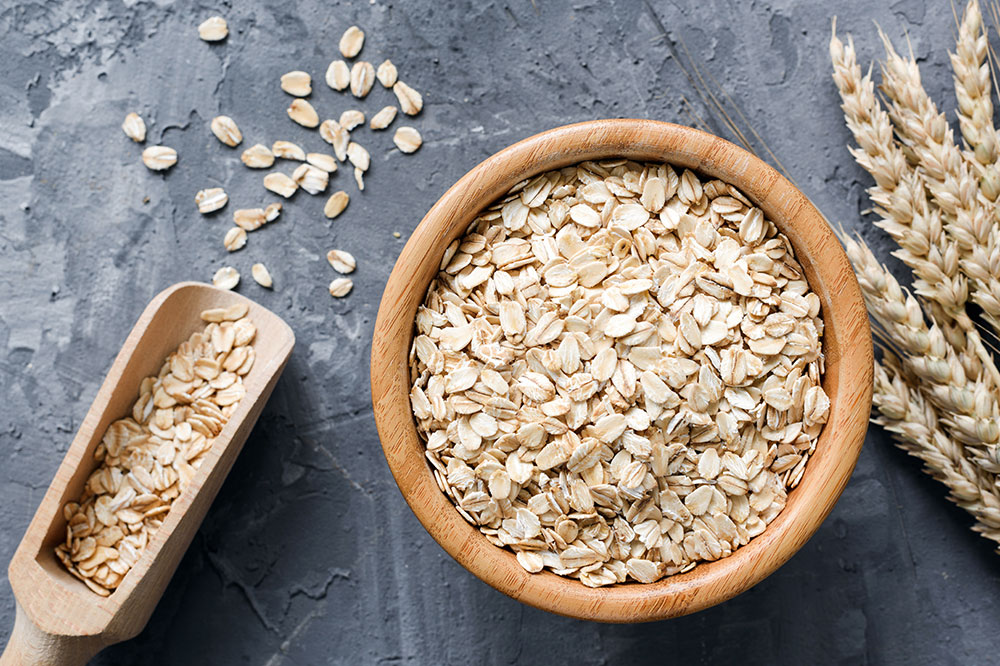
Being one of the powerhouses of soluble fiber, oats are an excellent breakfast option for those with high cholesterol. Soluble fiber helps to remove cholesterol from the body before it can get absorbed into the bloodstream. Oats are a healthier option than cereals since the latter contains sugar content and artificial flavor. A daily intake of about 10 grams of soluble fiber can reduce LDL levels. A bowl of overnight-soaked oats containing about 4 grams of fiber can also keep one feeling full for longer and avoid overeating. Adding bananas, apples, berries, and other choices of fruits can add to the fiber content. On the other hand, natural sweeteners like honey and dates can make it a delicious and healthy breakfast meal.
Legumes and beans
Plant-based legumes like peas, beans, and lentils are a rich source of fiber and protein. These foods are low in calories, making them a healthier alternative to processed foods. Including pulses in one’s daily intake can provide essential nutrients and lower the risk of developing heart disease. Similarly, beans like kidney beans, black-eyed peas, and more are relatively harder to digest, ensuring one can feel full for a long time and avoid overeating. Since these are versatile foods, they can be adapted to make various dishes, from soups and hummus to falafel.
Kale and spinach
Kale and spinach are dark leafy vegetables that are good for one’s heart. These antioxidant-rich foods strengthen one’s immune system, decrease the risk of heart disease, and help the body to bind bile acids and eliminate cholesterol.
Avocados
Nutrient-rich avocados contain monounsaturated fats and fiber, raising HDL levels and lowering LDL cholesterol. To derive the maximum health benefits from these fruits, avocados are best consumed in their natural state in salads, toasts, or sandwiches rather than in dishes like guacamole, which is sometimes served with high-fat chips or pasta made of all-purpose flour.
Barley
Like oats, barley is a whole grain high in soluble fiber and includes beta-glucans, which reduce LDL cholesterol. It is linked to a decreased risk of stroke and heart disease.
Eggplant and okra
These two vegetables are low in calories and high in fiber and antioxidants, making them ideal for those suffering from high cholesterol. In addition, they contain pectin, a soluble fiber that cuts down LDL cholesterol.
Fruits
Apart from eggplant and okra, fruits like apples, grapes, and oranges contain pectin. Similarly, berries increase good HDL levels in the body, and since they are rich in antioxidants, they also support heart health.
Nuts and seeds
Almonds, walnuts, cashews, peanuts, flaxseeds, hazelnuts, and pecans are loaded with nutrients, including vitamin E, calcium, protein, omega-3 fatty acids, magnesium, and potassium, which are linked to regulating blood pressure and lowering the risk of heart diseases. They also contain specific plant components that prevent the intestines from absorbing cholesterol.
Soy
Tofu, soy milk, and soybeans are other good protein-rich options for those with high cholesterol. Studies show that consuming 25 grams of these protein sources can lower LDL cholesterol by up to 6%.
Fatty fish
Fatty fish like salmon, mackerel, tuna, trout, and herring are a rich source of omega-3 fatty acids. These reduce bad cholesterol in one’s bloodstream, lower inflammation, reduce blood pressure, and prevent blood pressure clots.
Dark chocolate and cocoa
Unsweetened dark chocolate contains cocoa known to control blood pressure levels and lower cholesterol. Therefore, it’s best to limit the consumption of sugary chocolates since they are high in calories and fats.
Foods to avoid for cholesterol
Certain foods also hike cholesterol levels. For example, deep-fried foods like fries, meatballs, and fast food, including burgers and pizzas, are best avoided since they contain trans fats and may give rise to health issues, including high cholesterol, more belly fat, and diabetes if eaten for a long time. Similarly, sausages, hot dogs, bacon, processed meat, baked sweets, and desserts contain few essential nutrients. Eating these foods can hike LDL levels. Avoid these or eat them in limited quantities to control cholesterol levels.
Apart from limiting these foods, another effective and healthy way to lower cholesterol is to involve in regular physical activity. This can be through energetic exercises, including cardio and aerobic, or low-impact movements like yoga, walking, biking, or swimming. This can melt the excess fat and reduce the risk of heart disease, stroke, and diabetes. Moreover, one must develop healthy habits such as taking the stairs instead of the elevator, practicing mindfulness, and being cautious of their calorie intake. Also, getting a sound sleep of at least 7 hours every night benefits your body and mind.