12 common mistakes people make when using a foot massager
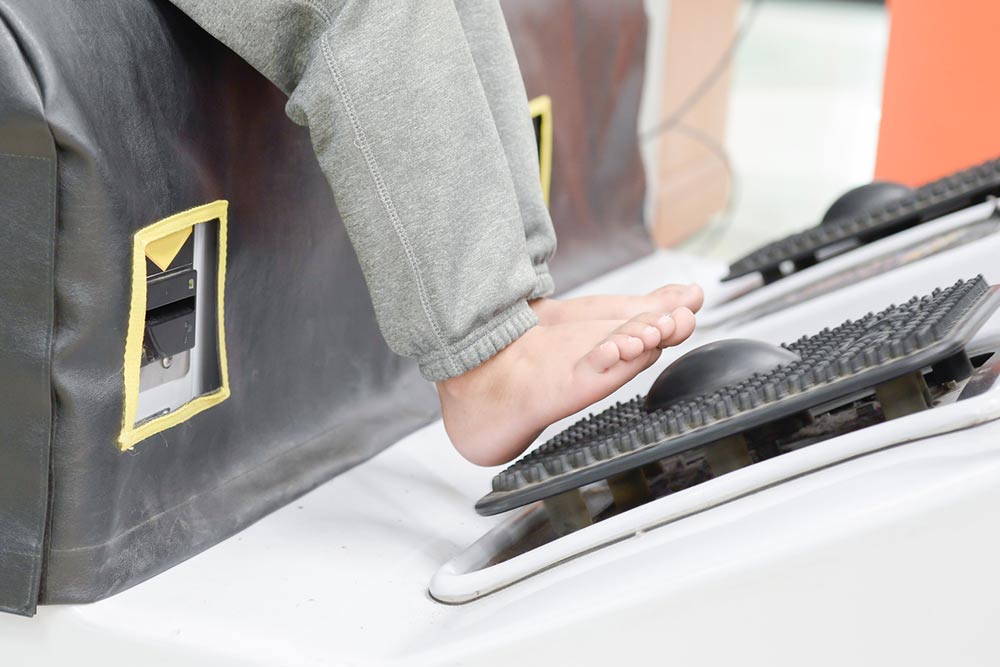
The feet have many pressure points connected to different body parts. So, a foot massage benefits not only the feet but also the body and mind. But, getting a foot massage from a professional may not always be possible. Buying a foot massager can help one receive a relaxing foot massage at home without needing a professional. But one needs to avoid certain common mistakes while using a foot massager:
Forgetting to adjust the speed
Electric foot massagers come with multiple speed controls, which can be adjusted to tailor the intensity of the massage to one’s liking. However, many individuals overlook these settings and settle for a speed that is generally suitable for them. To fully reap the benefits of a foot massager, it is recommended to take the time to explore all of the speed controls and their varying intensities.
Not setting up the massager beforehand
One should remember to set up a foot massager properly before using it each time. A foot massager needs a steady, flat surface and a comfortable chair. One should then place their feet in a relaxed position before starting the massage.
Directly starting with high-intensity
It’s important to give the feet time to adjust to a massager. Starting at a high intensity can be a shock to the muscles. Therefore, it’s recommended to begin with low intensity and gradually increase the intensity as the feet become more accustomed to the massager.
Extending the massage’s duration
Electric massagers can feel highly relaxing, but extending the massage’s duration or using the massager excessively can cause injuries or muscle soreness. Initially, one should not use an electric massager beyond 10-15 minutes. This duration may be somewhat extended as one gets used to it. In general, shorter massage sessions are more effective.
Massaging one part of the foot more
During a foot massage session, it is common to experience muscle soreness or tension in one particular area of the foot more than others. However, it is important to ensure that the entire foot is massaged equally to achieve complete relaxation by the end of the session. Instead of solely focusing on the tense area, it is advisable to adjust the speed and intensity controls of the massage device to provide a consistent and even massage to the entire foot. This will help to alleviate muscle tension and promote overall foot health and relaxation.
Applying immense pressure
Applying too much pressure on the feet may lead to soreness and sometimes even injure the feet. While adjusting the massager’s speed and intensity is good, the pressure exerted should only be as much as required on a particular part of the foot. If no specific part of the foot requires more attention, one should follow a uniform speed and intensity for all parts of the foot.
Not knowing the purpose of each attachment
It is important to understand the various attachments that come with foot massagers, as each attachment serves a specific purpose. To fully benefit from a foot massager, learning about these attachments, how they function, and the body parts or purposes they are designed for is advisable. For instance, a ball-shaped attachment is ideal for massaging larger foot muscles, such as the soles, whereas bullet heads are intended for trigger points. One can enjoy a soothing and effective foot massage by familiarizing oneself with these attachments and their usage.
Failing to research various foot massagers
Brand and product research is necessary when selecting a foot massager because multiple options are available. Some brands may offer massagers with many more attachments and features than others. Also, certain massagers may suit one better, depending on one’s specific requirements. Consequently, buying the first-foot massager one finds online may not be the best idea.
Not cleaning the foot massager properly
Foot massagers come in close contact with the feet, so one should clean them properly after every use to ensure hygiene. Dipping a soft cloth or cotton swab in a gentle solution and cleaning the foot massager can remove dust particles. However, abrasive products should always be avoided. One should always unplug the foot massager before cleaning it and dry it thoroughly before the next massage session.
Not relaxing the feet after the massage
Walking about immediately after a foot massage deprives one of its benefits. The feet need some breathing space after a good massage, so one should spare some time to rest one’s feet once they are done with a foot massage.
Being erratic with massage sessions
Regular foot massage sessions are important for one to reap the maximum benefits of the massages. It helps to set up a schedule for foot massages, devoting some time at least thrice a week for foot massage sessions and more if needed. The more regular one is, the more effective the foot massage will likely be.
Not consulting a healthcare professional
Even if one uses a foot massager independently, a healthcare professional can provide better guidance, particularly if one has certain health conditions. So, consulting a professional before using a foot massager is always a good idea.
It can be quite beneficial for individuals who cannot frequently get professional massages to use foot massagers. To fully reap the rewards, it is important to understand how to properly use them and conduct thorough research before purchasing.