12 everyday foods to relieve a stuffy nose
A stuffy nose or nasal congestion is generally caused by inflamed blood vessels or mucus in the sinuses because of allergies, colds, or flu. It affects normal breathing, leads to appetite loss, and makes it difficult to perform routine activities. While a stuffy nose typically goes away in a couple of days, one may require some home remedies to manage the discomfort. Here are certain foods to have that give relief from a stuffy nose.
Chicken soup
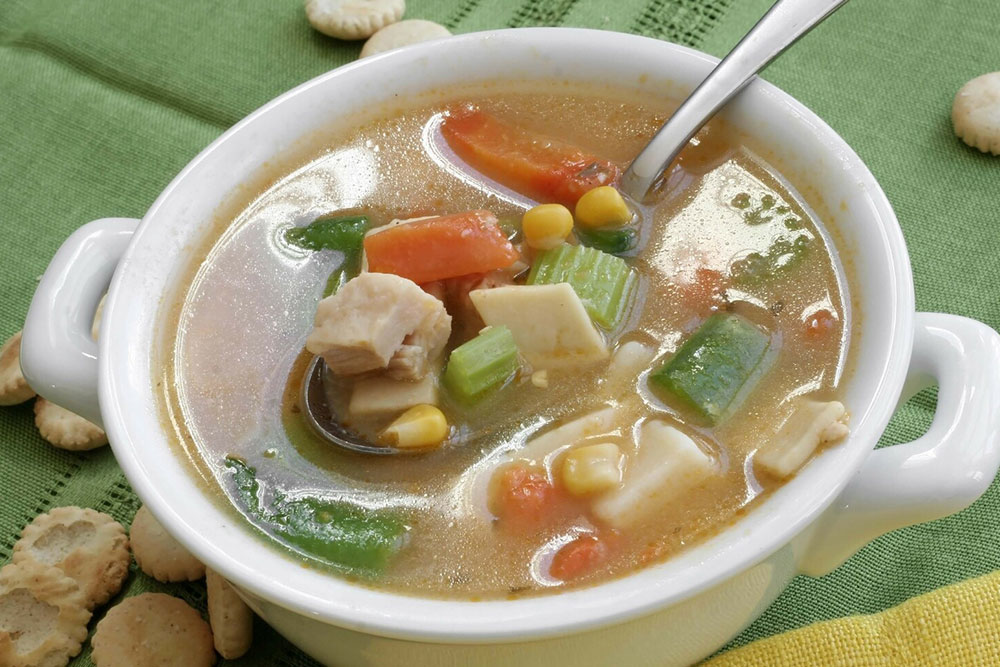
Packed with nutrients and flavors, chicken soup is good for getting relief from discomfort caused by a stuffy nose. It contains lots of vitamins, minerals, calories, and protein, that are required by the body while recovering from an illness. Also, the chicken in the soup is a good source of amino acid cysteine, which has antiviral and anti-inflammatory properties. It breaks down the mucus in the nasal passage opening up the sinuses. Moreover, chicken soup is enriched with electrolytes, which keeps the body hydrated, quickening the process of recovery.
Broths
Similar to chicken soup, broths are also effective in relieving a stuffy nose. They are good sources of electrolytes and fluids that can help in soothing the inflamed nasal membranes. Drinking warm broth made from either vegetables or meat is often recommended to alleviate the discomfort caused by a stuffy nose. Rich in flavor, broths are easier to have as well since a stuffy nose often makes a person lose their appetite.
Garlic
Garlic has several health benefits, which makes it an effective remedy to manage many health conditions. It has antifungal, antibacterial, and antiviral properties. Moreover, it helps to improve the function of the immune system. Therefore, adding garlic to one’s meal prep can not only add some intense flavors but some essential nutrients as well. This can help in recovering from a stuffy nose, especially if it is caused by allergies or infection.
Ginger
Known for its fragrant flavor, ginger is a popular spice that can elevate any meal to the next level. Along with the rich flavors, ginger also has several remedial properties that can decongest the nasal passage blocked by a stuffy nose. It has antibacterial and anti-inflammatory properties. Simply having ginger tea mixed with honey can give relief from discomfort and make it easier to breathe. In addition, ginger can be added to soups, broths, stews, and stir-fries to get the best health benefits.
Coconut water
Nasal congestion often requires a person to stay hydrated. Having enough liquids helps in keeping the nasal membranes moist, which drains out the mucus more easily. This gives immense relief from a stuffy nose. One of the good ways to stay hydrated is to drink coconut water. It has tons of electrolytes that not only keep the body hydrated but also aid the immune system. Moreover, it helps to regulate the body temperature, especially if a stuffy nose is causing fever-like symptoms.
Tea
The warm steam from a cup of hot tea is what makes it one of the most comforting beverages to have in the case of a stuffy nose. Breathing in the steam can help to move the mucus out from the nasal passage. In addition, the polyphenols in tea have anti-inflammatory properties. This helps to soothe the inflamed sinuses and alleviate the symptoms of nasal congestion. Some of the best teas to have for a stuffy nose are: green tea, lemon honey tea, ginger tea, chamomile tea, peppermint tea, turmeric tea, and licorice root tea.
Honey
A stuffy nose can often cause postnasal drip. As a result, the sinuses start to drain into the throat. This causes pain, inflammation, and itchiness in the throat. In such cases, honey can be an effective remedy to soothe the soreness in the throat. Moreover, it has several properties that can help in dealing with infections that might be causing the stuffy nose. One can simply drizzle honey over tea, hot water, or morning oatmeal to take advantage of its soothing effect.
Chili peppers
Chili peppers get their spicy flavor from a compound known as capsaicin. This compound releases heat, which loosens the mucus formed due to a stuffy nose. As a result, the mucus drains out, easily unblocking the sinuses. This gives relief from congestion, headache, pain, and discomfort. Chili peppers can be added to dips, stews, curries, stir-fires, and soups to enhance the flavor as well as spiciness.
Horseradish
Another spicy everyday food to relieve a stuffy nose is horseradish. This root is commonly used as a condiment to add some spiciness to meal preps. Similar to chili peppers, horseradish also contains significant amounts of capsaicin. This helps in clearing out the congestion and making the mucus flow, flushing out germs, dust, and allergens from the nasal passage.
Citrus fruits
Citrus fruits are one of the richest sources of vitamin C. This nutrient aids the immune system to fight off allergy-causing substances and pathogens. Moreover, citrus fruits have antioxidant properties that support the body in building white blood cells, which helps in lowering inflammation and irritation in the nasal passage. So eating citrus fruits such as lemons, limes, oranges, grapefruits, and pomelo may be helpful when one has nasal congestion.
Oatmeal
While oatmeal isn’t very flavorful, it help one maintain one’s energy levels. This is especially important since a stuffy nose can also cause fatigue. Oatmeal is packed with essential nutrients such as soluble fiber, carbohydrates, B vitamins, magnesium, and biotin, helping one recover quickly from the symptoms of nasal congestion.
Salmon
Salmon has a healthy dose of protein, which makes it a must-have food when one is sick. Additionally, it has omega-3 fatty acids which help in dealing with inflammation in the body. Moreover, it has a soft consistency that makes it easier to eat, especially when one is feeling unwell and doesn’t have a big appetite.