12 lesser-known symptoms of a migraine
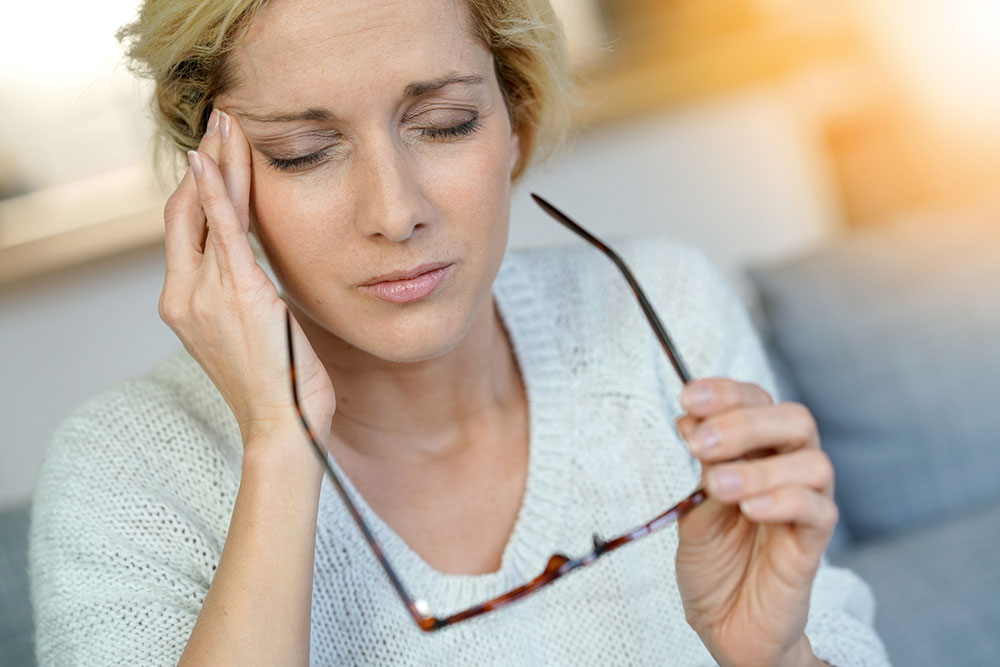
Besides throbbing head pain, migraines can cause a range of lesser-known symptoms that can be equally distressing. From elusive prodrome signs like mood changes and food cravings to sensory disturbances like altered taste and auditory sensitivity, these hidden aspects of migraines significantly impact a person’s well-being in the long run. This brief post sheds light on a few lesser-known migraine symptoms, emphasizing their importance in accurate diagnosis and better management.
Prodrome symptoms
Before the onset of the actual headache, many migraine patients experience a phase known as the prodrome. This phase can trigger various subtle symptoms:
- Mood changes: Individuals may experience mood swings, irritability, or sudden changes in temperament. Some become unusually excitable or anxious during this phase.
- Food cravings: Intense cravings for specific foods, especially sweets or carbohydrates, can be a prodromal symptom. These cravings are thought to be related to changes in brain chemistry.
- Increased thirst and urination: Some notice increased thirst and more frequent urination during the prodrome phase. This can be attributed to shifts in the body’s fluid balance.
- Neck stiffness: Neck stiffness or discomfort is a less-common prodromal sign but can cause discomfort.
Sensory changes
Migraines can profoundly affect the senses, leading to a range of unusual experiences:
- Olfactory hallucinations: Some patients report strange and intense smells that aren’t present in their environment. These olfactory hallucinations can be unsettling and are sometimes referred to as phantosmia.
- Hypersensitivity to odors: Known as hyperosmia, this can be an uncomfortable and distressing symptom during migraines. Common smells may become overpowering and unpleasant.
- Auditory sensitivity: While phonophobia (sensitivity to noise) is a recognized migraine symptom, some may experience heightened auditory sensitivity even before the headache starts. This can make everyday sounds feel painfully loud.
- Altered taste: Dysgeusia, or an altered sense of taste, can occur during a migraine attack. Food and drinks may taste different or unpleasant, contributing to nausea.
- Cutaneous allodynia: It is a phenomenon where even a light touch to the skin can be painful during a migraine attack. This can make activities like hair brushing or wearing glasses excruciating.
Visual disturbances
Visual disturbances are common during a migraine attack but can manifest in various ways:
- Scintillating scotomas: These are often described as shimmering, zigzag lines that move across the visual field. They are a classic aura symptom and can obscure a person’s vision.
- Visual snow: Some experience a phenomenon called visual snow, where their entire visual field appears to have a “static” or “snowy” overlay, similar to old television static.
- Photophobia without pain: While light sensitivity during migraines is well-known, some experience photophobia even without a full-blown migraine attack. Changes in lighting conditions or exposure to bright lights can trigger this.
Gastrointestinal symptoms
Migraines and the digestive system are closely linked, so gastrointestinal symptoms can be a prominent part of a migraine episode:
- Abdominal pain: Sometimes referred to as “abdominal migraines,” this variant of the condition primarily affects the stomach, causing severe abdominal pain, nausea, and vomiting.
- Diarrhea or constipation: Migraine attacks can disrupt normal bowel function, leading to diarrhea or constipation in some individuals.
- Nausea and vomiting: While nausea is a well-known symptom, it can be severe and lead to vomiting in many cases. This can further exacerbate the overall discomfort during an attack.
Cognitive symptoms
Migraines can impact cognitive function, leading to a range of symptoms:
- Brain fog: Many patients report feeling mentally foggy or “out of it” during an attack, making it difficult to concentrate or think clearly.
- Confusion: Some experience confusion or disorientation during a migraine episode, leading to difficulties with tasks that require mental clarity.
- Aphasia: Aphasia is a language disturbance that can affect the ability to speak, understand language, or find the right words to express thoughts. It’s more common during the aura phase but can persist during the headache phase for some.
Motor symptoms
Motor symptoms are less common but distressing:
- Weakness: A hemiplegic migraine is a rare form of migraine that triggers temporary paralysis or weakness on one side of the body. This can be mistaken for a stroke and should be evaluated urgently.
- Coordination problems: Some experience impaired coordination during a migraine attack, complicating tasks like typing or walking.
- Tremors: Migraines can occasionally cause tremors or shakiness in the hands or other parts of the body.
Vestibular symptoms
Migraine-associated vertigo, also known as vestibular migraine, can lead to various symptoms:
- Dizziness: Dizziness and a spinning sensation, known as vertigo, can be a prominent feature of vestibular migraines. It often occurs without a severe headache.
- Balance problems: Vestibular migraines can disrupt balance, leading to difficulty walking and an increased risk of falls.
- Nystagmus: Some with vestibular migraines experience involuntary eye movements called nystagmus, which can affect visual stability.
Temperature sensitivity
Temperature changes can trigger or exacerbate attacks in some patients:
- Cold allodynia: Cold allodynia refers to an increased sensitivity to cold temperatures, even a mild chill that wouldn’t typically bother someone. Exposure to cold air or water can trigger a migraine in individuals with this sensitivity.
- Heat sensitivity: Conversely, some may find exposure to heat or high temperatures triggers or worsens their migraines.
Sleep disturbances
Sleep disturbances are common and can occur even without an active headache:
- Insomnia: Many with migraines experience difficulty falling or staying asleep, leading to disrupted sleep patterns.
- Hypersomnia: Similarly, some migraine sufferers may have a strong urge to sleep excessively during or after an attack.
Aura variants
While visual auras are well-known, there are less common aura variants:
- Hemianopsia: Hemianopsia is a visual disturbance where individuals lose half of their visual field. It can be frightening and is often mistaken for a more severe condition, such as a stroke.
- Alice in Wonderland syndrome: This rare aura variant can cause distorted perceptions of body size and proportions. Individuals may feel their body parts are shrinking or growing.
Mood changes
Migraines can impact mood in various ways:
- Depression and anxiety: Patients are at an increased risk of depression and anxiety, which can occur independently of migraine attacks.
- Irritability: Irritability and mood swings are common during both the prodrome and headache phases.
Fluid retention
Fluid retention, particularly in the face, can occur during a migraine attack, leading to puffiness and swelling.
Remember, not everyone will experience these lesser-known symptoms. The presentation of migraines can vary greatly from person to person.