13 Foods for a Healthy Bladder
The bladder is a critical organ in the urinary tract that stores and releases urine. Any problem in the bladder can lead to discomfort, pain, and even infections. Therefore, it is essential to take good care of this organ. Besides following a healthy lifestyle, adding nutritious foods to the meal plan can contribute to maintaining optimal bladder health. Here are some of the best foods to eat for a healthy bladder.
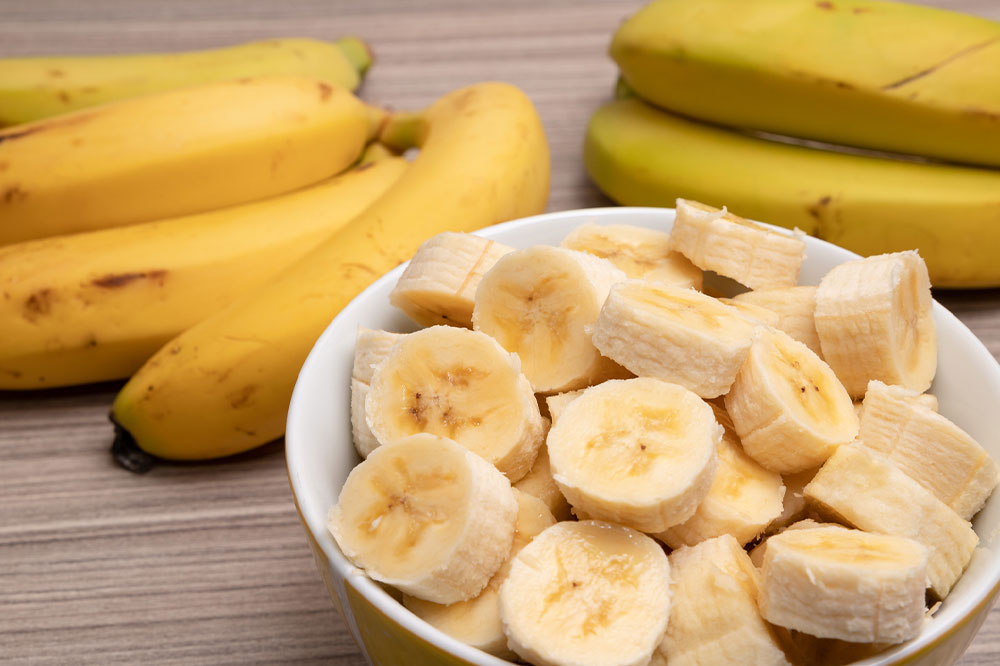
Bananas
Bananas are an excellent source of fiber, which can help promote digestive health and lower the risk of constipation. Preventing constipation is necessary because it can cause bladder irritation and increase the risk of urinary tract infections (UTIs). Bananas are also rich in vitamin C, an antioxidant that can help soothe the bladder.
Winter squash
Winter squash and other squash varieties like butternut, acorn, and pumpkin are excellent sources of potassium, which is vital for maintaining kidney and bladder health. High-potassium foods can reduce the risk of UTIs and bladder irritation. Winter squash, in particular, is also low in sodium, which can help lower inflammation and prevent the kidneys from working overtime to flush out the extra salt from the body.
Yogurt
Yogurt is a good source of probiotics, beneficial bacteria that live in the gut and help promote a healthy immune system. Studies have shown that probiotics can help prevent UTIs by maintaining a healthy balance of microbes in the urinary tract.
Green tea
Green tea is a great home remedy for the bladder and overall health. It is a rich source of antioxidants that can prevent oxidative damage in the body. But one must drink this beverage in moderation and choose water for better hydration. Drinking plenty of water helps flush out toxins and waste products from the body, keeping the bladder clean and healthy. It also helps prevent UTIs that increase the risk of bladder problems. Experts recommend drinking at least eight to ten glasses of water daily to maintain a healthy bladder.
Cranberries
Cranberries are known for their anti-inflammatory and antibacterial properties, making them an excellent fruit for bladder health. They are also rich in antioxidants and contain compounds called proanthocyanidins that help lower the risk of UTIs by preventing bacteria from sticking to the bladder walls. Besides eating fresh cranberries, drinking cranberry juice can help reduce the risk of health conditions associated with the bladder and promote the organ’s overall health.
Blueberries
Like cranberries, blueberries are rich in antioxidants and have anti-inflammatory properties. They contain anthocyanins that help prevent inflammation and oxidative damage in the bladder. Thus, adding blueberries to meals can help improve bladder health.
Apples
Apples are a rich source of fiber and contain antioxidants, making them excellent for bladder health. They also have anti-inflammatory properties that help reduce inflammation in the organ. One can eat apples without peeling their skin for higher fiber intake or drink apple juice for easier digestion.
Pears
Pears are a good source of antioxidants like vitamin C, which can help reduce inflammation. They also have low acidity levels, suitable for soothing an irritated bladder and reducing the risk of UTIs.
Leafy greens
Leafy greens like spinach, kale, and lettuce are rich in vitamins, minerals, and antioxidants, making them excellent for bladder health. They also have high levels of water, which can help to flush out toxins and waste products from the body. Hence, adding leafy greens to meals can reduce the risk of bladder problems.
Salmon
Salmon is a rich source of omega-3 fatty acids, which have anti-inflammatory properties that can help reduce inflammation in the bladder. They also contain vitamin D, an essential nutrient for a healthy immune system. Thus, salmon and other fatty fish can promote overall health.
Nuts
Nuts are an excellent source of healthy fats like omega-3 fatty acids, which can help reduce inflammation in the body. They also have vitamin E, an antioxidant that can protect bladder tissue.
Eggs
Eggs are high in protein and contain essential amino acids important for repairing bladder tissue and maintaining bladder health. They are also considered the least bothersome foods for the organ.
Whole grains
Whole grains are high in fiber and low in sugar, excellent for preventing constipation and reducing the risk of bladder irritation. They also have essential vitamins and minerals required for overall health and well-being.
What to avoid?
While one can add the above foods to their meals, it is crucial to cut back on a few others that may irritate the bladder, cause urinary tract infections, or exacerbate existing bladder conditions. Caffeinated beverages (like coffee, tea, and specific energy and soft drinks) and carbonated beverages (soda and sparkling water) are examples of unhealthy foods for this organ. They can irritate the delicate bladder lining and stimulate urine production, increasing the urge to use the bathroom more frequently.
Besides beverages, spicy and acidic foods can also affect bladder health. Spices like cayenne pepper, chili powder, and hot sauce contain capsaicin, a compound that generates heat and adds to the spiciness of these foods. Capsaicin can stimulate the nerves in the bladder, causing inflammation or irritation and potentially increasing the risk of UTIs. Further, one must avoid citrus fruits (like oranges, lemons, limes, and grapefruit), tomatoes, and tomato-based products (like sauces and ketchup). These are highly acidic and can potentially irritate the bladder and also increase the risk of UTIs. Foods with artificial sweeteners can have similar effects.
It is important to note that everyone’s body is different, and certain healthy foods may also be problematic for some. Therefore, one must pay attention to their body’s reactions to different foods and beverages and avoid those that cause bladder irritation or worsen existing bladder conditions. It is always a good idea to consult a healthcare professional if one experiences persistent bladder problems.