14 brain-boosting foods that help fight dementia
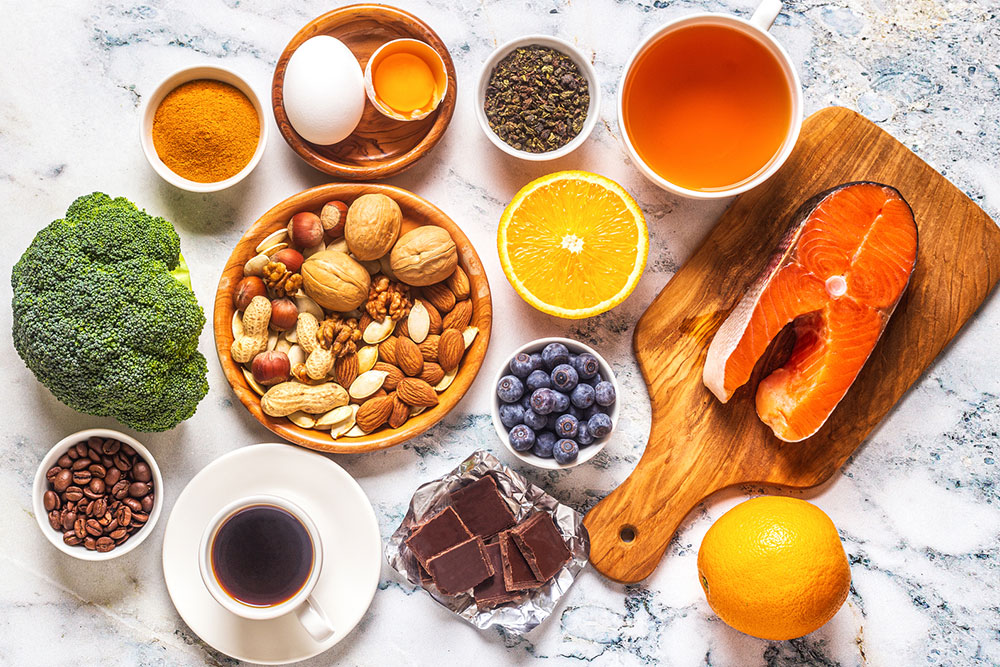
Nutrition plays a crucial in maintaining brain health and function. A healthy meal plan is believed to contribute to the prevention of cognitive decline, including conditions like dementia—a term for issues like the loss of memory, language, problem-solving, and other thinking abilities. Even when diagnosed with dementia, the right nutritional regimen can help in managing the condition, maintaining overall health, and minimizing the impact of the condition’s symptoms on daily life.
Foods to consider
1. Leafy greens
Leafy green vegetables like Swiss Chard, spinach, collard greens, and kale are rich in B9 and folate, which can boost cognition and mood. One can add these veggies to daily meal plans by making veggie salads, adding the greens to chilis, stews, and soups, and pureeing them and adding to hummus, pesto, and sauces.
2. Legumes
Foods like peanuts, beans, and pulses contain protein, iron, and fiber, which can help improve insulin sensitivity, glucose regulation, and cognitive function. The nutrients can also help prevent blocked arteries that trigger strokes or increase blood pressure. One can cook legumes and add them to daily meals.
3. Berries
Blackberries, blueberries, cherries, and raspberries are rich in fiber and antioxidants, which can help with digestion and reduce inflammation, respectively. Berries contain anthocyanin flavonoids that can prevent cell damage triggered by free radicals. One can eat raw berries as a snack or dessert or add them to a smoothie bowl or salad.
4. Quinoa
Quinoa is rich in iron, B vitamins, and complex carbs. The brain uses 20% of the complex carbs from meals, which is a lot for merely 2% of the body mass the organ has. So, complex carbs are brain food and provide steady energy for normal brain functioning, making quinoa a great food to add to meals. Also, the iron content in quinoa helps the blood carry oxygen, delivering it throughout the body. The mineral is also crucial for concentration and attention. Additionally, B vitamins in quinoa help create brain chemicals necessary for creating memories. This makes quinoa a great food for fighting dementia.
5. Tea and coffee
Tea polyphenols can help reduce oxidative stress in the body, and tea and coffee both contain caffeine, which is believed to delay the onset of dementia in seniors. However, further research is required to confirm caffeine’s effects on the condition.
6. Avocado
This fruit contains healthy fats, which can reduce the risk of hypertension—a condition that can increase the risk of cognitive damage. Avocadoes also contain carotenoids, fiber, and potassium, which help with digestion and reduce inflammation. The fruit also contains lutein, which can cross the blood-brain barrier to boost cognition. One can replace other fat sources with avocados and add them to toast or salads.
7. Whole grains
Whole grains like brown rice, barley, oats, and amaranth contain B vitamins that fight brain inflammation and can slow down cognitive decline. Additionally, they help maintain overall health by reducing the risk of diabetes and helping with diabetes management.
8. Dark chocolate
Dark chocolate contains flavonoids and boosts the nitric oxide content produced by cells lining the inside of blood vessels. Nitric oxide has an anti-inflammatory effect. Dark chocolate can also help improve blood flow to the brain, boost problem-solving skills, and improve working memory. One can either use unsweetened dark chocolate powder for their recipes or have a piece or two of dark chocolate sometimes per week.
9. Turmeric
Turmeric contains curcumin—a compound that has anti-inflammatory and antioxidant properties. This compound can help remove the brain plaque that contributes to Alzheimer’s disease—the most common type of dementia. Turmeric also has antioxidant properties that help boost brain health. One can add this spice to various savory and sweet recipes, including sauces, soups, and beverages.
10. Tomato
Cooked tomatoes have lycopene, which lowers oxidative stress that damages the brain. One can have tomato sauce or add the fruit to various meals.
11. Pistachios
Pistachios are rich in vitamin E, a nutrient essential for the brain. Pistachios also contain natural oils that prevent brain inflammation and can reduce lobe shrinkage in those with brain injuries. As nuts are rich in calories, one can have them once in a while in small portions.
12. Olive oil
Olive oil has antioxidants and monounsaturated fats that help reduce brain inflammation and preserve memory. Olive oil also contains oleuropein aglycone polyphenol, which is believed to reduce the formation of amyloid deposits, a key sign of Alzheimer’s disease. One should opt for extra virgin olive oil and drizzle it over salads or use it for sautéing vegetables.
13. Sage
Sage can improve concentration and boost memory. One can use the essential oil derived from sage or eat fresh sage to get its benefits. If incorporating sage into meals, one should add it toward the end of cooking to retain its beneficial oils.
14. Oranges
Oranges contain vitamin C—an antioxidant that protects the brain cells from aging-related damage. The vitamin can also improve cognitive abilities and boost brain health.
A high-fiber, low-sugar, and antioxidant-rich meal plan is generally preferable for maintaining brain health. In addition to making better nutritional choices, one should also make lifestyle changes like exercising regularly. The combined effects of a good food regimen and physical activity can help prevent many health issues and cognitive decline.