15 mistakes to avoid when changing oil on Jeeps
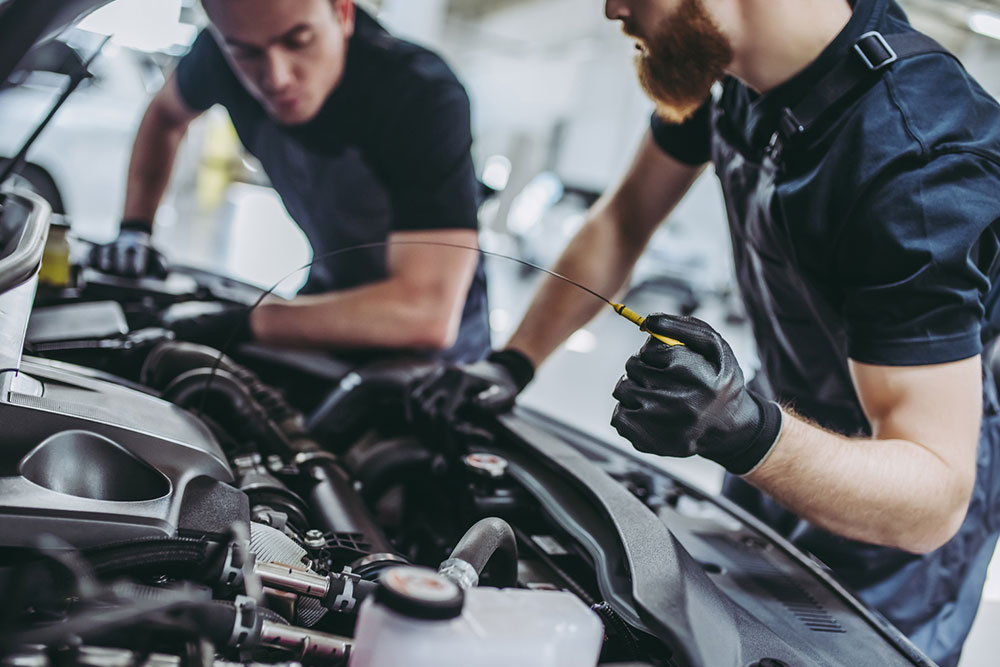
Changing the oil in one’s Jeep is a routine maintenance task crucial for keeping the vehicle in good condition. Failing to follow proper procedures can lead to engine damage, costly repairs, and safety hazards. Common mistakes include using the wrong oil grade, overtightening the oil filter, and improper disposal of old oil. This article explores some critical errors to avoid when changing oil in Jeeps, ensuring the longevity and performance of these rugged vehicles.
1. Neglecting the owner’s manual
One of the most fundamental mistakes when changing oil on any vehicle, including a Jeep, is not consulting the owner’s manual. This manual provides vital information about the type of oil the Jeep requires, the appropriate oil filter, and the recommended oil change interval. Using the wrong oil type or filter can adversely affect the engine’s performance and longevity.
2. Using low-quality oil
Opting for cheap or low-quality engine oil may save one a few dollars initially, but it can lead to engine problems down the road. High-quality oil with the right viscosity and additives helps lubricate and protect the engine’s internal components. Investing in a reputable brand of oil can prevent unnecessary wear and tear on the Jeep’s engine.
3. Overlooking oil filter replacement
Changing the oil filter is as important as replacing the oil itself. The oil filter removes contaminants from the oil, ensuring the engine receives clean, well-lubricated oil. Neglecting to replace the filter can lead to oil clogs and reduced engine performance. Always change the oil filter during each oil change to maintain optimal engine health.
4. Using the wrong tools
Having the correct tools is essential when changing the Jeep’s oil. Using the wrong tools can lead to stripped drain plugs or filter housings, making future oil changes more challenging. Individuals must ensure they have the appropriate socket or wrench for the drain plug, an oil filter wrench, and a suitable oil drain pan to catch the old oil.
5. Not letting the engine warm up
Changing the oil when the engine is cold can result in incomplete drainage, leaving old, sludgy oil in the system. It’s best to warm up the engine for a few minutes before draining the oil. This helps the oil flow more smoothly and ensures the removal of as much of the old oil as possible.
6. Forgetting to disconnect the battery
When changing the oil of a vehicle, it is not usually necessary to disconnect the battery. However, it is recommended to do so whenever working on any part of the engine. Disconnecting the battery can help prevent any unwanted electrical mishaps or accidental starts that may occur while under the vehicle.
7. Not using a jackstand
Safety should always be a top priority when working under the Jeep. Failing to use a jack stand or properly secure the vehicle can result in severe injury or death if the vehicle falls. Always use a jack stand in addition to the floor jack to provide extra support and stability while working. Also, it is always advisable to work with a friend or a buddy who can be there in case of any mishaps or emergencies. Always let someone know one is working on the vehicle when starting a repair project.
8. Overfilling or underfilling the oil
Properly measuring the oil is crucial. Overfilling can lead to excessive pressure, oil foaming, and damage to engine seals, while underfilling can result in inadequate lubrication and increased wear on engine components. Follow the recommended oil capacity specified in the owner’s manual to ensure one adds the correct amount of oil.
9. Over-tightening the drain plug or filter
Over-tightening the drain plug or oil filter can damage the threads and complicate future oil changes. It’s essential to tighten them to the manufacturer’s recommended torque specifications, which can be found in the owner’s manual or service manual. One can also use the internet’s help to get some ideas, but trusting the owner’s manual is better as they may have specific information applicable to one’s vehicle and model.
10. Not checking for leaks
After changing the oil and running the engine for a few minutes, inspect the area around the drain plug and oil filter for signs of leaks. Addressing leaks promptly can prevent oil loss and engine damage.
11. Not recycling the used oil
Improper disposal of used engine oil can be detrimental to the environment. To avoid such consequences, it is crucial to recycle used oil through proper channels. Most of the auto parts stores and recycling centers accept used oil for recycling. Therefore, it is always advisable to be responsible and recycle used oil according to the local laws and regulations.
12. Forgetting to reset the oil change indicator
Many modern Jeeps have oil change indicators that remind one when it’s time for an oil change. After completing the oil change, don’t forget to reset this indicator to ensure one receives timely reminders for future maintenance.
13. Rushing the process
Changing the Jeep’s oil should not be rushed. It is essential to take one’s time to ensure that each step is done correctly. Rushing can lead to missed details and mistakes affecting the vehicle’s performance and longevity. The progress can be slow, but trust the process and take one’s time.
14. Not wearing appropriate safety gear
Wearing appropriate safety gear, such as gloves and safety glasses, while working on the vehicle is essential. This is because oil and contaminants can be harmful to the skin and eyes, so taking precautions is necessary.
15. Neglecting regular oil changes
Finally, one of the biggest mistakes one can make is neglecting regular oil changes. Jeep or any other vehicle requires consistent maintenance to function at its best. Skipping oil changes or extending intervals beyond what’s recommended can lead to severe engine damage and costly repairs.
In conclusion, changing the oil in the Jeep is a routine maintenance task that should be performed with care and attention to detail. By avoiding these common mistakes and following the owner’s manual’s recommendations, one can keep the Jeep’s engine running smoothly and extend its lifespan.