3 ways to deal with an overactive bladder
People with an overactive bladder (or OAB) experience a sudden and frequent urge to urinate. About 40% of women and 30% of men in the country deal with this condition, which can be caused by weak pelvic muscles, nerve damage, and excessive caffeine consumption. Those affected may have to urinate more often than usual and can even experience leakage. Here are a few treatment options, foods to eat and avoid, and ways to manage OAB:
Treatment options
Persistent symptoms should be discussed with a doctor so that they can determine the right course of treatment for OAB. Here are popular options that can be considered based on the doctor’s recommendation:
Gemtesa: It is an FDA-approved prescription treatment for adults affected by OAB. It helps relieve urinary symptoms like urgency, frequency, and even incontinence. Gemtesa is an oral treatment, usually taken with water. Common side effects include diarrhea, headache, or nausea.
Myrbetriq: It can help treat bladder issues like neurogenic detrusor overactivity and overactive bladder. This treatment option relaxes the detrusor, a bladder muscle, making it easier for the bladder to accommodate more urine and reduce OAB symptoms. Doctors recommend oral consumption of Myrbetriq once a day. Adults can have it with or without food, while children must take it with food.
Toviaz: It prevents frequent bladder contractions and calms the bladder muscles. Additionally, Toviaz reduces symptoms like frequent urination, persistent urge to pee, and incontinence. Doctors may not recommend this option for those who suffer from stomach-related issues and cannot empty the bladder. Allergic reactions are common side effects of this treatment option.
Enablex: It helps treat OAB by relaxing the bladder muscles, improving the ability to control urination, and reducing the likelihood of leakage, frequent bathroom trips, and sudden urge to urinate. Enablex can be taken with or without food once a day. However, the exact dosage depends on the severity of the condition and the patient’s responsiveness to treatment.
Foods to eat and avoid
Nutrient-dense foods can strengthen the urinary bladder and alleviate symptoms. A few of such food options are:
Fiber-rich foods: Raspberries, pears, oats, beans, and lentils are good sources of fiber to add to one’s meals. Fiber-rich foods are not just filling but also help avoid constipation that can exert pressure on the bladder and worsen OAB symptoms.
Banana: This fruit is a fiber-rich option that also contains potassium, which can aid in bowel movements, making it a top choice for improving urinary tract health. Bananas can be eaten as is or add them to smoothies or cereals.
Cucumber: Rich in vitamin K, fiber, and antioxidants, cucumber can help soothe an overactive bladder and reduce incontinence.
Nuts: Those with an overactive bladder can add nuts to their meals to get the required amount of fats. Bladder-friendly nuts include peanuts, almonds, and cashews, which are rich sources of protein and also contain fiber and other nutrients.
Food items that can worsen OAB symptoms are:
Tomato and its products: The fruit is highly acidic and can irritate the bladder, so these items should be avoided. Tomato-based products such as salsa, ketchup, and pizza sauce can also aggravate the OAB symptoms.
Caffeinated beverages: People with OAB should avoid tea and coffee as the caffeine in these drinks can increase bladder activity and aggravate symptoms like frequency and urgency of urination and incontinence.
Citrus fruits: Orange, grapefruit, lemon, and lime have a high citric acid content that exacerbates bladder issues by irritating the bladder.
Spicy foods: Avoid hot sauces and peppers as spicy food can also irritate the bladder.
Lifestyle changes
A few modifications to one’s daily routine and lifestyle can help in the effective management of an overactive bladder and its symptoms. Some simple measures are:
Staying hydrated: While it may seem counterproductive, people with an overactive bladder should ensure that they do not reduce their intake of water and other non-irritating liquids to avoid frequent urination. Limiting fluids can make the urine concentrated and further irritate the bladder.
Maintaining a bladder diary: One can keep a bladder log or diary to keep track of the frequency of their bathroom visits along with fluid intake. This can help them understand their symptoms better. Further, the diary can help them understand what aggravates their symptoms.
Fixed bathroom schedule: Sticking to a strict urination schedule can help people control the urge and retrain their bladder. So, instead of peeing when one feels the urge, specific times are set. Doctors can recommend a reasonable schedule based on the severity of symptoms.
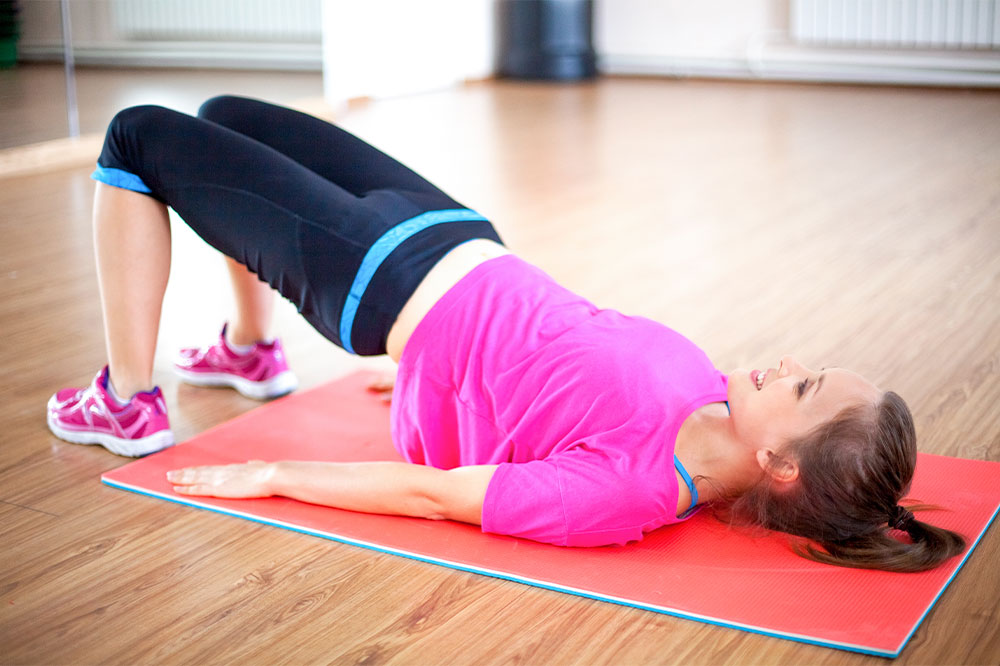
Pelvic floor muscle exercises: Kegel exercises tighten the urinary sphincter and pelvic floor muscles and can prevent involuntary bladder contractions. Consistently working on Kegels can provide quicker results.
Double voiding: The practice involves emptying the bladder twice, i.e., peeing once, waiting for a few seconds, and then peeing again. It can help those who find it difficult to empty their bladders.
It is essential to adopt healthier habits, like choosing nutritious and bladder-friendly food, to maintain a healthy bladder. Keeping a food log or diary can also help one find the correlation between their food and OAB symptoms. All persistent concerns regarding the urinary tract should be communicated to a doctor.