4 effective ways to manage hemophilia
Hemophilia is a health condition in which the patient’s blood fails to clot normally due to the absence of clotting factors like Factor VIII and Factor IX. In most cases, this disease is genetically passed through generations, mainly affecting males. In patients with low clotting factors, spontaneous and injury-related bleeding can have fatal results. According to CDC, 12 people per 100,000 males in the country have hemophilia A. Here are four ways to manage the disease:
Effective trea tment options
Even though this condition is non-curable, there are ways to minimize symptoms and keep it under control. The treatment varies as per the type of disease detected in the patient. It is important to remember that the main purpose of the treatment is to reduce bleeding and promote blood clotting.
Hemlibra, Recombinant Factor Concentrates, and Kovaltry are three different types of treatment advised for patients suffering from this kind of blood disorder.
Hemlibra
This is prophylaxis that needs to be prescribed by a practicing health professional. It is given to patients suffering from Hemophilia A, and its main objective is to reduce bleeding in the patient. It is prescribed for newborns, kids of all ages, and adults alike.
Recombinant Factor Concentrates
These are derived from animal cells that use the human gene to make the factor protein. Recombinant factors 8,9, and 7A have been in use since the 1990s. Doctors advise these concentrates for patients with hemophilia with an inhibitor against Factor 8 or 9.
Kovaltry
It is a treatment offered to patients suffering from Hemophilia A and is used to replace clotting Factor VIII. It is recommended for adults and kids. Regular usage as prophylaxis, this treatment can effectively lessen bleeding episodes.
These treatments should not be self-prescribed. You need to speak to a healthcare provider and inform them of all your symptoms before starting these treatments.
Good food habits – What to eat
Increase fruit and vegetable intake
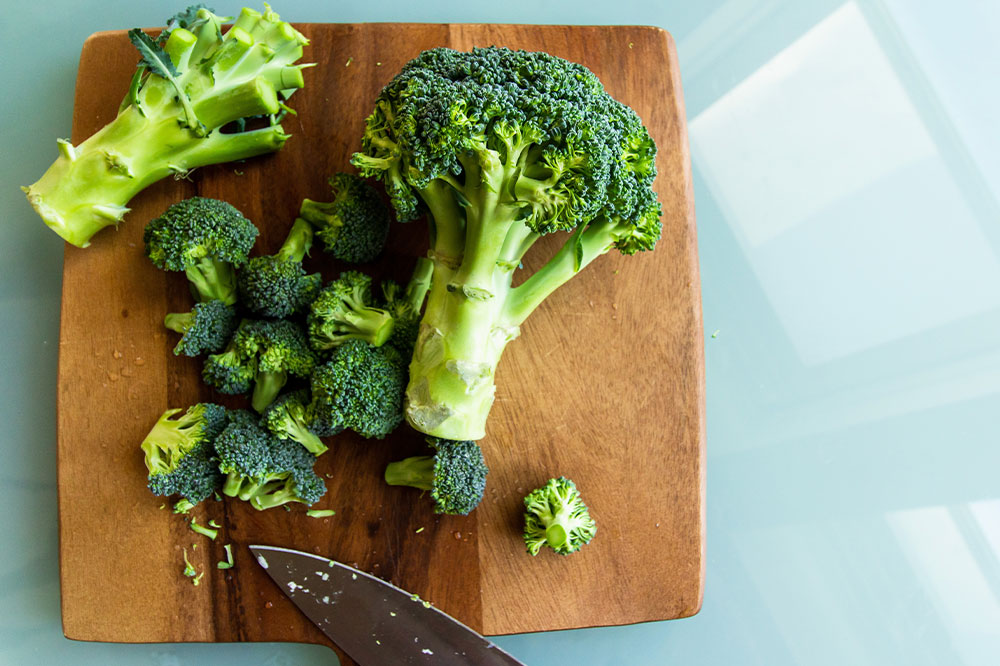
Since blood loss is the main problem in hemophilia patients, they are advised to eat lots of green leafy veggies and fruits rich in iron. Vegetables like broccoli, spinach, dried beans, etc., are the best. Consuming citrus fruits like oranges filled with vitamin C fasten iron absorption by the circulatory system.
Increase whole-grain foods intake
Oats, brown rice, brown pasta, barley, bran, etc., keep cholesterol and blood sugar under control.
Switch to low-fat dairy products or choose good fats
Foods low in saturated fats or high in unsaturated fats are highly recommended for patients. These keep the cholesterol level in the blood under control. Recommended foods are olives, olive oil, skimmed milk, seeds, avocados, nuts like walnuts, soybeans, and oils of sunflower, corn, safflower, or canola. These are also rich in vitamins and minerals, keeping the bone structure strong.
Stay hydrated
Never cut down on water consumption. Make sure you have eight to ten glasses of water every day. Blood is mostly water and needs to be in the same state. Plus, hydration helps find veins easily, which is a big help during an infusion. Additionally, water is essential for the joints and cells to work optimally.
Tips to cook food
- Instead of frying the vegetables, you can also opt for baked, grilled, or boiled veggies.
- It is also advised that people with hemophilia have smaller portions of food at once. If you travel or carry food to the office, do so in containers that come with measurements.
- When buying food ingredients, it is imperative to read the labels thoroughly to avoid high-fat and sugary foods. Labels mention the calories, fats (saturated & unsaturated), and content of sugar, sodium, and other minerals.
- Eating your food slowly helps in a healthier digestion process. So, focus on chewing your food for better health.
- Have meat-free meals since meats are typically high in fats, which can lead to cholesterol issues.
Lifestyle remedies
Physical exercise
Avoid playing sports like hockey, soccer, and wrestling. Make sure you exercise regularly to keep your bones and muscles protected. Walking, swimming and cycling are some of the best options.
Use protective gear
Brace yourself to protect yourself from injuries to reduce the risk of bleeding. Wearing helmets, knee and elbow pads, and safety belts are advised. Also, at home, ensure that there are lesser sharp-edged furniture and household items.
Maintain oral health
Keep your teeth and gums healthy so that there are fewer chances of dental bleeding.
Use emergency devices
A health alert bracelet is advised for kids, elderly patients, and adults. This helps people know that you are a patient with hemophilia in public places, especially during emergencies. Additionally, it is important to keep people around you, like office colleagues, peers, neighbors, teachers, etc., informed about your health condition.
People who have hemophilia should take care of their food habits and BMI levels by making the right food and lifestyle choices. Never run away or feel embarrassed to ask for help. If you experience any hemophilia symptoms, consult a licensed healthcare provider at the earliest. These tips will help you manage and treat the condition before it progresses.