4 ways to relieve constipation
When constipated, one’s bowel movements become difficult and infrequent. People with constipation find it challenging to pass stool and can experience hard stool, bloating, or even nausea. Not having enough fiber or fluids can cause constipation, and factors like pregnancy, traveling, sedentary lifestyle, and stress can also increase the risk of developing this condition. Constipation is usually treatable and can be managed using the following treatment options, foods, and lifestyle changes:
Treatment options
Doctors can prescribe laxatives and other such options based on the severity of the condition. Here are a few popular options to treat constipation:
Linzess: This increases the fluid content in the intestines, which accelerates the food movement through the gut. It also helps improve stool consistency and eases symptoms like discomfort, abdominal pain, straining, bloating, and feeling of incomplete bowel movements. Doctors recommend taking Linzess orally, at least half an hour before one’s first meal.
Movantik: This option is prescribed to cure the kind of constipation that is a side effect of other treatment options that target non-cancer pain. Movantik curtails the impact of the other prescription treatments on the gut without blocking their effect on pain. This is an oral prescription treatment that should be taken on an empty stomach an hour before a meal or two hours after one.
Amitiza: This is used to treat conditions like irritable bowel syndrome or chronic idiopathic constipation. Amitiza can provide relief from symptoms like abdominal discomfort and bloating. It may also reduce the need to strain, improve stool texture, and lower the feeling of not completely emptying oneself.
Duphalac: This laxative is a type of sugar that can increase your frequency of bowel movements, can soften the stool, and improve stool water content. Duphalac can be taken once a day as a solution using its syrup or powder.
Motegrity: This oral treatment option targets chronic constipation when other options cannot provide relief. Motegrity improves the movement of the food during digestion. The dosage depends on your medical condition, age, and response to treatment.
Foods to eat for better digestion
Adding fiber-rich foods to the nutritional regimen can help relieve constipation by facilitating smooth digestion. Some such options are:
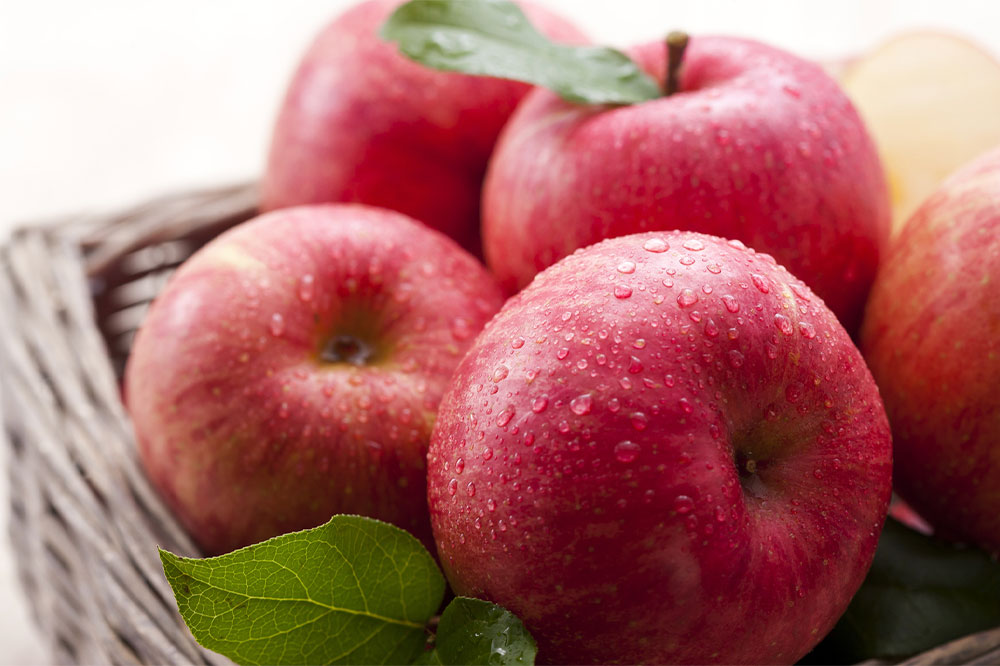
Apples: This is a fiber-rich fruit that can improve digestion. A medium-sized apple contains about 4.8 grams of fiber. Apples are rich in insoluble fiber that adds to the bulk of stool, softening it in the process. They also contain soluble fiber—in the form of pectin—that improves digestion.
Pears: The fruit has high sorbitol and fructose content along with fiber. Fructose and sorbitol are both not absorbed well by the body and end up in the colon, acting like natural laxatives and stimulating a bowel movement.
Green vegetables: Veggies like Brussels sprouts, spinach, and broccoli have a high fiber content. They are also rich in vitamins K, C, and folate. These greens add weight and bulk to the stools, facilitating the smooth movement of food.
Foods to avoid when constipated
Certain food items can aggravate constipation symptoms and disrupt the process of digestion.
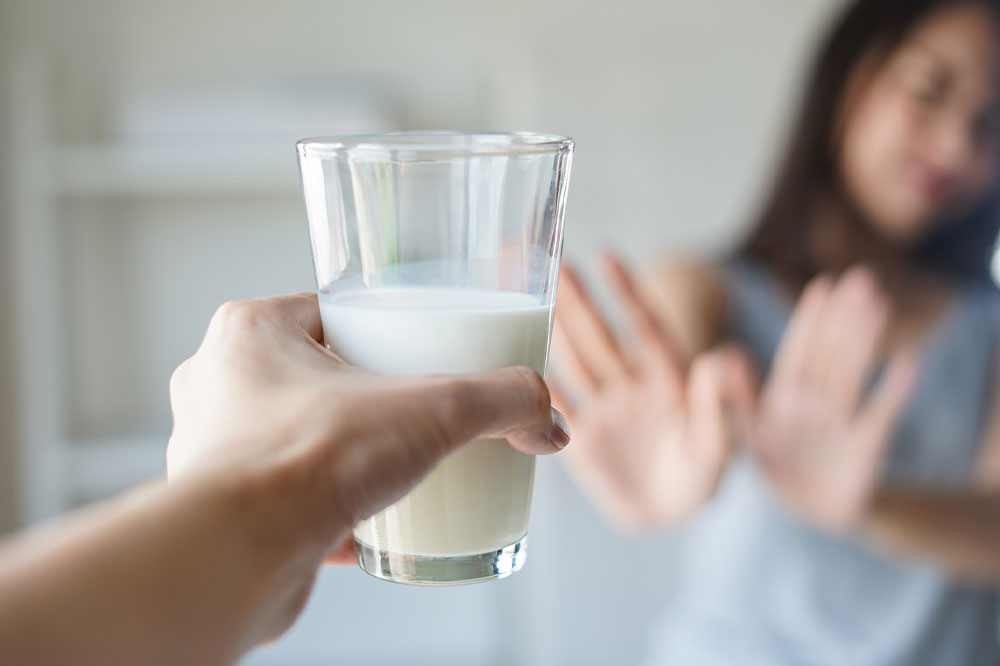
Dairy: Dairy products are high-fat and low-fiber food items and should be avoided if one feels constipated. Cheese, ice cream, and other dairy products can be difficult to digest.
Processed and fast foods: These items are full of unhealthy fats and contain little to no fiber, making them difficult to digest. These food items sit longer in the intestines, letting a lot of water be absorbed from the stool.
Fried foods: Chips, fries, and donuts can slow down the digestion process
Lifestyle changes to relieve symptoms
One can modify their daily routine by adopting a few practices that relieve the pressure on the body and manage the symptoms of constipation. Some simple measures are:
Adopt an active lifestyle: A sedentary lifestyle can lead to constipation, especially in older adults. Being physically active encourages bowel movement and can relieve symptoms. Even light exercise like yoga and jogging can help increase the blood flow through the abdomen.
Manage stress: It is one of the lesser-known factors responsible for constipation, but stress can slow down food movement. Adopting a few relaxation techniques like deep breathing exercises, meditation, and visualization can relax the mind and body, bringing down stress levels.
Fix toilet posture: Trying elevation using a step stool can alter one’s posture and make it easier to excrete without any straining. Squatting can help relieve constipation too.
Bowel training: Bowel training involves training the body to pass stool at the same time every day. One should try visiting the bathroom about 20–30 minutes after having a meal as eating triggers wave-like motions in the intestines, making it easier for them to push waste out. Further, warm water or fluids in the morning can also accelerate the process.
Don’t ignore bowel signals: Ignoring the body’s signals can weaken them over time. One shouldn’t hold stool in as this can worsen the condition. Sitting on the toilet for 15 minutes in the morning can also work as a cue for the body to encourage bowel movement.
The bowel movement cycle is different for everyone; some people experience three movements a day while others are used to one movement in 2–3 days. A deviation from the normal frequency should be a sign that something is wrong. These concerns, if persistent, should be shared with the doctor so that the right course of treatment, food plan, and healthy lifestyle changes can be incorporated into the daily routine.