6 common breast pumping mistakes to avoid
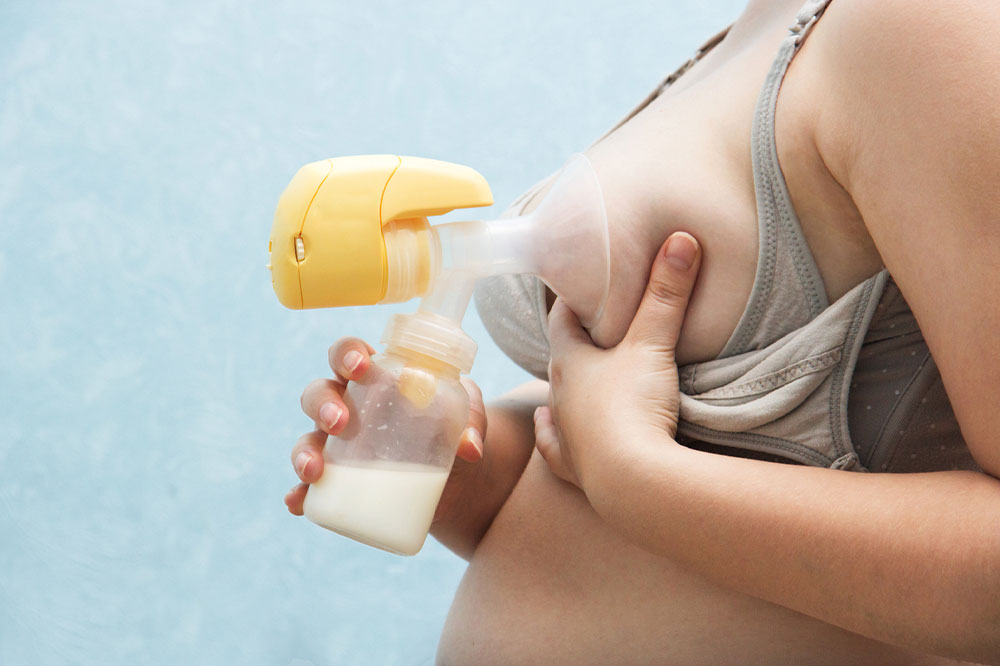
A pump is a great tool for every breastfeeding mom. It gives you the flexibility to provide breastmilk to your baby even when you need to be away for some time. Or when your baby is not latching. Thus, pumping makes a mom’s life a little easier. At the same time, the pumping process can be frustrating and uncomfortable. However, making a few changes to your process or learning new techniques makes a lot of difference.
Here are a few common pumping mistakes and ways to rectify them.
Not using hands-free pumping bras
If you are exclusively pumping and not nursing, it can keep you occupied for a significant amount of time daily. So you may end up sitting there holding your bra in place for almost two hours. Whether you wish to multitask or relax by scrolling through your phone or reading a book, you won’t be able to. The time you spend pumping will be completely blocked by this activity.
What you can do
Purchase a couple of hands-free pumping bras. These will make things easier for you. With your hands free, you can multitask while you are pumping. While buying these bras, make sure what your requirements are. This is because some of these bras are made to be worn throughout the day, while others have been designed to be worn only when you are pumping.
Using the wrong flange size
The flange of a breast pump is the cup-shaped end that has to be fitted over the breast. It is an important part of the pump since it stimulates the breast to produce milk. Its size should be right, just like the cup size of a bra. The wrong size will cause discomfort, such as nipple pain, elastic nipple, and difficulty in pumping. Furthermore, it will be difficult to pump out the quantity of milk that you require.
What you can do
To begin with, measure the nipple diameter at the base. The best time to do this is after a feed. This will give you the correct size of the flange that you need to use. Most flanges are available in sizes ranging between 19mm and 36mm. To ensure maximum comfort and ease of use of the pump, get a flange that is 3mm to 5mm larger than the nipple diameter.
Using excessive suction
This is a mistake that is usually made by those new to pumping. Most assume that the stronger the suction is, the higher the quantity of milk produced. However, the contrary happens. When you pump with higher intensity, it will cause inflammation on the surface of your breast and the nipple area. This will make it difficult to produce adequate quantities of milk.
What you can do
To avoid discomfort and pain, start pumping with the lowest settings. You can change the setting over time as you understand the level of suction your body can tolerate without affecting the quantity of milk released. You can go from low to medium and then proceed to high levels. In most cases, medium suction is what works best. This way, you can also get the most out of your breast pump.
Not breast pumping for enough duration
Even with the right flange and pump, you may not have enough milk in one pumping session. This happens when you do not pump for a long enough duration. Also, the amount of milk released after pumping for the may length of time will be different for everyone. For example, some women get 2.4oz of milk after pumping for 5 minutes, while some get the same amount after pumping for 20 minutes.
What you can do
Just like breastfeeding, the experience of pumping differs for everyone. So it is important to be patient and get the hang of pumping. In most cases, there is generally a time just before milk is pumped out. During this time, the pump has to work a little faster to stimulate a letdown. After this, you will be able to pump out enough milk for about 15 to 20 minutes. You must continue pumping until the milk flow starts slowing down for about 2 to 3 minutes.
Focusing too much on building a freezer stash
It is said you need to feed your baby and not the freezer. One of the hardest parts of being a mom, among many other things, is worrying about whether your baby has enough nutrients. When you stress over the fact that your baby has enough food available, you end up stuffing your freezer with your breast milk. So the milk in the freezer becomes a source of stress for you. This can affect your pumping experience. Excessive pumping may also cause a lot of discomfort and pain in the process.
What you can do
When building your freezer stash of breast milk is stressing you out, you need to change your focus. You can do this by planning to pump enough milk to feed your baby today. You don’t have to worry about tomorrow. Do this unless you will not be able to pump the next day or the next couple of days due to travel, work, or health issues.
Avoiding your health
When you don’t eat enough healthy food and don’t drink enough water, it will affect the quantity as well as quality of the breast milk you are pumping out. According to the CDC, a breastfeeding mother needs to consume at least 330 to 400 kilocalories (kcal) more per day than what they were having before pregnancy. Furthermore, you need to drink 8 to 10 glasses of water daily.
What you can do
Make sure you are eating healthy meals consisting of whole foods. You don’t have to count your exact calories. But you must ensure you are eating full and frequent meals and snacks with nutrient-dense foods. Just like how you plan and schedule your pumping sessions, you can make meal plans and set timers that remind you to drink water daily.