6 Foods to Eat to Manage Psoriatic Arthritis
Psoriatic arthritis is a form of arthritis that develops in some people with psoriasis, a chronic skin condition. It occurs when a person’s immune system starts to attack the body’s cells, leading to inflammation in joints and the overproduction of skin cells. It affects close to 1-3 percent of the world’s population. It is non-curable, and few treatment options aim to manage the symptoms. Read along to learn about its symptoms, triggers, and more.
What are the symptoms of psoriatic arthritis?
Many signs and symptoms of psoriatic arthritis are similar to those of rheumatoid arthritis. The manifestations of this disease also may vary from person to person. Some of the common indicators of the condition include:
- Scaly and inflamed skin, especially on the knees, scalp, and elbows.
- Pain, swelling, and stiffness in one or more back, hips, or neck joints.
- Lack of energy or tiredness.
- Tenderness in the soles and heels
- Swelling of a whole toe.
- Dents or pits in the nails.
- Inflammation of the eye and blurry vision accompanied by redness or pain.
What triggers psoriatic arthritis?
The cause of psoriatic arthritis is an immune system disorder, where your immune system acts against your body. Both genetic and environmental factors seem to influence this response. Other than these, here are some other elements that can trigger psoriatic arthritis:
- Having psoriasis is one of the most significant risk factors that increases one’s tendency to develop psoriatic arthritis
- Obesity
- Having a family history of the condition
- A viral or bacterial infection may trigger psoriatic arthritis in some people who have the chance of inheriting psoriasis
Which foods help to minimize the symptoms of psoriatic arthritis?
Psoriatic arthritis may worsen over time. In severe cases, it may even cause permanent damage to your joints, including deformity. People living with this condition are also at a higher risk of getting other serious health problems, such as:
- High blood pressure
- Obesity
- Type-2 diabetes
- High cholesterol
There is no such definite treatment for psoriatic arthritis that can completely cure it. Instead, the current therapies target relieving the symptoms, where maintaining a healthy lifestyle through dietary changes comes in. A great way to reduce the risk of this condition is to include foods that contain anti-inflammatory compounds and eliminate those that can trigger inflammation.
Let’s take a look at the anti-inflammatory meal components that can aid in subsiding inflammation:
Fatty fish
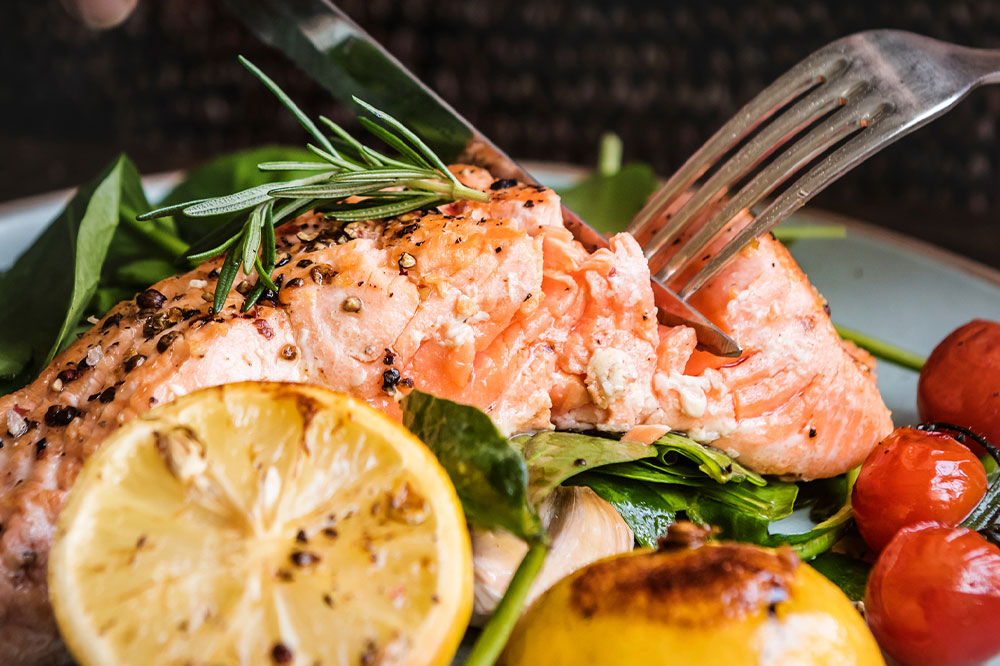
Adding fatty fish to meals is a great way to prevent this condition. It is abundant in omega-3 fatty acids, inhibiting inflammation even before it occurs at your cellular level. Some of the fishes that have high omega-3 content are:
- Sardines
- Mackerel
- Salmon
You can have any of these fish at least four times a week for the best results.
Berries
Berries, especially dark-colored ones, are rich in anthocyanins. These are phytonutrients that help fight inflammation in your body. Unfortunately, that is not all; they are also a great source of vitamin C, which reduces the risk of high blood pressure and cholesterol levels.
Peppers
Chilli and sweet red and yellow bell peppers add a punch to your food and help improve your health by reducing the risk of psoriatic arthritis. According to a research study in the Molecules Journal, they are rich in a naturally occurring alkamide known as capsaicin. Besides having anti-obesity, anti-cancer, and antioxidant properties, this compound also has excellent anti-inflammatory properties. In addition, it reduces the pain and tenderness in your joints. In addition, capsaicin reduces Substance P, which is responsible for transmitting the sensation of pain in your nerves and helps people manage painful joints.
Whole grains
Being overweight often is a contributing factor to psoriatic arthritis. Whole grains are rich in fiber and help reduce your risk of obesity. Consuming whole grains regularly makes you feel fuller for longer without eating snacks between meals. This reduces calorie intake and helps you lose weight in the long run. The fiber in whole grains also helps regulate your blood cholesterol levels. This reduces your risk of cardiac disorders resulting from psoriatic arthritis.
Some of the best options to include in your routine are brown rice, whole-wheat pasta, barley, bulgur wheat, and quinoa.
Olives and olive oil
A research study in the Endocrine, Metabolic & Immune Disorders – Drug Targets Journal verified that olive oil is rich in monosaturated fats and phenolic compounds with excellent antioxidant and anti-inflammatory properties that drastically reduce an individual’s risk of psoriatic arthritis. They also reduce inflammatory markers such as C-reactive protein in your blood. The best way to include olives in your routine is to snack on a few black and green olives between meals. Use olive oil while cooking and as a drizzle for your salad.
Garlic
According to a study in the Phytotherapy Research Journal, garlic has anti-inflammatory properties that reduce the body’s inflammation biomarkers. It inhibits the activity of lipoxygenase, which is often responsible for inflammatory flare-ups. It reduces your risk of this condition and offers relief from psoriatic arthritis by helping you manage its painful symptoms. Adding garlic to your dishes will give them a delicious twist of taste and boost your health. Just remember to use fresh garlic instead of its packaged paste.
Conclusion
It should be noted that the development of this disease cannot be prevented as genetic factors determine adding these foods to your routine can help alleviate the symptoms of psoriatic arthritis. These will also help keep your weight under check and fight other chronic conditions. However, one must remember that what works for one person may not work for the other. Therefore, before adding these foods to your daily meals, we advise you to consult your healthcare provider for a proper diagnosis and treatment plan. Doing so will give you an insight into what foods work best for you and which don’t.