7 Common Types of Hair Removal Products
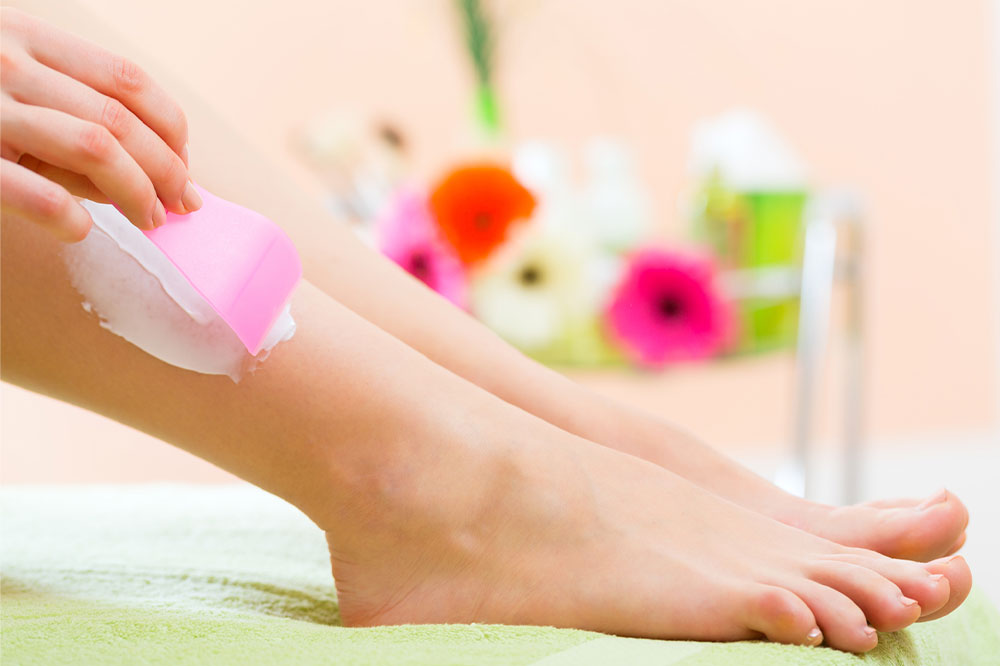
Hair develops on various areas of the body apart from the scalp, like the upper lip, back, legs, fingers, feet, toes, and chin. While such hair growth is normal and usually linked to genetics, many may not like it and want to stop it. However, one should choose the right technique and product based on the skin type, intended results, and ease of use. So, here are common types of hair removal products to consider:
Razors
One of the most common hair removal methods, especially among young individuals, is shaving. Here one uses a razor cut the hair off at the surface of the skin. Razor blades come in various styles ranging from cost-effective disposable razors used on wet skin to more expensive electric ones suitable for dry shaving. This is a quick, inexpensive, and easy-to-learn process to remove unwanted hair from the body. However, within three days, hair may become slightly visible.
Cotton thread
Threading is usually used to shape eyebrows. Here one has to double and twist a thin cotton or polyester thread and roll it over areas of unwanted hair to target the growth at the follicle level. It is an inexpensive, quick, and precise way to remove strands one at a time. The process may be slightly painful, so one could apply aloe vera gel after threading to soothe irritated skin.
Tweezers
Another low-budget way of getting rid of unwanted hair is by physically pulling or plucking it. One could try this method at home or visit a professional to get the job done. The technique is suitable for getting rid of stray hair long enough to grab. One can pull or pluck hair strands by grasping a single strand and pulling. Plucking, usually along the eyebrows, is a great option, as each strand of hair then takes longer to grow when it has been pulled out entirely from the follicle. However, the method could cause pain, and one may require multiple attempts to pull out. Tweezers and pluckers work in a similar way. One needs to hold the tool in their dominant hand and use the other hand to stretch the skin around the hair they want to remove. After this, they must use the tool to tightly grip the hair close to the skin and pull it out. This product can get rid of hair from the eyebrows, nose, and face.
One can choose from various types of tweezers. Flat options are suitable for coarse hairs, while slanted tweezers are better for eyebrows as the edge could be used to pluck multiple hairs at once. A pointed tip could come in handy one when needs more precision. Further, pointed tweezers have narrower, angled tips that are suitable for pulling ingrown hairs. Certain brands combine pointed and slanted tips to make them suitable for a variety of hair removal needs.
Wax
One could opt for waxing at home or in a salon. Here, a specific type of wax is heated to a desirable level and then spread over the skin in the direction of hair growth. Strips of fabric are then pressed onto the applied wax and allowed to cool briefly, letting the hair stick to the strips with ease. Then, the fabric strip is pulled off in one go in the opposite direction of hair growth, removing hair with each repetition. Hot wax works wonders for getting rid of large patches of hair growth at once. Additionally, waxing can be used to remove unwanted hair in any region of the body, including the back, legs, chest, lips, armpits, and bikini area.
Depilatory cream
Another popular type of hair removal product is depilatory cream. Its formula consists of chemicals that target and melt unwanted hair. For the product to work, one has to apply the cream to the patch of unwanted hair and leave it on for about three to 15 minutes. The formula dissolves the hair and creates a jelly-like substance that can be washed or wiped off after an appropriate amount of time (as per the product instructions). The cream works for large patches of hair or thick and coarse strands. Its results can last much longer than other types of hair removal products. As the formula may contain harsh chemicals, it is essential to consult an expert before using the product. Further, one should first conduct a patch test to check for allergic reactions and apply the cream to a small patch of skin at least 48 hours prior to extensive application.
Electrolysis devices
Electrolysis is ideal for removing unwanted hair and preventing its growth for a long time. It is usually performed by professionals and takes multiple sessions (over 12 to 18 months) to achieve the final result. The reason for the long timeframe is that each hair must be treated individually. Electrolysis requires inserting a probe into hair follicles to send an electrical current to the follicle root. The process burns the hair root and stops it from producing additional hair. One should bear in mind that electrolysis can hurt and carries side effects, so it is important to consult an expert before undergoing the procedure.
Laser hair remover
Laser hair removal helps permanently remove or reduce hair growth. While one can find at-home devices, one should find an expert to perform laser hair removal. The process usually requires multiple sessions over four to six weeks. Here, a laser emits light at various wavelengths, pulse widths, and energy output, vaporizing unwanted hair. Here, one may notice some smoke and a sulfur-like smell. The laser specifically targets the hair pigment known as melanin. Once the process is complete, hair in the targetted regions may not grow back for several months or years.