7 critical credit card usage mistakes to avoid in future
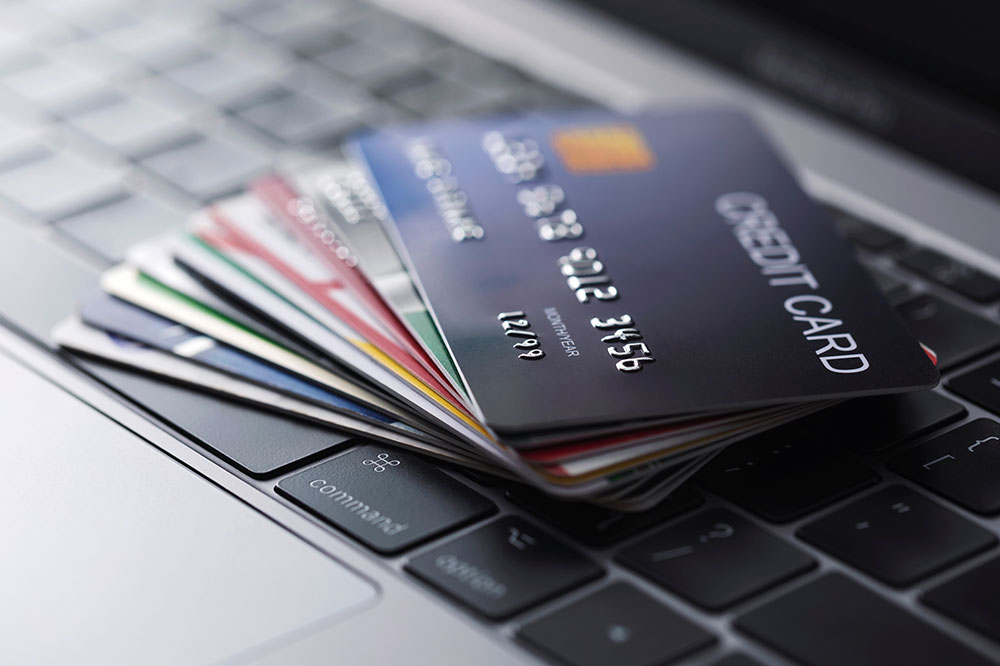
Credit cards offer an innovative payment solution where you can purchase products and book services in real time while paying for them later. A total balance of all expenditures accrues at the end of the billing cycle, where you can pay a minimum balance for the times when you are short on cash. But you need to use credit cards wisely as they can rack up significant bills that become too expensive to pay off.
Here are some common pitfalls you must avoid using credit cards.
Making payment mistakes
Having a credit card is tempting because you might not even notice the amount of debt that racks up with just a few swipes. But the bigger problem is not paying these debts on time. Yes, you do have the option of only paying the minimum balance so that the card doesn’t get canceled. But carrying over debt to the next payment cycle will only make it more difficult to ultimately pay the total dues. On top of it, you’ll end up paying interest on the unpaid portion. Even if there is a cash crunch, try paying off most of the bill so that no dues are pending. Also, missing your payment dates can greatly impact your credit score.
The bottom line, avoid paying only the minimum due and never miss a payment due date to stay clear of interest, late fees, and penalties.
Not having clarity about the charges
Credit cards carry fees for certain types of transactions. So, you need to know what the bank can charge. Typically, your credit card carries an annual fee that is chargeable in a single payment for account maintenance. Some banks waive off this fee as an exclusive perk for maintaining excellent credit scores. If you carry a balance month to month, be it for late or missed payments, banks will also charge an APR on purchases and payments. And when you have multiple cards, banks also charge a fee for balance transfers as a one-time debit. Late penalties and foreign transaction fees are some of the other charges (you might not even notice) that are levied on purchases and payments. So, learn about the card details well before using it so you don’t end up paying hefty charges for regular use.
Maxing out your card
Even if you can afford to pay for premium purchases, never max out your card and exhaust its complete balance. Utilization rate is one of the most important factors that impact the credit score. The lower your card utilization rate, the better will be your credit score. Alternatively, you can request the bank to increase your credit line so the rate remains unaffected despite your hefty purchases. Or you can split your expenses across multiple credit cards to ensure the utilization ratio maintains a low rate. Either way, never make the mistake of maxing out your card. It takes months, even years, to achieve a great credit score. But it will only take a few transactions to mess up all that hard work and consistency in keeping up with payments.
Applying for the wrong type of card
Know that there many different types of cards you can apply and use. Some credit cards are best suited for earning miles and reward points for travel and dining. Other cards carry low-interest rates and are more suited for balance transfers. Then there are cards that you can apply for specifically to earn shopping discounts and rebates with multiple brand partners. Each card has a specific benefit, so you’ll need to read the fine print to understand the type of card that works in your favor. Never rush to apply for any credit card with a lucrative offer. Take your time and compare these benefits. Speak to customer service executives if you are unsure about the type of cards.
Impulsively applying for cards
Many banks and financial institutions partner with superstores and megamalls to offer specific credit cards that earn you shopping and lifestyle points. But to save a small percentage of the total bill, you might end up buying unwanted things to rack up those rewards and points. These points might not be worth switching cards in the first place. So be very careful about the type of sponsored cards you apply and use. These retail credit cards also carry a hefty interest rate. If you miss a payment or carry a monthly balance, the penalties and late payment fees will certainly put you overboard on the budget.
Not applying for a separate international card
Most credit cards can be used for making merchant banking payments overseas. You can easily make purchases and pay for services without worrying too much about carrying converted currency all the time. You can apply for a credit card that carries no foreign transaction fees for exactly this reason. If you pick a Visa or Mastercard network credit card, you’ll also get better exchange rates for currency. Never make the mistake of exchanging cash at the airport. You can even use the card to withdraw cash at a foreign location for a nominal transaction fee.
Using the card to pay healthcare bills
Healthcare costs can really put a major dent in your monthly budget, especially for online treatments and prescriptions. Generally, it is advisable to avoid paying for these blocks of expenses using only a credit card. If you are unable to pay off the balance at the end of the month, you’ll incur additional expenses to balance transfer and carry forward bills. Use a credit card for healthcare purposes only when you are sure that these transactions can be adjusted adequately. It is always better to consider opting for a payment scheme with the healthcare provider that insurance can also cover in case a lump sum payment is not possible. Weigh in your options smartly before making these payments.