7 foods to avoid to manage atrial fibrillation
Atrial fibrillation, also known as AFib, is a health condition characterized by irregular and rapid heart rhythm. Affecting millions worldwide, one’s lifestyle and nutritional choices can significantly impact the condition. Certain foods and beverages can worsen AFib symptoms, leading to heart palpitations, shortness of breath, and discomfort. Some common foods to avoid while dealing with atrial fibrillation symptoms and to support one’s heart health, in the long run are listed below.
Wheat
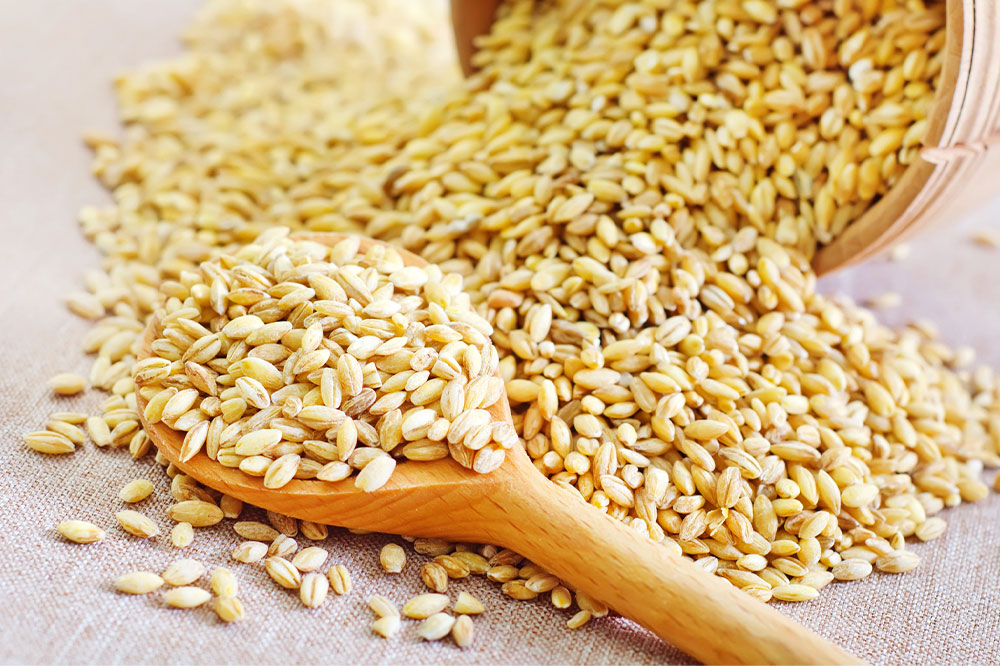
People with gluten intolerance or sensitivity and conditions like celiac disease must avoid gluten-containing foods like wheat and barley as they can trigger inflammation in the body. It can cause the heart’s natural pacemaker nerves to malfunction or impact how they work. To better understand the connection between gluten intake and atrial fibrillation episodes, it is better to maintain a journal. It will help track symptoms and help a healthcare professional analyze if the gluten triggers the condition. People who do not have any diagnosed issues associated with gluten can include gluten-containing foods in their meals without any complications.
Salt
Salt adds taste to food, but it also adds pressure to the blood flow. For patients with high blood pressure, atrial fibrillation, and other cardiac conditions, it is crucial to avoid excessive amounts of salt in foods. It is not restricted to food that is being ordered from eateries or that comes packaged and processed. Increased salt intake can increase the blood pressure of the patient. It increases their risk of experiencing symptoms associated with atrial fibrillation. The recommended intake of salt by the experts is 1500 mg for people with high blood pressure.
Coffee
A difficult decision for any caffeine lover is to dial back on the amount of coffee they drink during the day. Furthermore, if a person has been diagnosed with atrial fibrillation, this is an inevitable decision that needs to be made sooner rather than later. Excessive caffeine intake can worsen atrial fibrillation in patients and exacerbate its symptoms. Patients must also carefully read the labels and be mindful of other beverages they include in their daily fluid intake. There are numerous sodas, health drinks, and teas that also contain caffeine that most people might not be aware of.
Another thing to check is if any ongoing treatment contains caffeine. At times, herbal teas might also contain natural supplements that can carry high caffeine content, making it important to avoid such teas and supplements. Caffeine is a stimulant, and this property is one of the main reasons why doctors suggest avoiding caffeine or opting for alternatives to manage atrial fibrillation and other arrhythmias better.
Fries
Avoiding processed foods is important for maintaining general health and keeping health conditions like AFib at bay. These foods are satiating to the taste buds and are formulated to facilitate cravings. However, the problem with processed foods is that they can impact the patient’s blood pressure, worsening atrial fibrillation. The excessive salt and other harmful contents of foods like fried foods, salty snacks, and chips can increase blood volume. It eventually increases the pressure on the heart and might trigger atrial fibrillation episodes in some patients. The high sodium levels in these foods lead to the depletion of potassium – a vital mineral that aids in the normal functioning of the heart. Banana is also an excellent alternative for AFib patients using diuretics to maintain their blood pressure levels.
Grapefruit
Grapefruit is generally considered a highly healthy addition to any meal. It is rich in vitamin C and other vital antioxidants and nutrients. However, for patients with atrial fibrillation, it can be an invitation for trouble. Including grapefruit in the meal plan can spike the contents of treatment compounds in the patient’s bloodstream, which can produce undesirable results. Patients who are using a specific anticoagulant prescribed by their healthcare provider can be at a higher risk of bleeding, as grapefruit can cause their blood to become thinner. It is, therefore, necessary to add or remove foods like grapefruit from the menu after consulting a nutritional expert.
Cranberry juice
Despite being a tasty and somewhat healthy way of rehydrating yourself, cranberry juice isn’t high on the list of healthy foods for people with atrial fibrillation, mainly when the patient has been prescribed the use of anticoagulants by the doctor. The problem with cranberry juice is that it increases the number of anticoagulants in the patient’s system and can increase the risk of bleeding. However, this is specific to the use of certain anticoagulants. Patients must consult their doctors about drinking cranberry juice regularly or periodically if they have AFib. Patients dealing with both atrial fibrillation and diabetes will also need to steer clear of fruit juices in general. It can dangerously increase their blood sugar levels and trigger their symptoms. It is better to stick to whole foods instead of juicing them.
Spinach
Another food item to avoid adding to the meal plates is leafy green vegetables, especially when the patient is undergoing prescription therapy for managing AFib symptoms. Leafy green vegetables like kale, spinach, asparagus, celery, and others are a rich source of vitamin K. It aids in blood clotting and prevents excessive bleeding. However, high levels of vitamin K also interfere with the action of prescription remedies. However, not all patients will be advised to avoid foods and drinks comprising leafy green vegetables. It is best to consult a doctor about including vegetables in daily meals and their effect on heart conditions.
Atrial fibrillation is a severe heart disease that can increase a person’s risk of stroke and heart failure if left untreated. Healthy nutritional changes can go a long way in managing symptoms and maintaining optimum heart health. Always consult a healthcare professional or nutritional expert before making changes to one’s daily meal plan.