7 Medical Conditions That Can Trigger Hair Loss
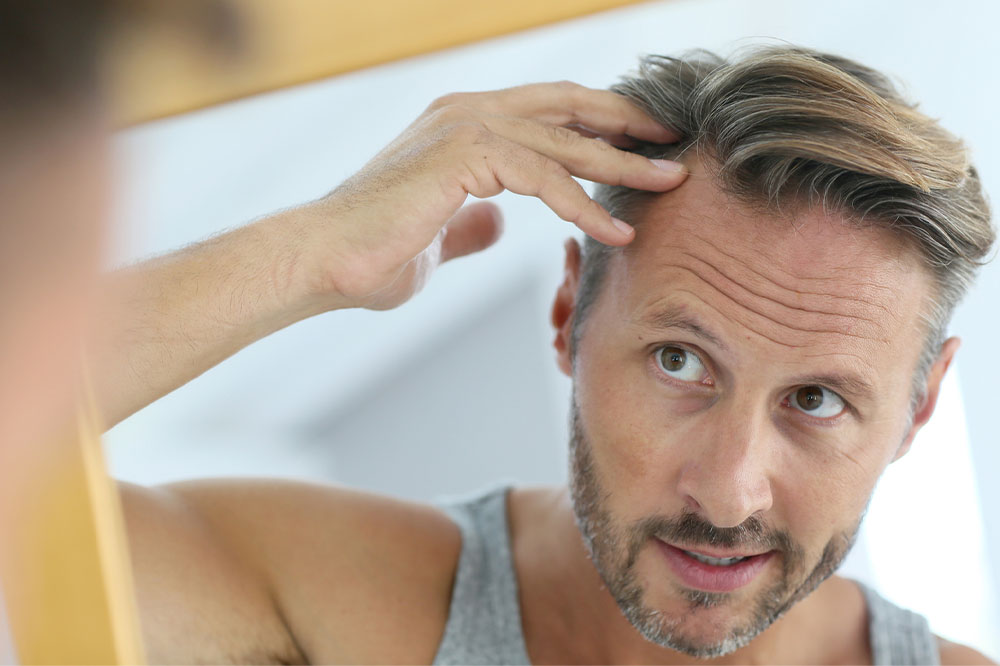
It is normal to lose fifty to one hundred hairs per day. This suggests that new hair is replacing the existing hair as the hair goes through its natural growth cycle. Alopecia, which is another name for hair loss, however, denotes a more serious health condition where a person loses more than a hundred strands every day. Here are several underlying diseases that may be the cause of the hair loss.
What are the indications of severe hair loss?
Hair loss caused by illnesses can appear in different ways. For some, the signs may appear suddenly, and for others, they may only be visible over a period.
Some general signs include:
Bald patches on the scalp
Broken hair
Redness or swelling on the scalp
Sudden thinning of hair
Loss of hair in the beard, eyebrows, or elsewhere in the body
Which diseases trigger hair loss?
Here are some health conditions that may trigger hair loss in some people:
Lupus
Lupus is an autoimmune condition in which one’s immune system cannot differentiate between the body’s healthy cells and the foreign bodies and begins attacking them.
Hair loss is one of the most common signs of lupus and occurs when the inflammation affects the scalp. According to Novel Insights from Clinical Practice, it may either cause hair to fall out in bunches or cause gradual hair thinning at the front of the scalp, known as ‘lupus hair’ or non-scarring alopecia.
When accompanied by thick red sores, lupus results in scarring alopecia. At times, treatments that control lupus symptoms also result in hair loss. The best way to manage lupus-induced hair loss is to prevent frequent flare-ups. This can be done by:
Avoiding going out in the sun
Eating healthy meals and exercising
Managing stress
Getting sufficient amount of rest
Hormonal problems
According to the International Journal of Molecular Sciences, there is a close connection between various hormones and the hair cycle. In female-pattern hair loss, excess androgen causes the shedding of hairs, while in male-pattern hair loss, high dihydrotestosterone levels lead to this condition. These hormones decide how much time the hair will spend in the growth phase.
Any imbalances in the levels of these hormones may lead to hair loss and other health problems.
Alopecia areata
According to Nature Reviews Disease Primers, alopecia areata affects close to 2 percent of the general population at least once during their lifetime. It is an autoimmune condition that affects the scalp and the skin, causing the hair to fall out.
While there is no known effective treatment for alopecia areata , things like ointments or other prescription treatments can help reduce hair fall to some extent. Eating foods rich in anti-inflammatory compounds and exercising are good ways to reduce the impact of this condition and improve the treatment outcome.
Eating disorders
A negative body image, chronic stress, or depression may lead to eating disorders. These are of various types, including bulimia nervosa, binge eating disorder, and anorexia nervosa.
A person suffering from these conditions may eat too much or too little, which often leads to malnourishment and impacts overall health .
Malnutrition leads to the reduction of keratin protein in the body, without which the hair begins to thin or fall out. Some ways to combat eating disorder-induced hair loss are:
Psychological counseling
Having a support group of family and friends
Consulting a nutritionist about various ways to include healthy foods in one’s daily meal plans
Iron-deficiency
According to the Journal of the American Academy of Dermatology, iron deficiency is the most common nutritional deficiency in the world. Due to this condition, one’s hemoglobin levels deplete when there is no enough iron in the body.
This affects the oxygen distribution in the body and impacts the growth of hair cells leading to hair loss. If a person has been diagnosed with iron deficiency anemia, having iron-rich foods such as leafy greens, fish, legumes, and fortified cereals may help to overcome the insufficiency.
Thyroid problems
Severe thyroid problems like hyperthyroidism (overactive thyroid) and hypothyroidism (underactive thyroid) are both known to contribute to hair loss. In both these conditions, thyroid hormone production is disrupted.
This hormone is known to play an important role in the growth and maintenance of hair follicles. Hair loss may occur when there isn’t enough thyroid hormone, or there is too much of it. At times, treatments taken for hyperthyroidism may also lead to hair loss. To manage thyroid problems-related hair loss, one can make some lifestyle changes such as:
Including more fish, leafy vegetables, and protein-rich food in one’s daily meal plan
Taking steps to manage stress
Staying active
Keeping the body hydrated
Telogen effluvium
According to the Journal of Clinical and Diagnostic Research, Telogen effluvium is one of the most common causes of hair loss. This is a condition in which there is non-scarring hair loss on the scalp, usually after a triggering event. Some of these triggers include:
Physical trauma, such as an injury or blood loss
Prolonged exposure to toxins and heavy metals
Pregnancy-induced hormonal changes
Long-term dependence on certain types of prescription treatments
Nutritional deficiencies
The hair loss resulting from this condition lasts for around 6 months, after which the follicles start to regrow. It can be managed by taking certain steps such as:
Eating balanced and healthy meals
Reducing environmental toxins
Managing stress with meditation and exercise
Conclusion
While several other medical reasons can lead to hair loss, those mentioned above are amongst the most common causes. Everyone suffering from these conditions may not experience hair loss. It is also influenced by other factors such as a family history of hair loss, environmental factors, excessive usage of styling products, etc. If one experiences sudden hair loss, one must consult a healthcare provider to get it diagnosed at the earliest.