7 reasons to buy a cruise insurance
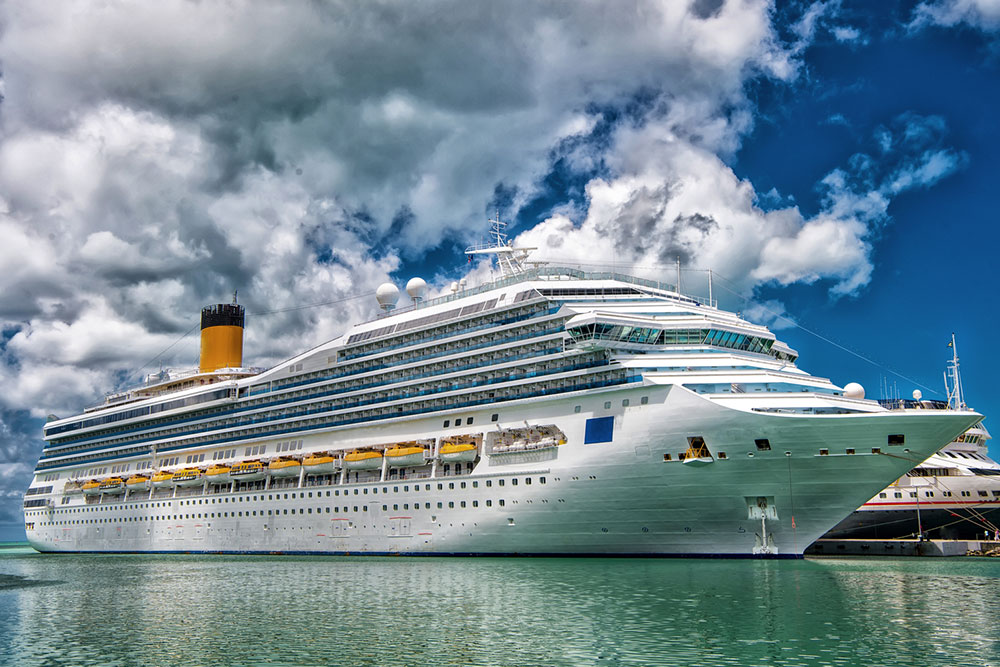
There’s nothing like taking a much-needed break from one’s daily grind and embarking on a cruise once in a while. A cruise has everything from the best accommodation facilities to world-class amenities and visits to enchanting destinations. But while planning a fun-filled holiday, one should also understand the measures to be taken to prevent financial problems caused by factors one cannot control. One such safety measure is buying a cruise insurance plan.
Reasons to buy cruise insurance
1. Coverage during health emergencies
Health emergencies cannot be predicted, no matter how many precautions one may take. That’s why it is always better to be financially prepared for such instances. Cruise insurance ensures that one receives financial aid in case of sudden health problems, accidents, injuries, etc., while on a cruise. Many popular cruise insurance policies reimburse a significant lump-sum amount if a person experiences any health issue or emergency.
2. Reimbursement of trip cancellation charges
The cancellation of a trip because of reasons beyond one’s control not only causes disappointment but also leads to a colossal loss of money. Fortunately, cruise insurance policies have one covered in terms of the latter. If a cruise trip suddenly gets canceled because of unpredictable factors like a health emergency, a natural disaster, an economic crisis, or some issue at the organizer’s end, cruise insurance policies pay for the loss incurred by the cruisers. Such aid can provide considerable relief for travelers, who may have spent a huge aggregate amount on booking the trip.
3. Compensation for loss or delay of belongings
Although the loss of belongings or delays in luggage arrival are more common in flight journeys than on cruises, one cannot completely rule out the possibility. In such cases, insurance policies can help recover one’s luggage quickly and provide financial compensation for loss of luggage in transit. Finally, if the policyholder has had to buy some product or provide a service urgently during an emergency, many policies also provide financial relief for such expenditures.
4. Financial aid if one misses the cruise due to pressing circumstances
Sometimes, as enthusiastic as one may be to set off on a cruise, they might have to miss it because of unavoidable, unexpected circumstances. For example, if one meets with an accident a few days before or when arriving for the cruise, one must cancel the trip at the last minute. Factors like unpredictable traffic jams may cause delays, leading to cancellations of last-minute trips. In such circumstances, the cruise insurance company reimburses the trip booking amount.
5. Coverage for loss of documents and other valuables
When embarking on a cruise, one typically must carry important documents, such as a passport and visa. Many people also carry valuable items like jewelry, wallets, credit and debit cards, and cash on cruises. If any of these items are misplaced, it can lead to huge financial losses or problems traveling back home. To avoid such issues, one should look for insurance policies that cover the loss of valuable items and help recover one’s lost documents efficiently.
6. Financial aid in case of security evacuation
In cases of political unrest or dangerous situations, passengers on a cruise may have to be urgently transported to a safe location. In such situations, those with cruise insurance may be financially covered—at least up to a certain amount—for the expenses involved in such evacuations.
7. Coverage for trip interruptions
Many insurance policies also reimburse if one’s trip is interrupted or cut short because of unexpected situations. Many insurance policies cover such trip interruptions and might either be directly included in the policy or as an add-on.
How to choose the right cruise insurance policy
1. Check all the inclusions carefully
A cruise insurance policy shouldn’t be restricted to health emergencies—it should also cover other aspects like unexpected cancellations, trip interruptions, loss or delay of luggage, and loss of valuables. So, it’s important to check out everything a cruise insurance plan includes before buying it.
2. Compare premium amounts of different policies
Different cruise insurance policies may have different premiums, but one should look for policies whose premiums fall within one’s budget limit. At the same time, the policy should financially compensate one for the abovementioned aspects. The best bet is to check out the premiums of various cruise insurance plans and make a careful decision based on their coverage.
3. Browse all the add-ons
Sometimes, insurance policies may not offer certain coverages directly but instead as add-ons. One should look at all the add-ons an insurance policy offers and use the relevant ones to be financially prepared for any type of emergency while on a cruise.
4. Declare any pre-existing health conditions
It is essential to be honest and clear about any health conditions that one may already have and whether one is currently being treated for such health issues. The more transparent one is about existing health issues, the more likely a policy will be approved.
5. Read the terms and conditions carefully
Read the terms and conditions of a travel insurance policy carefully, as this can help avoid complications later. It is also important to ask the company any questions right at the outset.