8 mistakes every new hearing aid owner must avoid
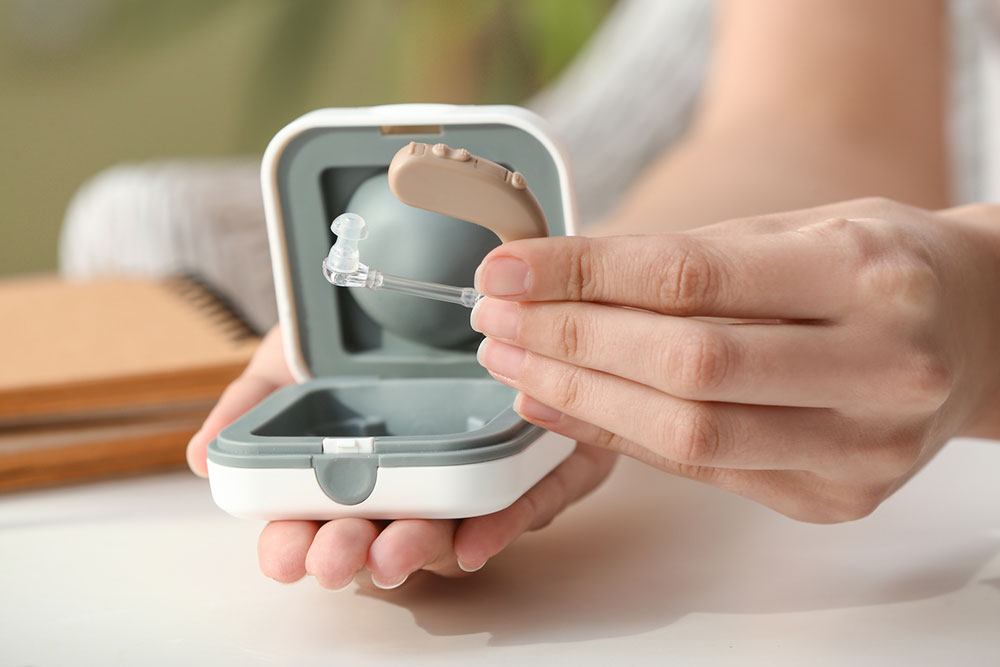
While hearing is an indispensable sense that connects one with the world around, hearing loss is a largely prevalent issue that can significantly impact one’s life. About 2-3 out of every 1,000 children are born with diagnosable levels of hearing loss in one or both ears. Today, technological advancements have facilitated several interventions, including hearing aids, to enhance hearing. Here are some common mistakes that new hearing aid owners should avoid:
Not controlling volume effectively
It is essential to regulate the volume of one’s hearing aid, as excessive use can worsen hearing difficulties with time. Thus, it is important to know where the volume controls are located in the hearing aid and how the volume should be changed or adjusted.
Overlooking the adjustment phase
For individuals grappling with hearing loss over long periods, all sounds may be excessively loud upon putting on hearing aids. Such loudness may initially cause fatigue among new hearing-aid users. This phenomenon, called hearing-related fatigue, is quite typical. Unfortunately, many individuals quit using their hearing aids at this stage to avoid this fatigue. However, it is important to persevere during the adjustment phase, opting for strategies like regulating the volumes of one’s TV, radio, etc., wearing hearing aids for shorter periods initially, and not adjusting the hearing aid volume too frequently.
Not maintaining the hearing aid
Hearing aids should be maintained well to ensure their optimal functioning even with the passage of time. It is important to check and clean the hearing aid daily. Moreover, one should remove the batteries periodically and clean the battery contacts, removing dust particles with a clean cloth.
Failing to check whether the hearing aid is water-resistant
Today, many hearing aids are water-resistant and may be worn while showering, swimming, etc. However, hearing aids that are not waterproof may get damaged due to water exposure. Therefore, before buying a hearing aid, one should check whether the hearing aid is water-resistant. If not, one should either avoid buying such hearing aids or remove them without fail before stepping in the shower or pool.
Wearing only one hearing aid
Although in some cases, individuals may require only one hearing aid, most people can make the most of hearing aids when they wear them on both their ears. Therefore, to ensure optimal use of one’s hearing aids, it is important to wear hearing aids on both the ears.
Buying an outdated hearing aid
Today, most hearing aids are equipped with cutting-edge technology features, including Bluetooth, which enables one to pair their smartphones with their hearing aids, automatic telephone detection for direct streaming from one’s phone to the hearing aid, and directional microphones, which enhance one’s hearing amid noisy environments. Many hearing aids are also equipped with speech enhancement technology, which significantly enhances one’s understanding of conversations. Such features enhance the quality of life for persons with hearing difficulties. New hearing-aid users should check for such features while buying a hearing aid.
Not carrying a spare battery along
While alkaline batteries in hearing aids are long-lasting, it is unpredictable when the battery levels may die. Consequently, it is a good idea to carry a spare battery along. Moreover, individuals using hearing aids with rechargeable batteries should also carry a charger along. It is also advisable to opt for hearing aids with a warning for low battery.
Using volume control excessively
While adjusting the volume of the hearing aid is essential, regulating the volume of hearing aids too often may be an indication that the device is not suitable for the individual. In such cases, the best bet is to consult an audiologist and get one’s hearing aid changed.
Handy tips for new hearing-aid owners
Start using hearing aids for shorter periods first
Transitioning to hearing aids may be a challenging process for many. However, this phenomenon is completely normal, and the solution is to start using hearing aids for shorter periods first, increasing the time period gradually. The more one uses hearing aids within short intervals, the more likely one is to get accustomed to it.
Do not ignore signs of discomfort
In some cases, individuals may hear whistling sounds or may have to re-adjust the hearing-aid volume frequently. New hearing aid owners should not ignore such signs of discomfort and should promptly consult an audiologist. Getting one’s hearing aids changed promptly can help overcome such issues.
Integrate visual and auditory inputs
Simultaneously reading and listening to words can help one’s brain connect sounds and language well. Some ways to simultaneously read and listen include watching television while reading subtitles and listening to the audio, and listening to an audiobook while reading its text version.
Maintain the device well
Optimal maintenance of hearing aids is essential to ensure that it is durable. One should clean the hearing aid frequently and avoid placing it in areas that collect dust easily. Getting it professionally tested is also important to ensure its optimal functioning over time.
Read the instructions carefully
Finally, while buying hearing aids, one should read all the instructions carefully and follow them throughout to ensure optimal hearing and prevent discomfort. It is important to have any questions clarified beforehand so that one does not face any problems later. Seeking timely help and guidance is essential to make the best use of one’s hearing aid.