8 mistakes to avoid when buying wearable medical devices
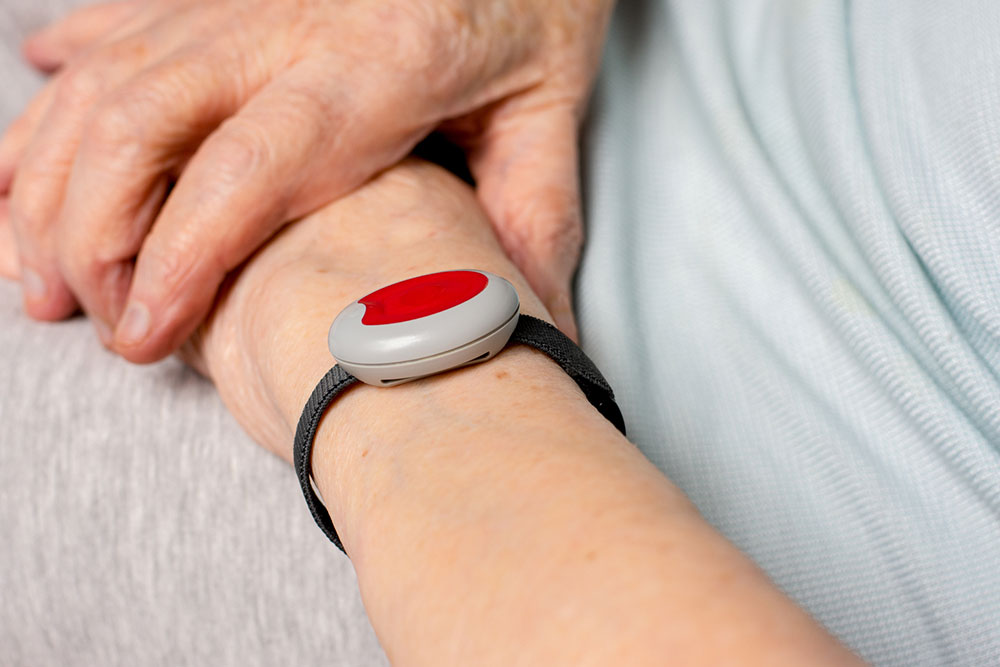
These days, medical technology isn’t limited to a distant machine available only at the doctor’s clinic. Wearable medical devices have redefined monitoring of body parameters, making it incredibly easy to ensure physical well-being right at home or even when traveling. Wearable medical devices have brought general healthcare closer to people and help prevent and diagnose any health issues early. However, buying the right wearable medical devices involves research and avoiding certain mistakes.
1. Not checking battery life
Battery life is an important feature when checking wearable medical devices because it increases their convenience, especially if one travels and cannot charge them repeatedly. Also, if a person uses wearable ECG monitors and other devices, charging them frequently can be difficult. So, one should always ensure that such devices have long battery lives.
2. Overlooking the device’s resilience to different conditions
People often have their wearable devices on themselves for almost an entire day. So, they might even have it on when stepping into the shower or stepping out during rain. Such wearable devices must be resilient to extreme weather conditions, including waterproofing, to avoid such issues. The manufacturers should be transparent about the materials used to manufacture the product and specify that the device is water and weather-resistant.
3. Not paying attention to design and size
Wearable medical devices should balance being small enough to be worn easily and large enough to provide clear readings. As a result, manufacturing a wearable medical device is a work of expertise. The designs of these devices should be tactfully done to meet size requirements. It helps to try on these devices to gauge comfort level and detect size constraints before buying the product.
4. Overlooking the company’s expertise and experience
It is crucial to consider the manufacturing company’s experience and expertise in medical technology and its ability to manufacture wearable medical devices that meet specific user requirements. The company should employ professionals with strong technical expertise in hardware, software, mobile technology, and electronics to integrate these aspects to deliver the best solutions to customers. Also, the company should be reputed in medical technology, with positive reviews from other consumers.
5. Failing to check the device’s connectivity options
Besides excellent connectivity, wearable devices should offer multiple connectivity options, including Wi-Fi, cellular connections, and Bluetooth Low Energy (BLE). Essentially, the data that the device collects should be easily accessible so that one can analyze it actively and present it to a healthcare professional.
6. Not buying a device for a specific health condition
If someone has an existing health condition, purchasing a device that can accurately track the specific parameters related to that condition is important. For instance, patients with high sugar levels would benefit from purchasing a glucose monitor. In contrast, individuals with a history of heart problems or those at a high risk of developing one could benefit from a wearable ECG monitor to measure their heart rate. Therefore, before purchasing a wearable medical device, one must evaluate personal requirements based on consultations with a doctor, medical reports, etc., and choose devices that can accurately measure the associated parameters.
7. Not consulting a doctor before and while using the device
Although wearable medical devices are easily available, avoiding making these decisions alone is best. One should consult a healthcare professional and take all the necessary tests to diagnose any health issue. After this, the doctor should suggest the ideal wearable device to monitor a certain aspect, such as blood sugar levels or heart rate. It is only after this consultation that one should buy a suitable device. Also, even while using the device, one should regularly present the data to one’s doctor and actively take their suggestions and health advice.
8. Not checking the device’s warranty period
It is important to check the warranty period for wearable medical devices, just as for any other equipment or gadget. This ensures that one is financially protected if defects are discovered within a specific timeframe. A warranty period of at least one year is ideal for wearable medical devices. By keeping this in mind, one can make informed decisions when buying and using such devices.
Common wearable medical devices
Continuous Glucose Monitors (CGM)
These are small disks worn on the back of one’s upper arm, used to measure glucose levels in the body. The device should be worn continuously to measure blood sugar levels at any given point. It consists of a sensor and is usually placed on the abdomen or upper arm with a transmitter that sends data to a display device, like a phone or a watch.
Wearable blood pressure monitors
These devices detect blood pressure at the wrist and monitor daily fluctuations. This way, one can accurately gauge what factors might be causing these fluxes and make lifestyle changes to control the levels.
Wearable ECG monitors
These devices effectively monitor one’s heart rate and are often very useful in detecting the onset of heart conditions like arrhythmia, heart attack, and atrial fibrillation. Wearable ECG monitors are usually available as patches or watches.
Wearable fitness trackers
From counting the steps one has walked to one’s oxygen levels, fitness trackers can help significantly monitor one’s daily health parameters. Nowadays, most fitness trackers are available as smart watches with multiple advanced functions.