8 Questions to Ask an Ophthalmologist
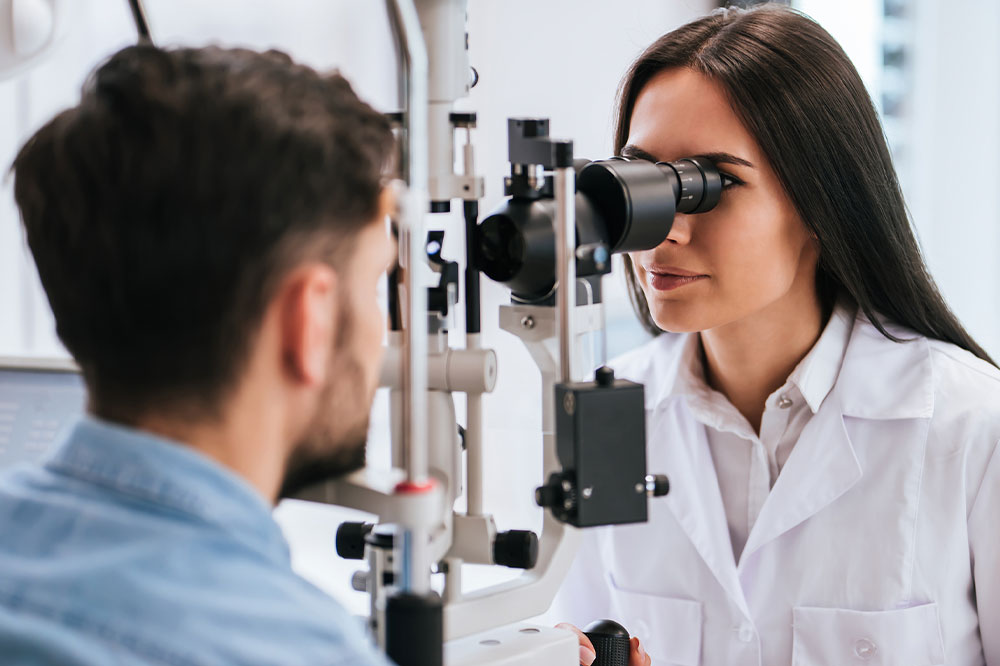
An ophthalmologist, or an eye doctor, is a qualified expert who diagnoses and treats conditions to maintain optimal eye health. When one visits an ophthalmologist, they can ask specific questions, either about their particular health concern or general doubts. However, it is quite common to go entirely blank when at the doctor’s and forget half the things that need to be asked. So, here’s a brief checklist of vital questions to ask an ophthalmologist.
Which tests will be performed?
Whenever you visit a doctor, it is reassuring to know what procedures or tests they will perform or are considering. Most people visiting ophthalmologists are ridden with anxiety about this aspect, so asking this particular question can soothe your nerves and make future visits and eye exams less stressful.
While eye doctors perform eye tests, you can also carefully view their instruments and ask why certain tests are being conducted. It is advisable to discuss any concerns about the health condition or probable side effects you may face since this will also help set your mind at ease about the future. Finally, this question is also helpful in making future preparations. So, if a particular test or eye exam will interfere with your eyesight or alertness for a few hours, you can arrange for someone to drive you home from the ophthalmologist’s clinic afterward.
How can I tell if my child has a vision problem?
Many parents tend to schedule regular check-ups for their children with their family doctor to be updated on any possible health issues, so annual visits to the ophthalmologist should also be the norm. An ophthalmologist can provide a detailed written summary of a child’s eye condition as an answer to this question. Moreover, the doctor will also inform the parents about specific long and short-term vision problems faced by their child, and whether any of those can affect their overall vision or health.
It is not uncommon for children to suffer from vision-related issues such as astigmatism, myopia, and hyperopia, each of which can be corrected if treatments, contact lenses, and glasses usage are started at a young age. Such eye conditions can be addressed and nipped in the bud when eye doctors provide a structured glasses-wearing schedule and lifestyle habit changes as a part of a child’s vision correction program. All in all, this seemingly simple question to an eye doctor can be incredibly helpful for a child’s eye health, confidence, and overall health.
Are my digital devices affecting my eyes and, if so, what I can do about it?
The correlation between digital device usage and poor eye health is well known. So, in a country wherein over 80% of people spend more than 2 hours every day glued to a smartphone, tablet, television, laptop, or other digital devices, this question is definitely something one can ask their ophthalmologist. Hours of screen time cause digital eye strain, a condition in which people experience symptoms such as headaches, blurred vision, eye strain, dry eyes, and neck and shoulder pain.
Eye doctors can help in this situation in two ways. Firstly they can recommend innovative ways to reduce one’s screen time. On top of that, they can also offer several tips on how to find relief from digital device-caused eye problems, including contact lens usage, prescription-based solutions, helpful eye exercises, and lighting adjustment in one’s home.
What do these numbers mean?
Eye doctors advise people to use eyeglasses or contact lenses with a certain number. Apart from the recommendation, an eye doctor can explain these numbers and their significance to their clients and also the rationale behind the device’s importance. Having an understanding of these numbers can help people purchase the right eyeglasses or lenses. Certain clients require lenses and glasses of different numbers for both eyes, so doctors can inform them exactly why they need to purchase vision-powering tools containing seemingly mystery numbers.
What is my risk of losing my reading vision in the next 5 years?
A common, recurring nightmare for most people is losing their reading vision (presbyopia). As you age, you are likelier to find it challenging to read small fonts, texts with low contrast, lighter colors, and more. Thus, it is advisable to ask this question to your eye doctor without fearing their answer so you may prepare for the future. Also, progressively declining reading vision is a common symptom of Age-Related Macular Degeneration (AMD). Ophthalmologists provide an estimated answer to this question after conducting tests to evaluate a person’s drusen (little white spots under the retina), the status of their cornea, and pigmentation inconsistencies in either of their eyes. AMD may carry a sense of inevitability, but with proper treatment and lifestyle changes (recommended by the ophthalmologist), people can have a good chance of keeping their reading vision for the long term.
Would new glasses help me see better?
A standard response to this question would be either a yes or a no. In case the answer is a no, that means that the glasses your eye doctor recommends are only a stop-gap solution. In such cases, the ophthalmologist may have planned a long-term, multi-step program to correct your vision for good.
Do I need to take any particular steps to protect my eyes?
This is similar to the digital device question. Through their extensive experience and years of training, eye doctors know exactly which lifestyle habits, foods, and exercises are good or bad for their client’s eyes. So, they can bring all their experience into use to answer this question in a way that you know the habits and foods you need to stick with and the ones you must discard.
Are follow-up visits necessary?
This is usually one of the last questions you may want to ask your ophthalmologist after a test or surgery. Don’t forget to ask this question as it is vital to learn the follow-up steps post any procedure, and it is advisable to know the rough timeline for recovery.