8 Simple Tips To Prevent Hair Damage
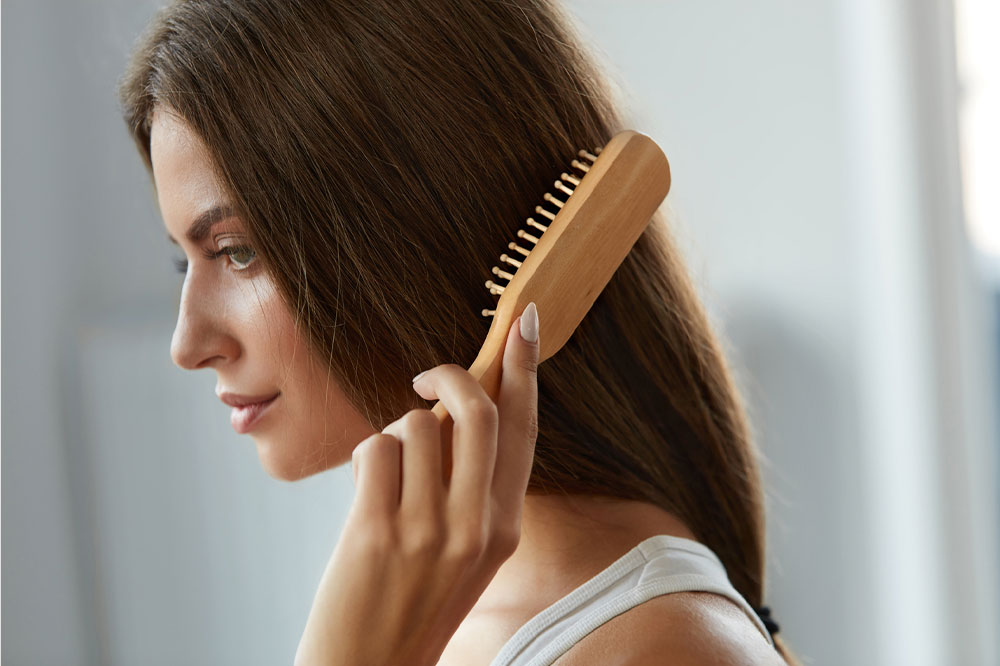
Most people have probably given in to using hair products, such as gels, dyes, and other items loaded with harmful chemicals. Many others might be dealing with natural conditions that damage the hair structure. It would result in conditions including the loss of hair in patches, split ends, and dandruff. But it’s not too late to get things back on track. Here are eight tips to improve and maintain the condition of your hair-
Bathe with lukewarm water
The scalp produces certain oils that serve as natural conditioners for the hair. But if one bathes with hot water, they risk stripping the head of these oils, which could cause shiny hair to turn dull. So you should avoid washing your hair with hot water. However, it doesn’t mean you have to shower with cold water. You could use lukewarm water to wash your hair and massage the scalp by using an appropriate shampoo while you’re at it.
Wash oily hair frequently
Typically, individuals may wash their hair every 2 to 3 days. However, the gap between each wash may vary among people. The duration between each wash should depend on the amount of oil the scalp produces. If the produced oil is excessive, one may need to wash it at least once daily. People with chemically treated hair might have a drier scalp and must wash it less frequently. One should also remember that the scalp produces less oil as the person ages. Therefore, such people may not need to shampoo that often. However, if the individual notices flakes in their hair, they might not be shampooing enough and might need to work on this aspect to prevent dandruff and other scalp-related conditions.
Leave wet hair untied after it is washed
People with busy schedules might find it best to tie their wet hair into a bun to get it out of the way. However, the hair strands are the weakest when they are wet. Moreover, if you tie up or braid hair too tight when sopping wet, the tension may increase as it dries. Furthermore, the usual problems that occur in a dry ponytail could worsen if the strands are damp. Therefore, after washing the hair, leave it untied to dry thoroughly before tying it in the desired shape.
Focus on healthy foods
The foods we eat can play a significant role in our overall health. Therefore, nutritious meals ensure that each hair strand receives the necessary nourishment. Adding fish and nuts to meal plans could introduce omega-3 fatty acids to promote a healthier scalp. It is pertinent to note that the hair is primarily made of protein. So including tofu, healthy meats, and plant-based proteins like beans is essential to maintain scalp health. Moreover, the energy derived from foods in the morning gives the body power to form hair cells. Therefore, one must follow a balanced and healthy meal plan during breakfast. However, be careful of unhealthy food choices, including margarine, baked goods, crackers, and foods rich in sugars, as these could damage the scalp.
Go outdoors
Going outdoors is another tip to help you manage hair health. Spending time in the sun helps improve vitamin D absorption by the skin. The property helps create new hair follicles, which is essential for hair growth. On the contrary, spending too much time in the sun could damage the scalp. It may dry out the hair, especially if it is color treated. Therefore, ensure that you limit and balance the time you are exposed to the sun. You could also use a light hair spray with broad-spectrum protection or wear a hat when the sun is strongest. Regular summer trims help keep the hair ends healthy and strengthen strands.
Protect the hair before a swim
While swimming is fun, an individual’s hair could suffer chlorine damage when immersed in the water for a long time. So before you enter the water, rinse it under the shower. If your tresses are saturated with water, they won’t absorb as much of the chemical. You could also use a shower cap before entering the pool to avoid adverse effects. Other ways to protect your hair when you go for a swim include using specially formulated swimmer shampoo. Using a deep conditioner after you’re done with the activity may also help replace any moisture lost from the hair.
Reduce the use of blow dryers
People use a blow dryer to save a few minutes during their styling routine. However, some reports suggest this device could eventually lead to hair loss. Those with finer hair are more susceptible to such damage because of the scalp’s increased exposure to heat. Still, the effects of a blow dryer could be damaging to all hair types, even those with thick manes. Therefore, while you could use the blow dryer to style your hair, ensure that you limit the time that your hair is exposed to the device. Alternatively, style your hair with a conditioner or heat-styling product.
Consult an expert
The tips above may help protect your hair to some extent. However, if you continue to notice damage to your hair, it is time to consult a trichologist. These hair health experts can help you find the best treatments and suggest lifestyle changes to improve the health of your scalp. Sometimes people get worried about the amount of hair loss in a day. It is pertinent to note that shedding between 50 to 100 strands of hair a day is considered normal. However, one should consult an expert if the hair loss exceeds this limit. Also, remember that even if you do not show any symptoms, you should visit a trichologist every few months to check for any developments and resolve them before it worsens.