9 habits and lifestyle choices that trigger heartburn
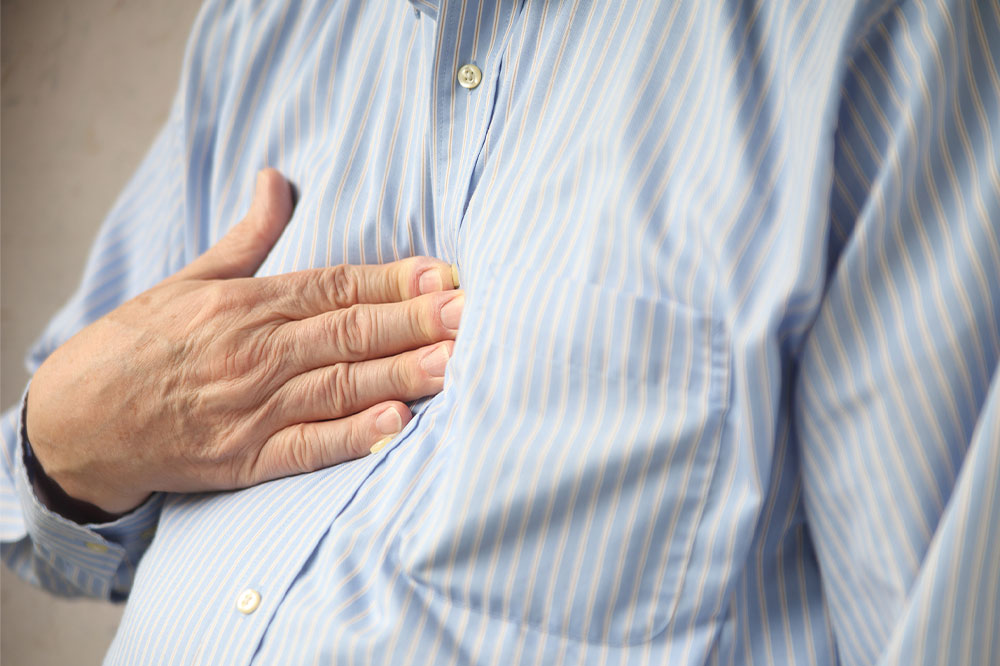
Acid reflux, commonly referred to as heartburn, is a discomfort that most adults experience on a regular basis. The stomach holds digestive juices that break down the foods and beverages consumed before moving them along the digestive tract. When these juices flow back up the esophagus, the resulting burning sensation and discomfort is called acid reflux. Here are some known causes, triggers, and habits that may inadvertently worsen the condition.
Having a large meal
The body can only absorb and process a certain amount of nutrients from foods and beverages consumed daily. Overeating only adds extra calories that remain unprocessed and adds to the body mass index, triggering the risk of high body fat, among other complications. Putting pressure on the stomach forces the gastric foods back up the esophagus. This happens as the esophageal sphincter relaxes, opening the valve connecting the end of the esophagus with the top of the stomach. The acidity content of these gastric juices is extremely high, and the upwards regurgitation is what triggers painful heartburn. Instead of having a large meal, doctors advise splitting up the same food into smaller portions and having smaller meals every couple of hours.
Wearing clothing that presses against the stomach
Wearing tight fitting clothes may be a stylish fashion choice, but this habit can trigger heartburn. Tight pants, jeans, or wearing tight accessories like belts and waistbands press against the stomach. Even if you don’t consume heavy meals and avoid beverages that lead to acidity, this extra pressure from tight fitting clothing pushes the stomach acids upwards. The added pressure also leaves the esophageal sphincter open, resulting in acid reflux.
Taking a nap after having food
One of the worst and severely underrated triggers of acid reflux is taking a nap immediately after having a small or large meal. The undigested food is still being broken down by the stomach acids and hasn’t moved along the digestive tract. So, lying down changes the direction of this natural movement, allowing stomach acids to flow back up the esophagus. Heartburn worsens if you lie down on the right side, as the curvature of the esophagus allows the stomach acid to pass up easily. Lying down after a heavy meal further relaxes the flap that prevents food from backing up the esophagus, worsening acid reflux discomfort.
Maintaining an unhealthy BMI
Overreacting and indulging in heavily processed foods and beverages increases the body’s mass significantly simply because it’s not possible to burn off all the calories consumed in a single day, even with a healthy workout regime. So, the excess calories are converted into fats to be stored in the abdominal region, leading to extra body fat. Not keeping track of calorie intake will further increase the pressure being put on the abdominal section. As a result, the buildup of pressure will force the stomach to regurgitate acid up the esophagus, resulting in painful heartburn.
Not chewing the foods properly
Some people get into the habit of eating fast and, as a result, don’t take the time and effort to completely chew the food. Bigger food portions entering the stomach and digestive tract take more time to be broken down. This also results in overcrowding inside the stomach, which pushes digestive juices up the esophageal tract. That said, irrespective of the quantity, it is also necessary to chew out the foods properly to promote quick and pain-free digestion.
Eating highly acidic foods and beverages
Citrus is naturally found in fruits and vegetables that one might consume daily, including tomatoes, limes, lemons, oranges, among a few others. These acidic fruits and veggies churn up the stomach acids, causing a reflux. Even consuming a small amount can trigger heartburn pain and discomfort. Also, carbonated beverages, flavored sodas, and sugary beverages are bad for regular consumption as these beverages contain additives, preservatives, artificial flavorings that worsen acid reflux. Even consuming foods that are very spicy or are deep fried rich in saturated fats and salts churn can lead to acid reflux. One must keep track of these foods and beverages while eating and make note of the triggers separately to avoid the same the next time.
Taking stress
Stress triggers an increase in cortisol levels throughout the body. As a result, one’s immunity is affected, causing disruption in normal organ and body functions. Continued stress or anxiety is also bad for the digestive tract as it can result in indigestion, followed by heartburn. One might notice these symptoms right after experiencing stress, where the acid backwash triggers pain in the lower end of the esophagus.
Exercising after a heavy meal
Exercise helps the body burn calories consumed, but it is never a good idea to exercise immediately after consuming a heavy meal. One might experience stomach cramps, muscle pain, and bloating, leading to acid reflux triggered by stomach acids churned up inside the esophagus. Also, rigorous activities like running, jogging, lifting weights, and anything that boosts the cardiovascular function will further worsen acid reflux due to the rapid movements.
Daily dose prescriptions
Common prescriptions given to manage the risk of high blood pressure, high blood sugar, bone and joint problems like arthritis, osteoporosis, and cognitive problems can also trigger heartburn symptoms. In fact, heartburn is listed as a known side effect triggered after taking a prescription for managing asthma, seasonal allergies, and urinary tract infections. Certain types of painkillers, antidepressants, and muscle relaxers can also trigger heartburn if the dosage is continued for prolonged periods.
Not all triggers will be similar in terms of the severity of the symptoms. Also, underlying digestive problems, health complications, and poor lifestyle choices will influence the severity of these symptoms.