9 tips for changing the oil and filter on Dodge vehicles
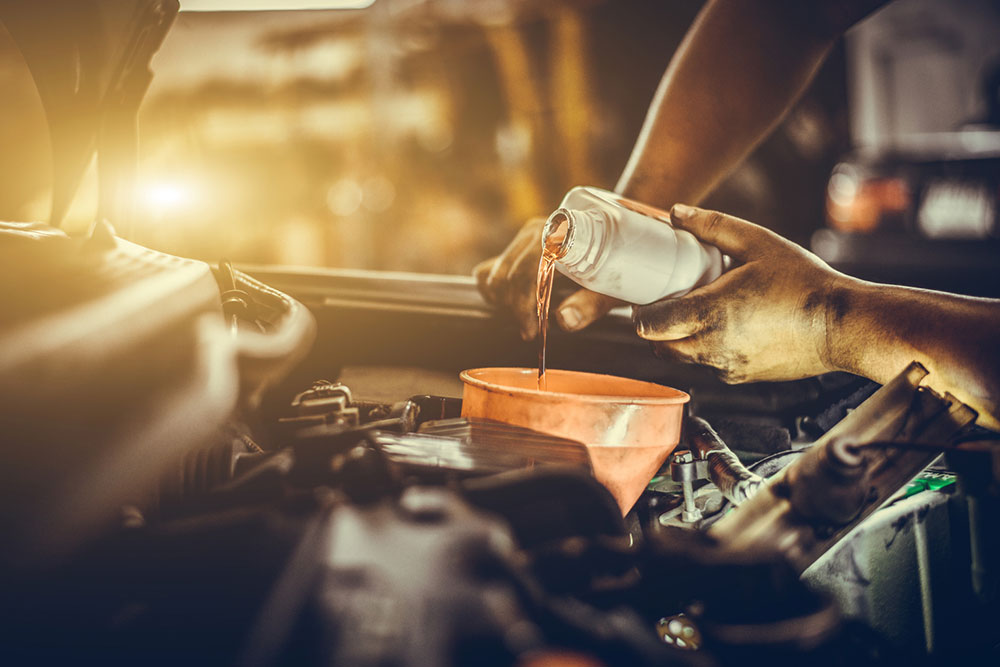
Dodge is a famous automobile manufacturer with an excellent lineup of trucks and SUVs. While its vehicles are known for performance and durability, they must be maintained well. A fundamental aspect of car upkeep is changing the oil and filters regularly. Whether one owns a robust Dodge truck or a versatile SUV, understanding the nuances of oil and filter changes can help the automobile run smoothly and extend its lifespan.
The function of oil and filters in a vehicle
Engine oil is a lubricating fluid that circulates throughout the engine to reduce friction between moving parts, dissipate heat, and protect against wear and tear. The oil filter is responsible for removing impurities and contaminants from the engine oil. The filter is replaced during routine oil changes to maintain its filtration capabilities.
Tips for changing oil and filters in vehicles
Oil and filters play crucial roles in the vehicle’s engine, ensuring it operates efficiently and remains in good condition. If one follows these tips, it will not only ensure engine longevity but also contribute to better fuel efficiency and reduced emissions:
Use the right tools and materials
Before starting, it’s important to gather all the right tools. One will need an oil filter wrench to remove the old filter, a container to catch the old oil (like an oil drain pan), a set of sockets or wrenches, a funnel to pour in new oil, a new oil filter, and the right type and sufficient amount of oil. Using the right tools and materials not only simplifies the process but also ensures one performs the oil change accurately and safely.
Have safety gear handy
One should always work in a place where there’s fresh air and put on safety gear like gloves and safety glasses for protection. Gloves defend one’s hands from contact with hot oil, sharp tools, and potentially harmful chemicals, preventing burns and cuts. Safety glasses, on the other hand, shield the eyes from splashing oil and debris.
Warm up the engine
Cold engine oil is thicker and flows less freely. Warming up the oil can make it easier to drain out later during the oil change. As the oil warms up, it also suspends and carries away contaminants like dirt and debris, which might have settled in the engine. To warm the oil, one can start the car and let it run for a few minutes before beginning the work.
Use the right oil and filter
A particular Dodge model and engine type may require a specific oil viscosity and formulation to function at its best. Using the right oil ensures proper lubrication and protection. Conversely, using an incorrect filter may compromise the filtration process, potentially allowing harmful particles to circulate in the engine. One can find detailed information on the recommended oil type, viscosity, and filter specifications in the owner’s manual. One can also find this information on labels and product descriptions.
Lift the vehicle
One might need to lift the car off the ground a bit to reach the oil drain plug and filter. Individuals can do this with a car jack and jack stands, but one should ensure the vehicle is stable and safe before going underneath it.
Lubricate the new filter
Before putting on the new oil filter, one is advised to rub a little bit of clean oil onto the rubber ring around the top of the filter. This helps seal it properly, prevents leaks, and enables easy removal during the next oil change. One can screw on the new oil filter by hand.
Use a drain pan
The oil drain plug is like a little bolt, usually at the engine’s very bottom. Once the plug is loosened, remove it completely and let the old oil pour into the pan. Ensure the pan is in the right spot to catch all the oil. Using a drain pan prevents the oil from spilling onto the ground. This minimizes mess and cleanup and reduces the risk of environmental contamination and safety hazards.
Check the oil level and start the engine
Checking the oil level and starting the engine after an oil change is crucial to verify if the correct amount of oil has been added. It also lets the new oil to circulate throughout the engine. This ensures all engine components are properly lubricated, minimizing friction and wear and maintaining optimal engine performance and longevity. Additionally, it helps identify potential leaks or issues with the oil system before resuming regular vehicle operation.
Check for oil leaks
After changing the oil and filter, one is advised to monitor the vehicle for oil leaks in the days following the maintenance. One should address any leaks promptly by tightening the drain plug or oil filter and replacing damaged gaskets or seals. It helps prevent potential engine damage and oil loss.
How frequently should one change the oil and filters?
Changing a vehicle’s oil is a critical aspect of regular maintenance. The frequency at which one should do it depends on various factors, including the type of oil one uses, driving habits, and the manufacturer’s recommendations. On average, for many modern vehicles that use conventional oil, changing the oil every 7,000 to 10,000 miles is often recommended. However, one should ideally go by the vehicle manual, as some oil formulations may allow longer intervals between oil changes.
When it comes to oil filters, here are a few warning signs they need a change:
- Reduced engine power and acceleration
- Decreased fuel efficiency
- Unusual engine noises, such as wheezing or rattling
- Visible buildup of dirt and debris on the filter itself
- Engine overheating due to poor cooling
- Dark or thick engine oil
- Maintenance light illuminated on one’s dashboard
- Emission of dirty exhaust fumes