9 Warning Signs Indicating a Cat is Unwell
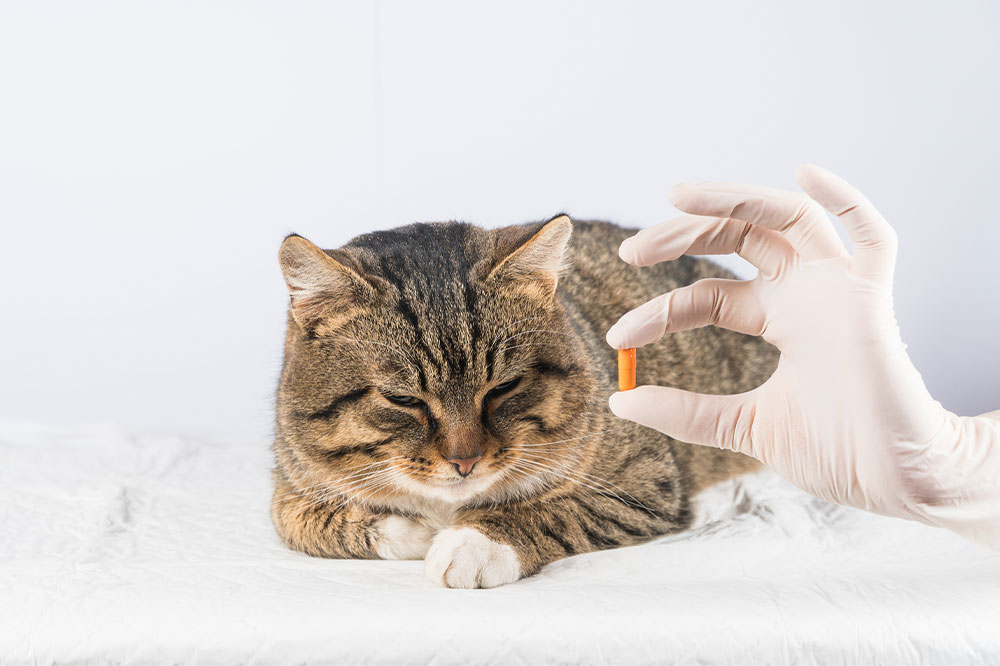
Taking proper care of pets is a big responsibility. It does not stop with simply giving them the best foods, toys, and creature comforts. You must also pay attention to the obvious signs that indicate your cat is sick or experiencing any discomfort that needs immediate attention. As a responsible pet parent, doing the right thing at the right time and promptly addressing the pet’s distress is important. Here are nine signs that you should never ignore:
Changes in your pet’s appetite
If your cat is suddenly eating more or has abruptly stopped eating, it is likely experiencing many digestive problems. Even pets have conditions like hyperthyroidism, intestinal parasites, or diabetes that trigger a sudden increase in food consumption. On the other hand, gastrointestinal diseases trigger nausea, food aversion, and fever, leading to a complete dip in consumption. Often, these changes are coupled with excessive water consumption due to the potential symptoms of these conditions that flare up.
Changes in physical appearance
Cats love to groom themselves; it is one of the most consistent habits among felines. However, if your cat has stopped doing things like licking their fur clean or tidying up in the litter box after doing their business, it could be due to underlying health issues. Excessive matting of the fur and appearing dirty are signs that the cat neglects its hygiene. There is also the case of overgrooming, which happens when cats lick away excess fur in a particular region. Topical skin or painful diseases trigger their self-soothing mechanism of licking to provide comfort. If you notice these abrupt changes in their appearance, it’s best to consult a veterinarian, as these are the first signs your cat is sick.
Sudden nausea, vomiting, or diarrhea
If your cat feels nauseated or vomits several times throughout the day, it is a severe sign of internal discomfort caused by known disorders. Everything from potential food sensitivities, kidney disease, inflammatory bowel disease, pancreatic disease, and stress to bacterial infections can cause persistent nausea and diarrhea to develop. A vet can promptly treat these conditions, so getting your pets checked at the earliest possible time is always better. Delaying treatment or waiting out the symptoms if they are recurring can prove quite fatal.
Meowing excessively
Your pet can only communicate by meowing to grab your attention. But if you notice the feline developing excessive meowing, it could be something more serious. Pet parents can mistake these signs for the cat acting out of boredom and wanting all the attention. However, stress and pain cause discomforts that are not visible, and your cat is making a fuss for a genuine reason. If the meowing persists, do a quick physical exam at home to see if there are any signs of injury, bleeding, or even swelling.
Bad breath
Bad breath is one of the most obvious signs your cat is sick due to indigestion or has developed dental problems. Millions of bacteria trigger an infection that spreads in the affected area, resulting in bad breath. This can happen if your cat has consumed foods that cause indigestion or even trigger food intolerance. Alternatively, dental problems like tartar buildup, stomatitis, gingivitis, or even a tooth abscess can cause bad breath to develop. Bad breath could also be a sign of serious chronic problems like diabetes or kidney disease.
Clear white discharge
Infections trigger a reaction in the body that causes mucus discharge. Clear, thick white fluids repeatedly collecting at the tip of your cat’s nose or around the edges of its eyes are an evident sign your cat is sick. The mucus discharge is the body’s way of ejecting toxins that affect immunity. This could be an allergic reaction to a food or substance or a symptom of common respiratory infections that affect breathing. If left unchecked, these infections spread rapidly, affecting vital organs. Book an appointment as soon as possible with the veterinarian to get the discharge evaluated.
Hissing and becoming aggressive
Cats in pain, stress, or discomfort can even act out by hissing, clawing aggressively with their sharp nails, and being overaggressive. It’s not the poor felines’ fault, as they simply don’t know any other method of communication. Obvious distress tends to affect anyone’s psyche, whether humans or cats. Cats in distress will also lash out at other pets in the household. So, if you notice these behavioral changes, take your pet for a thorough examination.
Overwhelming fatigue
Fatigue is one of the most evident signs of physical discomfort or mental trauma. The body simply gives out and shows your pet is unwilling to even get out of its cozy corner. You may notice your cat losing interest in jumping around, playing with a favorite toy, or even abruptly falling asleep. Cats love to nap, but don’t mistake these symptoms for napping, as there is a more serious underlying problem. Fatigue can develop without any warning, so pay attention to these changes in your pet’s daily routine and make timely decisions.
Blood in stools
Check for signs of blood in the stools or excessive urine in the litterbox. If the stools are watery, it is one of the first signs of diarrhea, which can lead to incontinence. If you notice hard, lumpy, dark-colored stools, they could be a sign of internal bleeding caused by early kidney disease. If your cat is also struggling to pass regular bowel movements, the poor feline has developed constipation. All these problems are clear signs that your cat is sick.
In any case, getting your pets checked thoroughly by a qualified veterinarian is always advisable. General discomforts and conditions require a steady dose of prescriptions to counter the symptoms and illness.