Best foods for people with schizophrenia
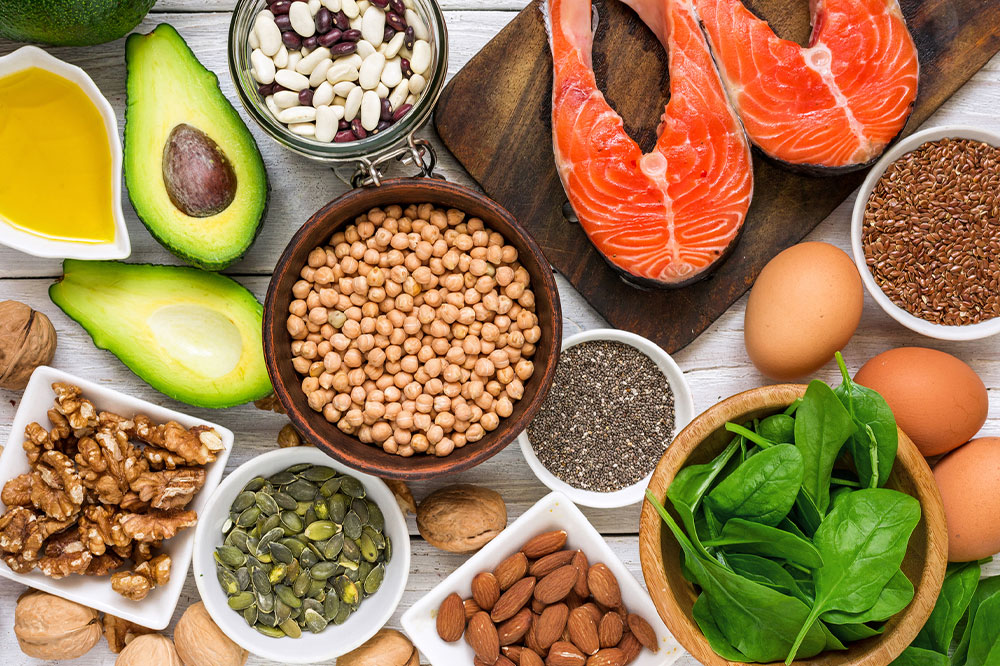
Schizophrenia is a prevalent mental health condition that affects a person’s cognitive abilities and overall functioning. Its symptoms range from unusual behavior and distorted thinking to severe episodes of delusions, hallucinations, and emotional disconnect. Although the disorder is chronic with no cure, an early diagnosis and timely treatment can help improve the patient’s quality of life. The following are some healthy foods for schizophrenia that can help manage the condition better.
Foods rich in omega-3
Healthy fats help counter inflammation that triggers cognitive symptoms and discomforts in people with schizophrenia. Omega-3 is among the most popular healthy fats experts recommend patients include in their meal plans to manage the condition. It helps slow down the progression of the disease to a reasonable extent and prevents oxidative stress from harming healthy brain cells. Fatty fish like salmon, herring, mackerel, black cod, and sardines are the best sources of omega-3, which the brain easily absorbs.
Vegetarians looking to increase their intake of omega-3 fatty acids can eat avocados. Besides anti-inflammatory properties, the fruit has fiber, which keeps a person feeling full. This, in turn, curbs unnecessary hunger pangs, lowering the risk of overeating associated with schizophrenia. Assorted nuts and seeds like almonds, walnuts, flaxseeds, and chia seeds are also suitable omega-3 sources for vegetarians. However, one should consume fatty acids carefully to boost anti-inflammatory responses and prevent cognitive functions from declining.
Healthy probiotics
Research studies suggest gut health can affect cognitive functions like thinking and memory. So, people with schizophrenia should consider foods and beverages that help boost healthy gut bacteria and preserve them in the digestive tract. Yogurt is one of the top choices among dairy products that help increase probiotic intake. It is also easy to digest and helps reduce stress.
Nutritionists further suggest including fermented pickled vegetables in the meal plan to boost probiotic intake naturally. Fermented foods like kefir, kimchi, miso, tempeh, and sauerkraut are all connected to lowering stress and anxiety caused by known psychiatric disorders.
Assorted berries
Berries are a tasty snack low in sugar and calories, making it extremely easy to incorporate into the nutrition regimen. Most berries have anthocyanins, a potent antioxidant that actively counters chemical damage in the brain. Anthocyanins protect the brain cells from damage and oxidative stress triggered by inflammation and lower the risk of complications that develop with schizophrenia.
While patients can snack on any berry they love, assorted berries are the richest sources of natural antioxidants that help control symptoms linked to cognitive disorders. Varieties like blueberries, strawberries, raspberries, cranberries, and blackberries are rich sources of polyphenols, flavonoids, and phytoestrogens, the most well-known subtypes of antioxidants. Including a bowlful of these fresh fruits can actively prevent inflammation that triggers free radicals from destroying vital DNA information. This is a crucial function since any change in the DNA strands can trigger complications linked to psychiatric disorders.
Protein-rich foods
People are well aware that proteins are essential for building muscles in the body. However, studies show they are also necessary for boosting and regulating mood in individuals with mental conditions. Specific proteins in the brain have properties that improve cognitive function and prevent major mood swings. Since mood swings are a frequent problem associated with schizophrenia, patients must up their intake of protein. The nutrient can be acquired from:
- Meats like beef and pork
- Seafood like salmon, tuna, and shrimp
- Dairy products like milk, cheese, and yogurt
- Poultry options like eggs and chicken
- Legumes like beans and lentils
- Sunflower and pumpkin seeds
- Nuts like almonds and walnuts
Note that many plant-based alternatives exist for those who suffer from lactose intolerance and cannot digest dairy products. For instance, soy and almond milk are great substitutes for cow milk that also help individuals get their daily dose of protein.
Foods rich in essential nutrients
The brain is a complex organ that controls every physical and emotional response. It has a delicate and intricate network of nerves that carry signals to enable a specific action. Any chemical imbalance in the brain tissue can disrupt the working of the neural networks, leading to various symptoms. One way to keep the brain functioning properly is to eat foods rich in vitamins and minerals. Poor food habits and nutritional deficiencies increase the risk of flare-ups and symptoms linked to schizophrenia.
Iron, magnesium, zinc, folates, omega-3 fatty acids, thiamine, and vitamin B12 are a few nutrients that deserve mention. B vitamins, in particular, help the body convert foods into energy for promoting brain function. Patients can acquire these nutrients from red meats, fatty fish, poultry products, leafy greens, and wholesome nuts. However, they should consult a nutritionist to determine which nutrients might help them the most and how much they need to consume. If someone is deficient in a specific mineral or vitamin, the expert may recommend chewables to increase its amount in the body.
What to avoid?
Besides eating the healthy foods for schizophrenia listed here, patients must eliminate a few options that could affect their cognitive function:
Sugary foods and beverages
Refined sugar causes an imbalance in blood glucose levels, triggering flare-ups of anxiety, paranoia, and irritability in people with schizophrenia. Sweets, candies, baked goods, and confectionaries bought off the shelves in the supermarket are unhealthy and should be excluded from the meal plan. Even flavored sodas and carbonated beverages are laced with refined sugars.
Caffeine
Caffeine in coffee, tea, and other beverages worsens symptoms like agitation and anxiety. It is a direct stimulant that increases metabolism and disturbs cognitive reasoning. So, avoiding or limiting caffeine consumption is advisable during ongoing treatment.
Processed foods
Processed foods, including the snacks and condiments bought off supermarket shelves, are laced with additives and preservatives. They also have saturated and trans fats that cause cholesterol levels to shoot up and trigger blood pressure and diabetes. These complications can cause schizophrenia symptoms to flare up and affect overall health and immunity.