Early Signs of High Cholesterol – What to Know and Risk Factors
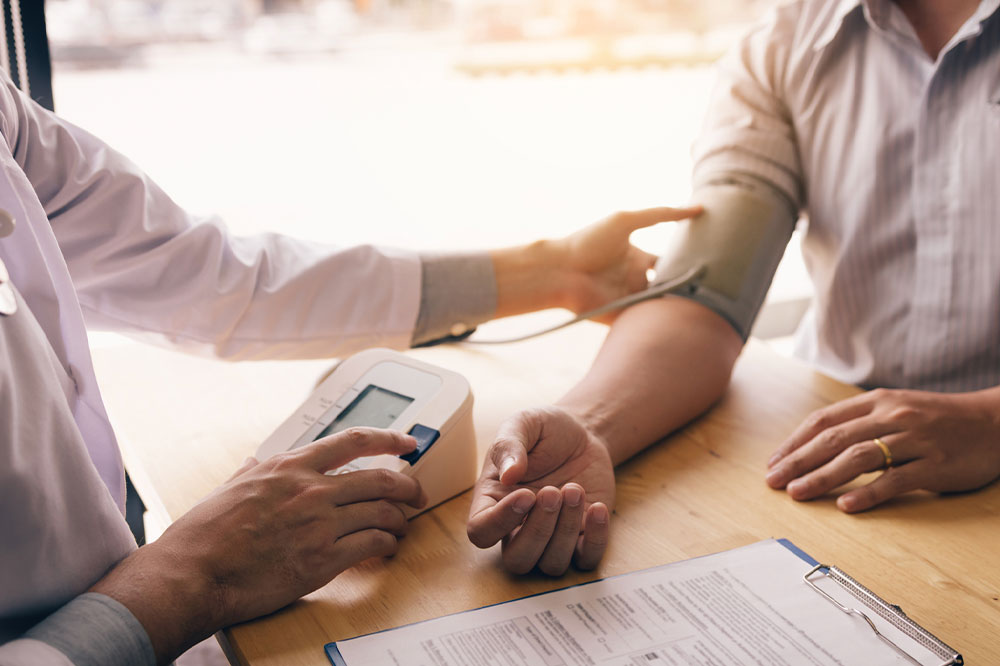
Cholesterol is a fatty wax-like substance produced by the liver. It is categorized into Low-Density Lipoprotein (LDL), High-Density Lipoprotein (HDL), and Triglycerides. The body needs to maintain low LDL and high HDL levels to support overall health. Any imbalance in these levels can trigger high cholesterol, leading to chronic health complications like heart disease. While there are no direct symptoms, the complications mentioned below point toward high cholesterol in the body.
Early signs of increasing cholesterol levels
Cholesterol levels build up in the body undetected for a long time and are only noticeable when the buildup triggers health complications. Mild to moderate discomforts observed when the following problems develop are among the early signs of increasing cholesterol levels.
- Heart disease
Cholesterol circulates in the bloodstream, carrying essential vitamins and minerals for cell maintenance. These nutrients also supplement essential functions for various organs. Blood circulation is continuous, so these cholesterol molecules repeatedly pass along the arteries and veins. An increase in bad cholesterol (LDL) causes plaque buildup and triggers blockage. Plaque buildup also results in the narrowing of arteries and veins, thus hindering natural blood flow. Chest pain, extreme fatigue, shortness of breath, and pain radiating in the neck and jaw are early signs of increasing cholesterol levels. These symptoms are indicative of the blockages causing plaque buildup and interrupting circulation. Eventually, plaque buildup increases the risk of coronary artery disease among adults. - Stroke and blood clots
Blood pressure is a critical function that is regulated by the circulatory system. The heart pumps freshly oxygenated blood from the lungs to all body parts. Adults usually have a normal blood pressure of 130/80 that increases or decreases with the slightest change in physical activity. Here again, plaque buildup due to high levels of bad cholesterol in the body increases the risk of clots and blockages in the arteries. The narrowing of the artery walls forces blood to be pumped at a higher-than-normal pressure. And this increase in blood pressure is one of the early signs of increasing cholesterol levels. High blood pressure is also one of the primary triggers of a stroke. One will experience sudden dizziness, loss of balance, decreased coordination, drooping eyelids, and partial paralysis on one side of the body. These are some of the most evident precursors to a stroke. In addition, some people also experience slurring, confusion, blurred vision, double vision, and severe headaches as a stroke develops gradually. - Heart attacks
Heart attacks are different from heart diseases. An attack is sudden and happens without warning; symptoms develop quickly. Heart disease is more gradual and takes time to develop symptoms. Plaque buildup in the arteries is also a major risk factor for heart attacks. The heart is tasked with pumping freshly oxygenated blood from the lungs. So, its function mainly depends on the proper circulation of the blood. Blockages in the arteries caused by plaque buildup reduce blood flow to the heart and deprive the organ of essential nutrients. This triggers organ failure, otherwise known as a heart attack. Heart attacks vary in severity; some are so mild that they rarely trigger organ failure, whereas other attacks may require surgery for transplant due to complete organ failure. It is one of the reasons why high cholesterol levels should never be ignored. - Diabetes and blood pressure
An imbalance in cholesterol in the body is directly linked to a person’s blood sugar levels. People with diabetes are at a higher risk of narrowing arteries, which makes it easier for bad cholesterol to build up plaque. When a person is diagnosed with diabetes, it becomes essential to monitor the changes in blood cholesterol constantly. Increased blood pressure is also an early sign of increasing cholesterol levels. High blood pressure can trigger chronic hypertension, mainly due to blocked arteries that hinder blood circulation. A lipid profile test can be done to identify the amount of good and bad cholesterol when these changes occur.
Tests for high cholesterol
A blood test is the only way to confirm if a person has high cholesterol. Once signs and symptoms linked to the complications mentioned above worsen, doctors suggest a complete lipid profile. The screening checks for high levels of low-density lipoprotein, low levels of high-density lipoprotein, and triglycerides, which are special fats the body uses for storing energy. Total cholesterol is the combination of LDL, HDL, and triglycerides. The optimal numbers for a lipid panel test are fixed in the following ranges: total cholesterol should be no more than 200 mg/dl, and anything above 240 mg/dl is severely high cholesterol.
Factors that impact overall risk for high cholesterol
The fatty substance is naturally found in the body and is derived from fats in daily foods and beverages. So, there are prima facie risk factors that influence daily levels.
- Lack of nutrition
The body relies on a healthy intake of vitamins, minerals, and nutrients to balance and support vital functions. Nutritional deficiencies are generally caused due to poor eating habits like consuming heavy saturated and trans fats from processed foods. This can directly increase bad cholesterol levels leading to plaque buildup. - Lack of exercise
A sedentary lifestyle greatly increases the risk of fat buildup in the arteries. This happens because the body does not burn off the excess calories consumed. Also, without exercise, the body will be unable to maintain good cholesterol levels to counter the imbalance in fats. - Advancing age
High cholesterol is a silent risk that increases with advancing age. Younger people who stay active, eat healthily, and manage stress need not necessarily worry since cholesterol is more common over 40. - Poor lifestyle choices
Certain habits that are detrimental to overall health also increase the risk of high cholesterol. These habits affect the functioning of vital organs like the liver and kidneys, which purify the blood and help remove toxins from the body.