Eczema – Warning Signs and Home Remedies
Eczema, also known as atopic dermatitis, is an inflammatory skin condition that can affect anyone, irrespective of age and gender. It causes skin dryness and discomfort that can affect a person’s quality of life. Eczema has no definitive cure, but certain home remedies can help prevent flare-ups and control the symptoms. It’s recommended to start with a good skin care regime, along with other treatments, when its first signs start to show up.
Early warning signs of eczema
The most important thing to know about eczema is its symptoms differ for everyone. It can also impact different areas of the body depending on an individual’s skincare routine.
- Itchy skin
This condition always begins with itchy skin. Eczema-related itchiness may range from mild to moderate. People with severe itchiness may even feel the need for constant scratching resulting in bleeding and inflamed skin. - Rashes
People with eczema may develop unique rashes in specific areas. They tend to have flaky skin that lets irritants and allergens penetrate the outer layer. This, in turn, causes an inflammatory response leading to redness and rashes. - Inflamed and discolored skin
The area of the rash may get inflamed and swollen. There will be a noticeable discoloration which means the affected skin may look darker than the surrounding skin. - Scaly patches
Scaly patches occur when the outer layer of the skin starts to form scales due to dryness.
Home remedies
The affected person can use a few home remedies to reduce the effects of eczema and its symptoms.
Aloe vera gel
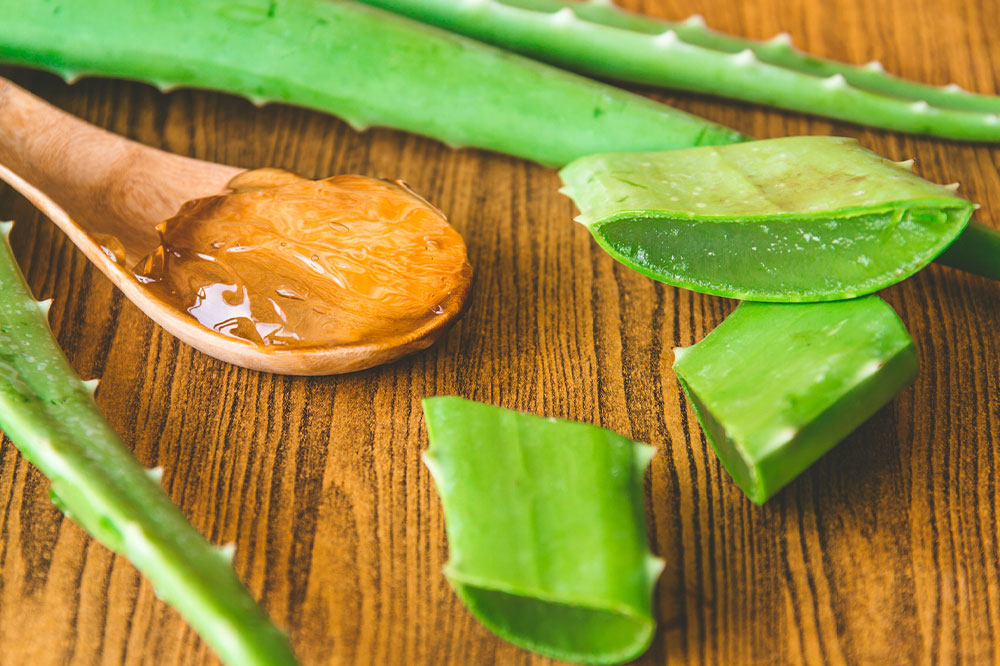
Aloe vera is a natural moisturizer that is extremely good for people with dry and sensitive skin. It has the potential to alleviate eczema symptoms. Aloe vera gel has antibacterial, anti-inflammatory, and antifungal properties and can help soothe irritated skin. Either prepare fresh gel at home or opt for a good vegan skin care product containing aloe vera gel. Always start with a small amount to check for an allergic reaction.
Coconut oil
Coconut oil contains essential fatty acids and acts as a natural moisturizer. The antibacterial properties of this oil can help keep bacteria from penetrating the skin, thus preventing infection in people with eczema. Choose virgin or cold-pressed coconut oil that is extracted without chemical processing. Apply a thin layer of coconut oil on affected areas once or twice a day to pacify the aggravated areas of the skin.
Apple cider vinegar
Apple cider vinegar can help balance the skin’s pH level. People with eczema tend to have high skin pH levels, which means less acidic, making it more prone to dryness and irritation. Diluted apple cider vinegar can help to restore healthier acid levels in the skin. Add apple cider vinegar to your bath to ease the discomfort.
Colloidal oatmeal bath
Soaking in a tub of colloidal oatmeal is a great way to calm inflammation in eczema. Colloidal oatmeal is available as bath soaks and body lotion. According to a study, the colloidal oatmeal lotion is anti-inflammatory in nature that can help reduce skin dryness, scaling, and itching intensity. When taking a colloidal oatmeal bath, soak yourself in it for ten to fifteen minutes. Pat dry the area and apply a moisturizer.
Bleach bath
Though a bleach bath may sound dangerous, it can be helpful for eczema-prone skin. A mild bleach bath helps kill bacteria on the skin and reduces the risk of an infection in that area. Bleach has antibacterial and anti-inflammatory benefits and can provide relief from itching and infection. Use caution when using it, and do not soak in it for more than 10 minutes. Also, avoid taking a bleach bath every day.
Wet wraps
Applying wet wraps around the eczema-affected areas can help improve the skin’s moisture level. You can swathe strips of fabric or gauze soaked in water to rehydrate and calm the skin. Do this remedy after your bath and the application of a moisturizer. Then gently wrap the gauze soaked in water. Lastly, put a dry layer of clothing on top of it. Leave the wet wrap on for a few hours or even overnight.
Evening primrose oil
Evening primrose oil is derived from the seeds of the evening primrose plant. This oil contains gamma-linolenic acid, an omega-6 fatty acid that helps repair the skin barrier, decrease inflammation, and improve the appearance of the skin. For people with eczema, applying this oil can provide them relief from itching and irritation.
Use a humidifier
To help the skin retain moisture, keep a humidifier in the room. Eczema worsens during winter due to the dry and cold environment. Humidifier creates a gentle environment for the skin by raising moisture in the air, making the skin less prone to dryness and itching.
Baking soda
Taking a baking soda bath may help prevent eczema flare-ups or temporarily relieve itching. Add a quarter cup of baking soda in lukewarm water and soak the affected area for 15 minutes. Avoid hot water as it can exacerbate the inflammation and worsen dry skin. As baking soda has therapeutic properties, it can help in various inflammatory skin conditions, including psoriasis and eczema.
Tea tree oil
This essential oil is primarily known for its skin-healing properties. It protects the skin against bacteria and fungi and can be particularly beneficial for people with eczema. It is always a good idea to opt for organic tea tree oil. Before applying it on the skin, it is important to dilute it with a carrier oil such as olive oil or coconut oil. As tea tree oil is highly concentrated, using it in undiluted form may worsen the condition.
Since eczema is a chronic condition causing dehydrated and flaky skin, treatment options and home remedies aim to maintain the sufficient moisture content in the skin. Mild-to-moderate eczema can be managed with the above home remedies. However, not every remedy may give results to everyone. Therefore, the key is finding the remedy that works for you to keep flare-ups at bay.