Follow These 7 Tips for a Healthy and Glowing Skin
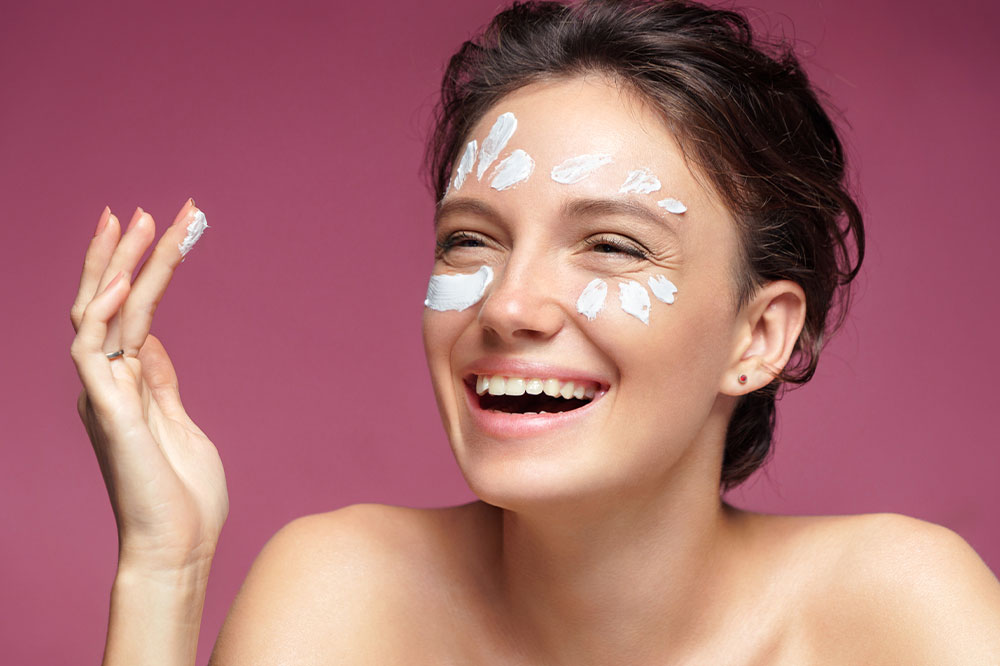
Good skin care is the key to retaining your skin’s natural glow and preventing various skin problems. It does not always require spending dollars on various beauty treatments. Instead, you can practice a healthy skin care regimen to boost and naturally maintain glowing and youthful skin. These methods will help keep the skin’s elasticity, reduce wrinkles and fine lines, and control acne. Here are seven simple tips to make your skin look healthy and beautiful.
Apply sunscreen every day
One of the ways to keep your skin healthy is by protecting it from the sun’s damaging ultraviolet rays. Chronic exposure to sunlight can cause burns and pigmentation. Over time it can reduce skin’s elasticity leading to visible signs of aging and other skin diseases. To protect your skin from the sun’s damaging rays, make sure you are applying sunscreen generously to all areas of exposed skin before going outside. It is good to choose a broad-spectrum tinted moisturizer sunscreen for the face, with an SPF of at least 30, depending on your skin type. Tinted sunscreens not only work to protect against sun damage but can also camouflage imperfections such as hyperpigmentation and blemishes.
Get the right nutrition
Eating nutrient-rich foods is one of the best ways to treat your skin from the inside. A meal plan full of saturated fats, processed foods, and added sugar can take a toll on your skin. Consuming such foods can make your skin more prone to breakouts and inflammation. Instead, replace such unhealthy foods with plenty of fruits, vegetables, whole grains, lean proteins, and healthy fats such as olive oil and avocados. You can see how your skin starts glowing from within.
Treat your skin gently
A wise practice to keep your skin healthy is to include natural, non-toxic products in your skincare routine. Products with harsh chemicals can make your skin lose its natural moisture, causing irritation and dryness. This can also cause acne and the appearance of signs of aging. This is why you should switch to products made with natural ingredients. Also, avoid hot water baths as it removes essential oils from your skin, leaving your skin flushed and red. You should also avoid scrubbing your skin as it can aggravate conditions like acne or eczema.
Drink enough water
For healthy skin, you need to ensure your body is adequately hydrated. Drinking enough water can have a positive impact on your skin and your overall health. Dehydration can make your skin dry and dull causing fine lines, wrinkles, and other skin problems. Proper water intake helps clear toxins from the body, thereby minimizing inflammation. Generally, adults should consume at least 6 to 8 glasses of water daily to stay hydrated. This can make your skin look supple.
Get a good night’s sleep every day
Lack of sleep can accelerate signs of aging, such as fine lines, wrinkles, reduced elasticity, and uneven skin tone. Your skin produces collagen and repairs itself when your body is deep asleep. To get healthier-looking skin, it is essential to get adequate sleep. Therefore, one must aim for at least seven to eight hours of uninterrupted sleep each night.
Exercise
Exercising is good for your body and mental health and helps create a healthy complexion. Workouts cause you to sweat, which is your skin’s natural way of detoxifying. These physical activities stimulate blood circulation, which helps purify your skin and improve its appearance. Regular exercise also helps reduce cortisol levels, which is a culprit of oily skin and acne. Also, remember that intensive workouts can increase cortisol proportion. So, aim for 30 minutes of daily exercise.
Manage stress
Stress is a significant factor contributing to flare-ups of many skin conditions, such as acne, eczema, and psoriasis. Research shows that teenagers with high-stress levels are likely to have severe acne. Stress also triggers the release of cortisol, the stress hormone, which accelerates aging. It also causes the skin to produce oily sebum that blocks pores leading to acne. For healthier-looking skin, you have to handle your tensions properly. Some great ways to manage stress are doing yoga and meditation.
Suppose you fail to care for your skin. In that case, your skin’s natural barrier may become less able to protect your skin from environmental irritants and allergens, causing eczema, also known as atopic dermatitis.
Eczema – Causes and symptoms
Eczema is a condition that causes skin inflammation, dryness, and itching. Its chances of occurrence are more if there are any problems with your skin’s barrier. Other causes of eczema are gene variation, too much Staphylococcus aureus bacteria on the skin, and exaggerated immune response. Eczema symptoms include dry and scaly skin, redness, hyperpigmentation, and itching. Some people with eczema may find their symptoms on and off for a lifetime. Although there is no cure for eczema, most people can manage their symptoms by avoiding triggering factors and with the help of treatment. There are different types of eczema occurring in different areas of the body.
Types
The common types of eczema on the feet are contact dermatitis and dyshidrotic eczema. Foot eczema treatment usually involves soaking feet or using cool compresses. Moisturizers also help to lock in moisture and keep the skin hydrated. For good skin health, hydrate your skin daily with an oil-based cream. It is common in young children but can affect any age group. Teen eczema occurs in teens aged 12 to 18. Teen eczema treatment options involve the use of moisturizers and specific dietary changes.
Hormonal Intra Uterine Devices can also cause acne. Treatment for IUD-related acne includes cleansing at least once a day and exfoliating a few times a week. Making specific dietary changes can also help control breakouts.
Conclusion
Transform your skin for the better by implementing the above seven tips in your lifestyle. These steps will help you attain flawless skin without breaking the bank.