Foods to Avoid to Manage Eosinophilic Esophagitis
Eosinophilic Esophagitis, or EoE, is a chronic digestive disease of the esophagus caused by an allergic condition. It is characterized by chest pain, heartburn, and solid food dysphagia. If this disorder is left untreated, it can cause esophageal remodeling and stricture formation. This disorder is also marked by eosinophilic inflammation and impacts the quality of life of the affected person. You can check out various reliable health websites to get information on eosinophilic esophagitis.
A patient with EoE must be very careful with his health and meal plans, as research suggests that EoE is linked to food allergies. Therefore, the six most common food items that are responsible for such allergies include:
Dairy
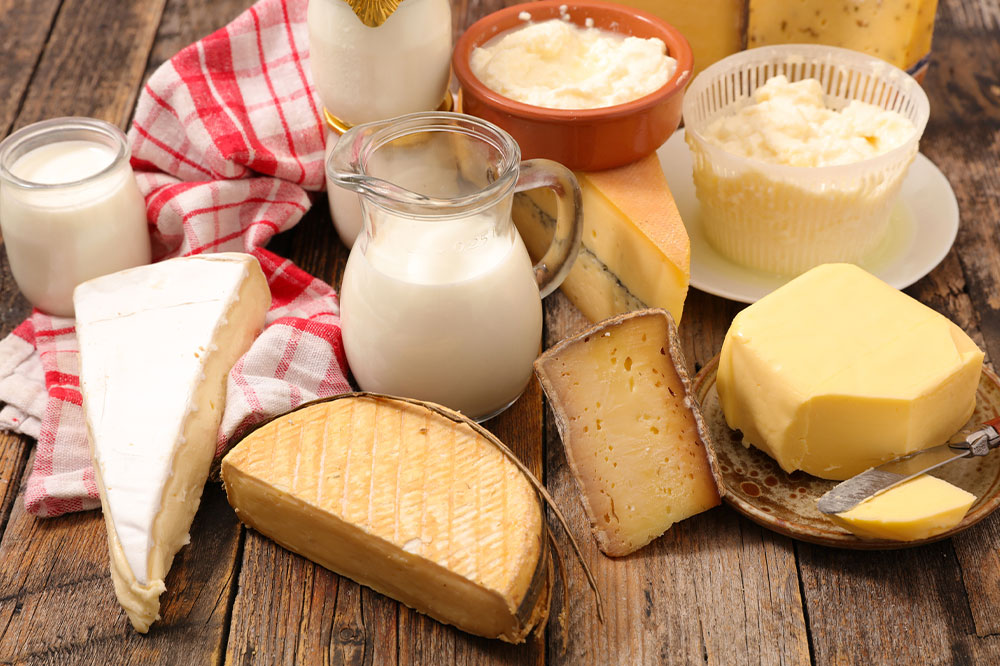
Cow milk is said to be one of the most common reasons for EoE. Milk protein can trigger too many eosinophils. You should avoid food items made up of milk, buttermilk, lactose, and other related dairy products. You can replace dairy products with coconut hemp, dairy-free yogurts, cashew ice cream, etc.
Soy
Soy-based food items include tofu, soy butter, soymilk, and miso. Soy cheese, soy nuts, soy milk, etc., should be avoided and can be substituted with refined soybean oil or coconut aminos.
Wheat
You might think wheat is only found in bread, cereal, or baked goods. But some unexpected food items also have wheat, like hot dogs, beer, and ice creams. So it would be best to avoid bran, bulger, gluten, farro, and starch. These can be replaced with corn, oats, rice, and barley.
Nuts
It would be best if you said goodbye to nuts like almonds, hazelnuts, cashews, walnuts, and pistachios.
Eggs
In EoE-associated thyroid treatment, you should avoid the consumption of eggs and food items that contain eggs. Beware the hidden eggs in products like mayo, marshmallows, hollandaise sauce, or foods brushed with egg wash.
Seafood
A specific protein in seafood may cause some people allergies. It would be best to avoid fish, including shellfish, and avoid consuming it in unexpected forms like Caesar dressing, Asian sauces, and Worcestershire sauce.
Challenges one may face while eliminating certain foods:
Mostly, the meal plan comprises these six food groups. When you avoid eating such foods, you might end up feeling stumped. You might consider foods like non-dairy milk and gluten-free bread for eosinophilic esophagitis treatment. The new food group might cost you more than the traditional food items. Lastly, avoid opting for this meal plan without keeping your dietician in confidence. They might teach you how to prepare delicious meals that don’t trigger allergies. The dietician can also help you read labels and avoid cross-contamination.
Rule of thumb for dietary changes:
Your dietician will discuss important thumb rules when helping with EoE and thyroid treatments. Some will be such as:
Reading labels
Food manufacturers usually mention on the labels if the product contains any food allergens. You can ask your dietician about phrases like ‘May contain,’ ‘Made in a facility that processes,’ etc., to ensure that you are not consuming any allergen by mistake.
Avoiding cross-contamination
You should try to avoid foods that come from a buffet. Always wash your hands, utensils, and cutting boards well. Make sure the foods you eat haven’t come in contact with food items you can’t eat.
Advising not to eat outside food
You should take a break from eating outside for a while.
Your physician might also suggest a hypoallergenic multivitamin to ensure your body fetches all the nutrients it should.
Elemental meal plan for severe eosinophilic asthma patient
When nothing seems to work for you, your doctor might put you on an elemental meal plan that is stricter than an elimination meal plan. It is stricter because it restricts all allergens instead of just removing common ones. You must stop eating or drinking anything except water and a special formula. Once you have completed eight weeks on this plan, your physician will do an endoscopy to check the esophagus. This meal structure seems to be the most effective dietary approach to treat EoE.
Role of food allergy in EoE
Food allergy is a predictable immune response due to the ingestion of a food antigen. Food allergies trigger EoE, so the most important thing you have to do when you are diagnosed with EoE is to follow the meal recommendations of your dietician. Since your immune system is very sensitive, you must be careful with what you consume.
If you are experiencing eosinophilic esophagitis (EoE), your doctor might suggest eliminating some food items that trigger it. This lifelong disease can come back after periods of improvement. If you wish to keep the symptoms at bay, you should seek ongoing treatment. The best EoE-related thyroid treatment option is a therapeutic meal plan. If a person is experiencing EoE, white blood cells build up in the esophagus and cause inflammation.
Conclusion
In case you avoid foods that you are allergic to, you can reduce your EoE symptoms. If you wish to figure out the culprits, you can add them once and see how your body reacts. This is known as an elimination meal plan. Always remember that any kind of changes that you make in your meals should be under the supervision of your dietician. The group of doctors who oversee the treatment includes a registered dietician, a feeding specialist, and a psychologist. Try making some dietary changes, and you might experience long-lasting relief from EoE symptoms because this way, you can prevent inflammation from setting on.
It is imperative to follow the right meal plan, exercise daily, refrain from the foods mentioned above, and keep a positive attitude. Also, keep a record of every food you consume to track your progress in adding or removing certain foods. Doing so will not give rise to any allergic reactions and will keep your health at optimum levels.