How to recognize and care for a sick dog
For dog owners, their four-legged companions are beloved members of their families. It can be distressing to see them unwell, but being vigilant about their health is crucial. Dogs cannot communicate their discomfort verbally; it is essential to look for signs they may be sick. This article explores the common signs that indicate one’s dog may be unwell and guides how to treat them with care and attention to ensure their well-being.
Signs that one’s dog may be sick
- Change in appetite
One of the most evident signs that one’s dog might be sick is a change in their eating habits. A dog that suddenly loses interest in food or water may be suffering from an underlying health issue. On the other hand, an increase in appetite could also be a cause for concern, as it may indicate conditions like diabetes or hormonal imbalances. - Lethargy and weakness
If one’s usually active dog becomes lethargic, appears weak, or seems uninterested in play or exercise, it could be a sign of illness. So, dog parents should keep an eye out for persistent fatigue, as it may indicate infections, organ problems, or other health issues that require attention. - Vomiting and diarrhea
Occasional vomiting or diarrhea can happen for various reasons, including dietary indiscretions. However, frequent or persistent episodes could indicate a more significant problem, such as gastrointestinal infections, dietary allergies, or underlying illnesses like pancreatitis. - Coughing and sneezing
Coughing and sneezing are common symptoms of respiratory issues in dogs. Persistent coughing, particularly if accompanied by discolored nasal discharge or labored breathing, should be checked by a veterinarian to rule out conditions like kennel cough or pneumonia. - Excessive thirst and urination
Increased thirst and urination could be signs of diabetes or kidney disease in dogs. If one’s dog is drinking more water than usual and having accidents indoors or urinating frequently, one should consult a veterinarian for a proper evaluation and diagnosis. - Changes in urine or stool
It is important to pay attention to changes in one’s dog’s urine color, consistency, or stool. Blood in urine or feces, straining to defecate, or unusual colors can all indicate health problems such as urinary tract infections (UTIs), parasites, or gastrointestinal disorders. - Hair loss or skin issues
Skin problems, including itching, redness, hair loss, or hot spots, can be indicators of allergies, dermatitis, or underlying health issues. Frequent scratching and discomfort are signs that indicate one must take their dog to the veterinarian. - Limping or difficulty moving
If a dog shows signs of pain, limping, or reluctance to move, it could be due to joint issues, injuries, or orthopedic problems like arthritis. A veterinarian can recommend treatments to alleviate discomfort and improve mobility.
What one can do to treat a sick dog
- Consult a veterinarian
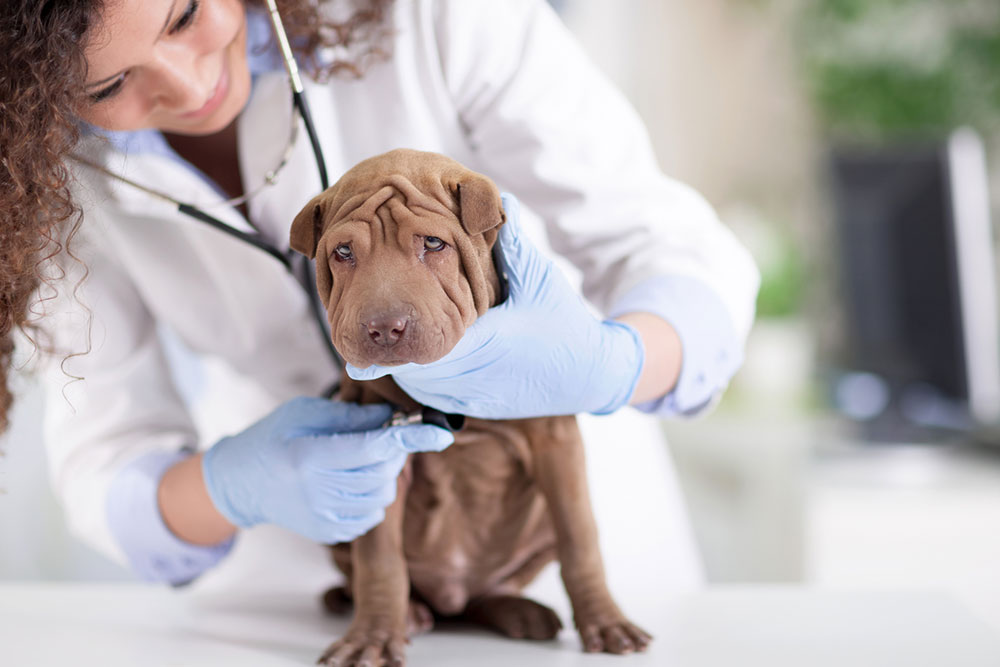
When a dog owner notices any of the above signs or suspects that their dog is unwell, the first step is to consult a veterinarian. Doctors can do a thorough examination, conduct diagnostic tests if necessary, and provide an accurate diagnosis. Early diagnosis and treatment are crucial for a successful recovery. - Follow a treatment plan
If a vet recommends a specific treatment plan, one should follow their instructions diligently. The prescribed treatment plan should be strictly followed, even if the dog seems to improve before the course is completed. - Provide comfort and affection
Dogs appreciate comfort and emotional support when they’re not feeling well. Spend quality time with the sick dog, offer gentle petting, and create a calm and soothing environment. A warm and cozy bed or blanket can help the dog feel more comfortable. - Use natural remedies with caution
Some natural remedies may complement traditional treatments. However, it is crucial to consult with a veterinarian before using any alternative options. Natural remedies should always be used under professional guidance to ensure they are safe for the dog’s specific condition. - Consider physical therapy and rehabilitation
In cases where a dog is recovering from surgery or injury, or dealing with a chronic illness, physical therapy and rehabilitation can be beneficial. These therapies can help improve the dog’s mobility, reduce pain, and enhance their overall quality of life. A veterinarian can recommend a qualified canine physical therapist or rehabilitation specialist to work with the dog. - Provide a quiet and stress-free environment
A calm and stress-free environment can greatly aid in a sick dog’s recovery. Minimize loud noises, excessive activity, and interactions with other pets that may cause stress. Create a quiet and peaceful space where the dog can rest without disturbances. Stress can weaken the immune system, so reducing environmental stressors can support the healing process. - Monitor food and nutrition
Sticking to a balanced and easily digestible meal plan recommended by a veterinarian is the way to go for speedy recovery. In some cases, a special meal plan may be necessary to address specific health issues. One should offer small, frequent meals to prevent stomach upset. - Hydration is key
It is important to encourage one’s dog to drink water regularly. Dehydration can exacerbate many illnesses, so it is essential to ensure they remain well-hydrated. - Schedule regular follow-up visits
Dog parents should go for follow-up visits with the vet as recommended. This allows the vet to monitor the dog’s progress and make any necessary adjustments to the treatment plan. - Maintain good hygiene
It is important to keep an unwell dog clean and comfortable, bathing them as needed and attending to any wounds or skin issues promptly. Maintaining good hygiene helps prevent secondary infections.
Dog owners’ primary concern is the health and well-being of their furry companions. Recognizing the signs that one’s dog may be sick and seeking prompt veterinary care are essential steps in ensuring a speedy recovery. Early intervention is often the key to successful treatment. By providing a sick dog with the necessary medical attention, love, and care, one can help them return to their happy, tail-wagging selves in no time.