Macular Degeneration – Best and Worst Foods
The body goes through various changes, especially those affecting the senses, as one gets older. Here, weakening eyesight is a common phenomenon in older adults, however, it does not have to be inevitable. Age-related macular degeneration is an eye disease characterized by the deterioration of the retina’s central portion. One’s lifestyle and food choices can have a huge impact on eye health. So here are some foods to eat and avoid to maintain strong vision:
Best foods
Various foods can help one manage macular degeneration symptoms and keep eye diseases at bay. Here are some great options to consider:
Broccoli
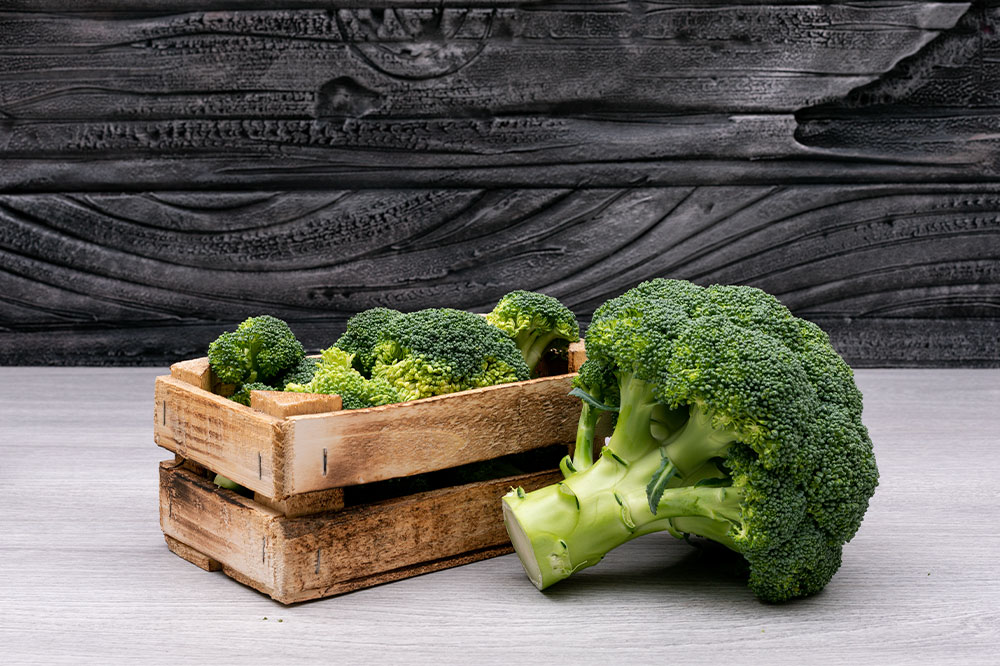
Broccoli is loaded with vitamins and minerals that could help one deal with eye conditions like macular degeneration. It is rich in vitamin A, which helps fight eye diseases and reduce the risk of age-related macular degeneration. It is also loaded with vitamin K and B vitamins, fibers, magnesium, and potassium, which are essential for maintaining overall health.
Blackberries
Blackberries contain plenty of vitamins and minerals that help reduce the risk of age-related vision problems. Vitamins B6, C, A, folate, and zinc in these berries can prevent eyesight issues. The fruit also contains a dark pigment called anthocyanin, which protects the retina from sun damage. In addition, it acts as an antioxidant helping fight free radical damage to the eyes.
Spinach
Spinach is a leafy green that contains vitamin A, fibers, and minerals. Vitamin A is crucial for maintaining eye health and reducing the risk of vision-related issues. As spinach contains an antioxidant called lutein that lowers the risk of macular degeneration.
Carrot
Carrots are associated with eye health, as it contains vitamins C and B12 that improve vision. Carrots are also loaded with folate, zinc, and alpha and beta carotenes. Studies have found that those who eat carrots regularly are less likely to get diseases like macular degeneration.
Cranberries
Cranberries contain anthocyanin and other powerful antioxidants which support eye health. Apart from helping prevent the onset of macular degeneration, the fruit also aids in treating other health problems, boosting cognition, fighting tooth decay, and protecting against liver disease.
Avocado
Avocado is considered a superfood, consisting of vitamins, minerals, fibers, and healthy fats. It contains zeaxanthin and lutein that help slow down the progression of macular degeneration. It also helps lower the risk of cataracts. Avocado is a rich source of folate, zinc, and vitamins C and B6. Avocados also help maintain heart health, blood pressure levels, and cognitive functions.
Kiwi
Kiwi is an excellent addition to daily meals when trying to improve eye health. The fruit contains zeaxanthin and lutein, known as “eye vitamins”, that help in the formation of vitamin A—an essential nutrient for the eyes. They also act as antioxidants helping prevent macular degeneration. In addition, kiwi is also loaded with essential nutrients like zinc, folate, and vitamins C and B6.
Legumes
Beans and lentils are excellent sources of minerals, fibers, and vitamins. These nutrients protect and promote eye health. Legumes like black beans, kidney beans, and lima beans are rich in bioflavonoids and zinc that help avoid eye issues. Legumes also contain fiber and zinc, which helps lower the risk of cataracts.
Sweet potatoes
Sweet potatoes are rich in vitamin A and alpha and beta carotenes. Additionally, they are good sources of eye-friendly nutrients like folate and vitamins B6 and B12, helping one maintain and improve eye health.
Worst foods
Certain foods can worsen eye issues and macular degeneration symptoms. These foods might have a negative impact on overall health if excessively added to daily meals.
Sugar
Excessive intake of sugar can speed up aging and deteriorate overall health, increasing the risk of macular degeneration and worsening vision problems. So, avoiding sugar is crucial to limit damage brought on by oxidative stress. Simple sugar also produces advanced glycation end products (AGEs) that cause inflammation, increasing the risk of developing macular degeneration.
Saturated fats
These are considered unhealthy fats when consumed in excessive quantities over a period. Healthy fats boost brain function and heart health, however, those with saturated fat deposits in their bodies are more vulnerable to heart and eye diseases. This is because foods loaded with saturated fats lead to a build-up of cholesterol in the vessels, even around the macula, increasing the risk of macular degeneration. So, one should avoid or limit foods like bacon, cheese, and cakes. High-fat meats can also be unhealthy and contribute to several diseases. Apart from bacon, one should avoid red meat, hamburgers, and sausages. Fatty food contributes to high cholesterol, which can hinder blood flow to the eyes leading to macular degeneration.
Processed and fried food
Store-bought chips, cookies, pies, bread, and French fries are highly processed foods that contain unhealthy fats. Fast food and soft drinks should also be avoided when trying to improve eye health or deal with eye diseases. This is because such foods also contribute to high cholesterol building up in the blood vessels. So, the oxygen- and nutrient-rich blood is unable to reach the eyes, increasing the risk of diseases like macular degeneration.
Macular degeneration is a common, usually age-related, eye disorder that leads to a loss of central vision. Other symptoms of macular degeneration are blurred vision, visual distortion, and difficulty recognizing faces. Adopting healthy eating habits and a balanced meal regimen that include vegetables and fruits will help one get the nutrients, minerals, and vitamins required to keep macular degeneration symptoms at bay. As foods can affect eye health, one should avoid highly processed foods with excessive sugar and salt. However, it is important to consult a nutritionist and a doctor before introducing drastic changes to daily meals. A healthcare professional can provide a clear diagnosis, treatment plan, and recommendations for lifestyle changes depending on the severity of symptoms.