Things to consider while purchasing protective car covers
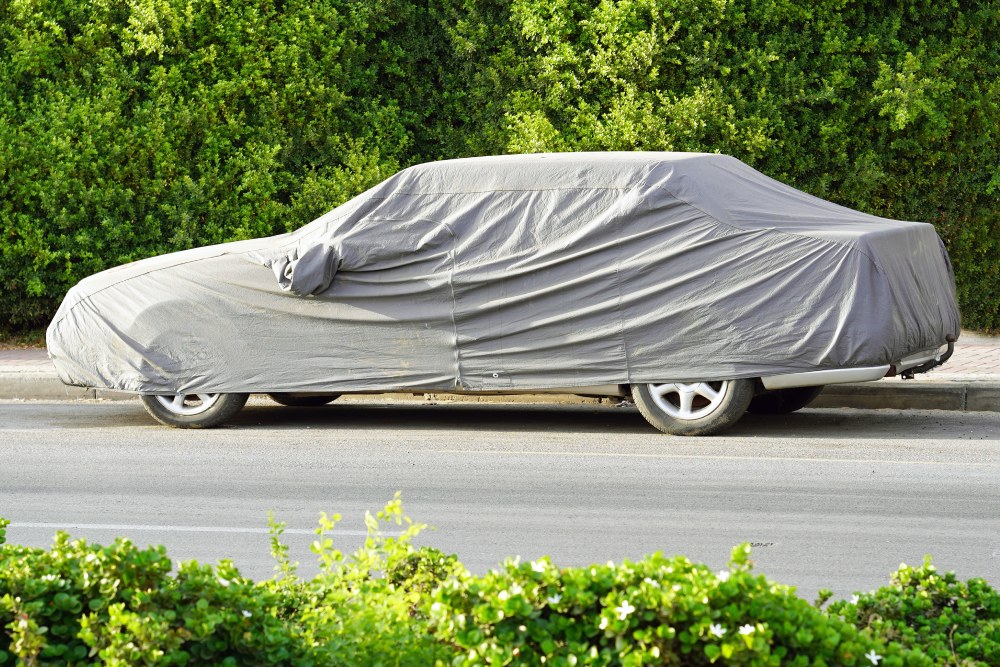
A car cover is like a protective shield that keeps the vehicle safe from external elements like sun, rain, snow, and dust. It helps preserve the car’s appearance and maintain its resale value over time. A good quality car cover can block harmful UV rays that can damage its paint, protect it from dirt, and prevent animal scratches. Considering certain factors while purchasing car covers can help buyers make more informed decisions.
Material
The fabric used in protective covers plays a major role in how well they protect the vehicle against environmental damage. Each fabric type has its own benefits and drawbacks.
– Polyester provides a good balance of durability and cost. It offers decent UV resistance and weather protection, but may require extra treatment for better water repellency.
– Polypropylene car covers are incredibly durable. They are excellent for outdoor use, as they offer high levels of water and UV resistance.
– Cotton car covers are comfortable and breathable but not water-resistant, so they are suitable only for indoor use or very dry climates.
– Nylon covers offer good water resistance but lack the necessary UV protection.
– Flannel-based covers are excellent for indoor use because they provide strong dust protection.
Size
The protective fabric needs to be sized to match the vehicle it will cover. Car covers come in a range of sizes. Make sure the chosen cover fits the car perfectly to provide maximum protection against external elements. If a cover is smaller or larger than the car, then it will leave areas exposed or cause improper fit that increases wind or water intrusion. Go for car covers that fully cover doors, mirrors, and other areas, reduce wind lift, and seal entry points to prevent moisture and debris buildup.
Weather
The weather conditions in one’s area can directly influence the choice of their car cover.
– If one’s vehicle is frequently exposed to rain and snow, they will need a waterproof or water-resistant cover to prevent rusting and water damage.
– In sunny regions, one should opt for a UV-resistant vehicle cover.
– In areas with heavy winds, cars may require snug-fit covers to reduce movement and scratches from debris driven by the wind.
– If one lives in regions known for extremely hot summers and cold winters, look for covers that offer optimal thermal protection.
– Dust-resistant car covers work in high-dust environments, such as arid or desert areas and construction zones.
Breathability
A non-breathable car cover can trap moisture, leading to corrosion, mildew, and damage to the vehicle’s surface, even if it’s waterpro of. Breathable fabrics allow moisture to escape, keeping the car dry and protected.
Tips to maintain car covers
– Treat a car cover like essential gear. Store it properly and care for it regularly to extend its lifespan and performance.
– Use a gentle washing machine cycle.
– Avoid harsh detergents that reduce the cover’s overall protection and durability. Use mild, fabric-safe cleaners ins tead.
– Air-dry the cover to retain its water resistance and breathability.
– Inspect the covers regularly for tears, seam issues, or abrasions.
– Fix small tears promptly to prevent them from spreading and compromising the cover’s overall quality.
Popular car covers to buy
Many popular car cover options today are budget-friendly and achieve a balance between protection and durability. It is important to read reviews and compare different products and their features to select a car cover that offers good value for money.
– Budget-friendly car cover: Mornyray All-Weather Car Cover
– Premium car cover: CarCapsule ShowCase
– Heavy-duty car cover: SealSkin Car Covers
– Outdoor car cover: EzyShade All-Weather Car Cover