Top 10 foods for managing GERD and EoE symptoms
Gastroesophageal reflux disease (GERD) and eosinophilic esophagitis (EoE) are common gastrointestinal disorders that have a significant impact on the daily lives of those affected. Both conditions affect the esophagus, causing discomfort. Here, management of symptoms often involves a few lifestyle changes, including nutrition-based modifications. But these simple changes can also prevent both conditions from worsening. So, this article explores a few foods that can help manage the discomfort associated with GERD and EoE.
Understanding GERD and EoE
Before discussing the best foods, it’s essential to understand the specific triggers and symptoms of each condition. Gastroesophageal reflux disease develops when stomach acid regularly flows back into the esophagus, leading to irritation and inflammation of the esophageal lining. Its common symptoms include heartburn, regurgitation, chest pain, and persistent cough. On the other hand, eosinophilic esophagitis is characterized by an allergic response in the esophagus, resulting in an excessive buildup of eosinophils, a type of white blood cell. This condition often presents with symptoms such as difficulty swallowing, food impaction, chest pain, and acid reflux-like symptoms.
Best foods
While avoiding trigger foods is crucial for managing GERD and EoE, it is equally important to choose foods that can help alleviate symptoms and promote esophageal health. Here are the top foods to consider:
1. Ginger
Ginger has long been recognized for its digestive benefits. It contains compounds such as gingerol, which have anti-inflammatory and anti-nausea properties. These qualities can be particularly beneficial for those dealing with GERD and EoE. Ginger can be added to daily nutritional regimens in various forms, including as fresh ginger tea or as an ingredient in meals. It can help soothe the esophagus and reduce inflammation, potentially providing relief from symptoms.
2. Oatmeal
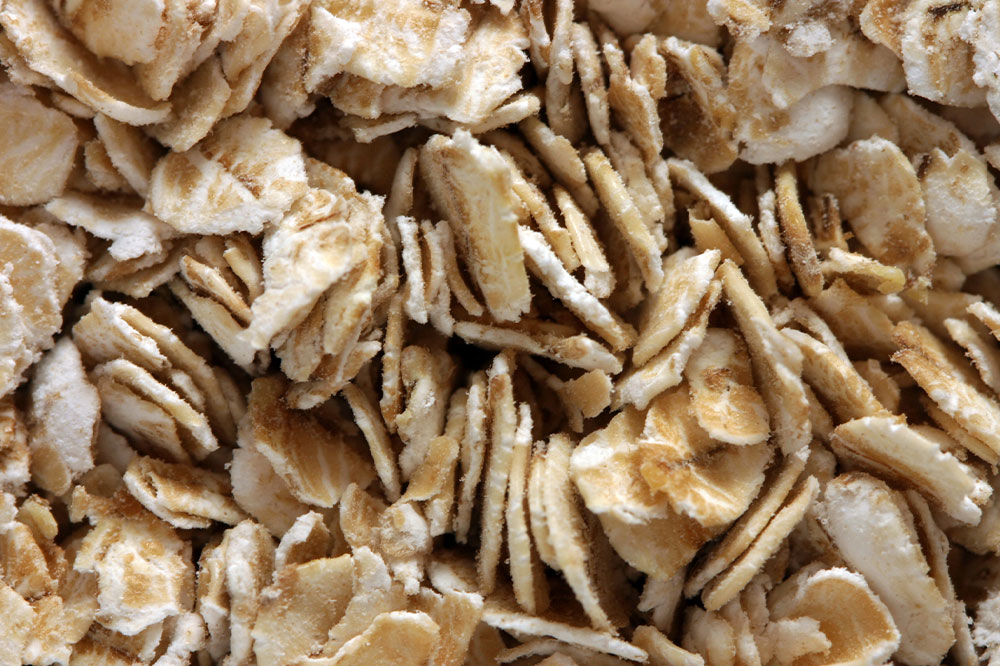
Oatmeal is a fiber-rich, whole-grain food that can be gentle on the esophagus. It is a great choice for those looking for a healthy eating plan while managing GERD and EoE. Oats are also low in acidity, making them less likely to trigger reflux symptoms. To enjoy oatmeal without worsening GERD and EoE symptoms, one should avoid adding highly acidic fruits or dairy. Instead, one may opt for toppings like honey, almond butter, or non-acidic fruits like bananas.
3. Leafy greens
Leafy greens, like spinach and kale, are rich in essential nutrients and can support esophageal health. They are low in acidic content and provide essential vitamins and minerals, including folate, which is vital for tissue repair. Leafy greens can be added to daily meals in the form of salads, smoothies, or lightly sautéed sides. One should avoid heavy dressings or acidic ingredients to keep the meals GERD and EoE-friendly.
4. Almond milk
For those with lactose intolerance or looking to avoid dairy, almond milk is an excellent alternative. It is low in acidic content and can be a soothing option for those with sensitive esophagus. Almond milk can replace regular milk and be added to cereals, coffee, or smoothies. One should choose unsweetened varieties to limit sugar intake.
5. Lean protein sources
Lean sources of protein, like skinless poultry, fish, and tofu, are less likely to trigger reflux symptoms than fatty or fried meats. Further, protein is essential for tissue repair and can support the healing process of the esophagus for those with EoE. When preparing lean protein, one should opt for grilling, baking, or steaming instead of frying. One can season it with herbs and spices rather than high-acid marinades.
6. Melons
Melons, including honeydew and cantaloupe, are low-acid fruits that can be a refreshing choice for those with GERD and EoE. They are also hydrating, which can help soothe the esophagus. One can enjoy melons as a snack, in fruit salads, or blended into smoothies. Melons are great alternatives to citrus fruits like oranges and grapefruits, which can be highly acidic.
7. Bananas
Bananas are low-acid fruits and are known for being gentle on the digestive system, making them an ideal choice for dealing with GERD and EoE symptoms. They also contain natural antacids that help neutralize stomach acid. Bananas can be enjoyed as a standalone snack, added to smoothies, or used as a topping for oatmeal and yogurt. Their versatility makes them an excellent addition to a GERD- and EoE-friendly eating plan.
8. Fennel
Fennel is a flavorful herb that can provide relief from GERD and EoE symptoms. It has been traditionally used to alleviate digestive discomfort and soothe the stomach. Fennel can be added to salads and roasted vegetable dishes or brewed as a soothing fennel tea. Its mild, licorice-like flavor can add a unique dimension to the meals while promoting digestive health.
9. Non-citrus fruits
In addition to melons and bananas, non-citrus fruits like apples, pears, and berries are generally well-tolerated by those with GERD and EoE. These fruits are lower in acidic content and can provide essential vitamins and fiber. Non-citrus fruits can be enjoyed as snacks, in fruit salads, or as ingredients in smoothies and desserts. One should avoid added sugars or high-acid toppings when eating such fruits.
10. Brown rice
Brown rice is a whole-grain food that is less likely to trigger GERD and EoE symptoms compared to refined grains. It is a good source of fiber and can support overall digestive health. One can use brown rice as a base for stir-fries and grain bowls or as a side dish for lean protein sources. Its neutral flavor makes it a versatile staple in a GERD- and EoE-friendly meal plan.
Management of GERD and EoE can require a combination of treatments. However, making informed nutritional choices along with seeking treatment can help relieve symptoms and improve overall well-being. Further, those with GERD or EoE should avoid eating large meals close to bedtime and practice good eating habits, such as chewing food slowly and thoroughly. Additionally, it is essential to consult a doctor for personalized guidance and to rule out any other underlying medical conditions.