Top 9 Signs of Poor Blood Circulation and Management Tips
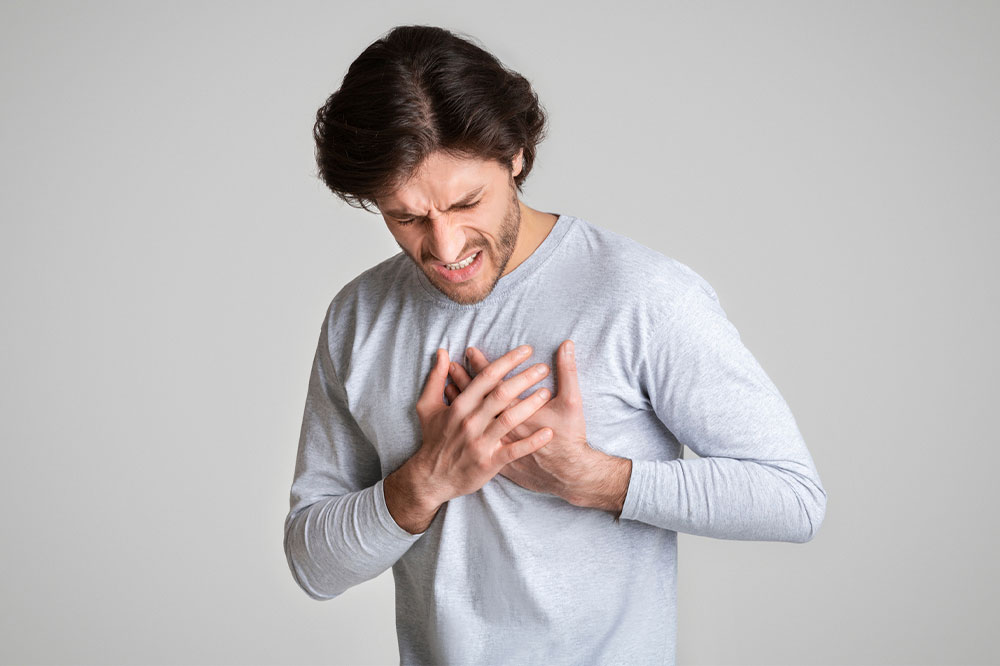
Human bodies rely on a complex network of blood vessels to deliver oxygen, nutrients, and immune cells. This intricate blood circulatory system is crucial to maintaining our health and well-being. However, poor blood flow can impact various aspects of one’s health, and early detection and timely intervention can prevent the issue from getting complicated. Here are some early warning signs and ways to improve blood flow with simple techniques.
Dry skin
Dry patches on the skin and cracks may emerge when blood circulation is compromised, which also affects the healthy skin’s capacity to regenerate new cells. Cells depleted of oxygen and vital nutrients because of poor circulation are likelier to age earlier than necessary. Additionally, impaired blood flow can cause the skin to look pale or darkened, indicating poor oxygenation.
Hair loss
Hair follicles depend on the blood to consistently deliver nutrients and oxygen to sustain healthy hair growth. Poor blood circulation to the scalp can deprive the hair follicles of these vital nutrients, weakening the hair and eventually causing hair loss. If one notices excessive hair shedding or a significant decrease in hair thickness, it may be worth investigating the possibility of poor blood circulation.
Erectile dysfunction
In men, poor blood circulation can contribute to erectile dysfunction (ED). Erections rely on healthy blood flow to the penile region, enabling the tissues to engorge with blood. Reduced circulation can hinder this process, leading to difficulty in achieving or maintaining an erection. ED can be an early warning sign of underlying cardiovascular issues that warrant medical attention.
Varicose veins
The veins’ valves may weaken or cease to function correctly when blood circulation is compromised, leading to varicose veins. These commonly show up on one’s legs. Look for veins that appear to be bulging or twisted. Varicose veins can cause symptoms in the afflicted locations, including soreness, heaviness, and aching.
Cold hands and feet
An ongoing struggle with cold extremities may indicate poor blood circulation. This occurs because less warm blood reaches the periphery when circulation is compromised, resulting in decreased heat distribution. So, constantly wearing extra layers of clothing or using heating pads to warm up one’s hands and feet, even with a minor dip in temperature, should prompt one to get medical attention.
Slow healing wounds
Individuals with poor circulation may notice that cuts, sores, or bruises take longer to heal or may become infected more easily. The blood carries immune cells, oxygen, and nutrients that accelerate healing. Lack of it thereof can delay the process.
Muscle cramps and weakness
Frequent muscle cramps and weakness can be a consequence of poor blood circulation. Muscles require an adequate supply of oxygen and nutrients to function correctly. Reduced blood flow can deprive muscles of these essential elements, leading to cramping, weakness, and fatigue. Cramps are commonly experienced in the legs, especially during physical activity.
Cognitive impairment
Brain function can be impacted by poor blood flow, which can result in memory loss, concentration issues, and decreased mental clarity. This is because poor circulation deprives the brain of oxygen and nutrients and reduces its capacity to perform at its best. So if one is experiencing chronic cognitive problems, including trouble thinking, processing information, and recalling memories, it’s best to get a medical checkup done to determine the underlying reason for these signs.
Fatigue and weakness
Individuals with poor circulation often experience chronic fatigue and weakness. The reduced supply of oxygen and nutrients to the body’s tissues and organs can leave a person feeling constantly tired and lacking energy. Fatigue associated with poor circulation may worsen with physical exertion and can impact daily activities.
Ways to improve blood circulation
There are several practical techniques to enhance blood flow and promote a more robust cardiovascular system, from modifying one’s lifestyle to teaching healthy habits into one’s daily routine.
Incorporate exercise routine
Studies have proven that exercise stimulates the heart and helps pump blood more efficiently throughout the body. So incorporating some exercise in one’s routine can be a game changer. One can take up physical activity as per one’s current level of fitness, from brisk walking, yoga, stretching, aerobics, and swimming to running, biking, gymming, or hiking can be beneficial. One is advised to stretch or warm up before any activity as it can increase one’s heart rate gradually and dilate blood vessels, allowing for better blood flow throughout one’s body.
Drink green tea and fruits
Green tea and berries like strawberries and blueberries are rich in antioxidants, especially flavonoids. Antioxidant-rich foods can help relax or dilate blood vessels, reduce the formation of blood clots, improve cardiovascular health, and promote blood flow. Some other antioxidant-rich foods include pomegranate juice, beetroot, tomatoes, and citrus fruits like limes and oranges.
Get checked for anemia
Anemia is a condition that indicates a deficiency of hemoglobin or red blood cells tasked to carry oxygen through the body. One may experience symptoms like fatigue, weakness, shortness of breath, and dizziness if one experiences this condition. It can also lead to constriction of blood vessels and impede blood flow. Women are more likely to be diagnosed with anemia than men. Taking iron-rich foods like legumes and spinach may help the condition.
Control blood pressure
High blood pressure or hypertension hardens or strains the arteries increases the risk of blood clots, and hampers blood flow. So if one’s suffering from hypertension, it’s important to monitor and maintain one’s blood pressure.
Elevate legs on the wall
If one notices swollen feet, one can lie down on the back and put up one’s feet against the wall to help move blood to the upper body. One can also use compression socks so that their pressure can further boost blood flow.
Get a massage or brush one’s body
Massages can relax and boost one’s blood flow throughout the body. Alternatively, dry brushing one’s body can also boost circulation.
While taking these proactive steps may show positive signs, it’s best to consult one’s healthcare professional for the best practices per one’s health conditions. A doctor is well equipped to consider all aspects of one’s health and prescribe lifestyle changes and suitable and prompt treatments in case of severe concerns like blockages.