Top causes for excessive sweating
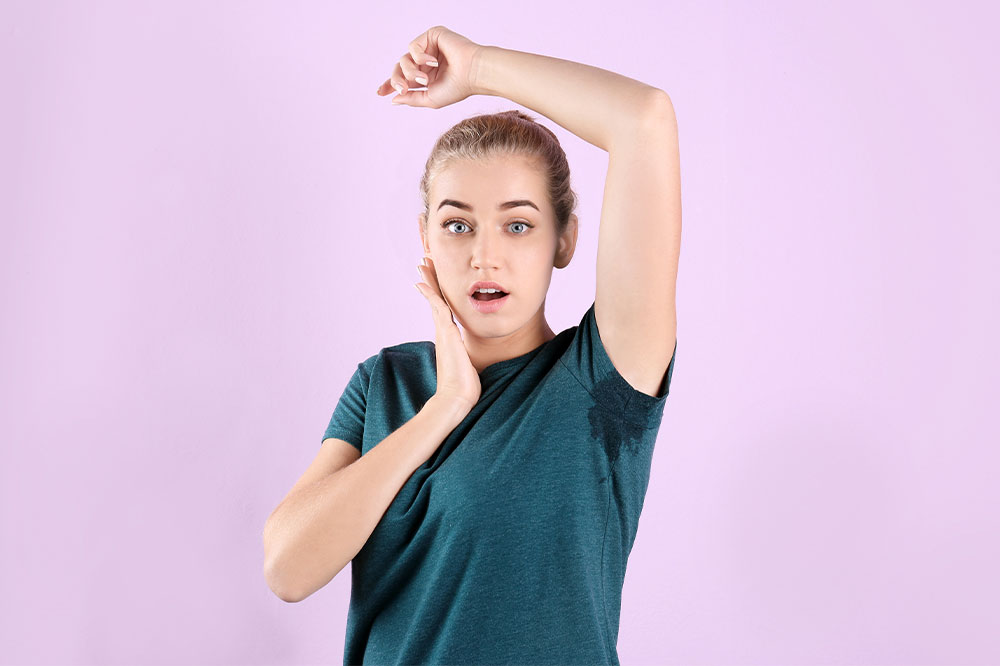
Sweating is body’s way to cool down when you experience excess heat. You may also sweat when you feel afraid or nervous, primarily due to inactivity or an average temperature. This is called excessive sweating or hyperhidrosis, scientifically. While there are several reasons for excessive body sweats, there is no proper cure, although getting diagnosed at the right time may help. Learn more about the causes of excessive sweating and the possible treatments and therapies.
Signs of hyperhidrosis
Firstly, you may experience sweating even when you are inactive or if your body temperature is average. Most hyperhidrosis patients sweat on one or two body parts. These include hands, feet, head, or underarms. Other features of the body mostly remain dry.
Another symptom related to excessive sweating is the amount of body sweat. More often than not, you are likely to find your clothes dripping wet, and you will have difficulty holding a pen in case of sweaty hands.
As your body sweats for extended periods, your skin will likely turn soft, peeling, and wet. Besides, skin problems like jock itch are not uncommon in such conditions. Moreover, the social embarrassment you face due to uncontrolled sweating is worse.
Types of hyperhidrosis
Hyperhidrosis or excessive sweating is mainly of two types:
Primary focal hyperhidrosis
It is the most typical form and has hardly any significant medical cause. It primarily begins in adolescence or even earlier. Under this condition, you are likely to sweat more than others as the nerves that activate your sweat glands may become too active, specifically when you are stressed, afraid or nervous. Primary hyperhidrosis mainly occurs during the day and may affect the following parts of your body:
- Face
- Underarms (Axillary Hyperhidrosis)
- Palms
- Groin area
- Under breast area
- Soles
There is a probability of primary focal hyperhidrosis being genetic as the factors triggering it have been observed to run in the family genes.
Secondary hyperhidrosis
This excessive sweating is caused by medical issues or probably due to a side effect of your treatment options. Sweating in this kind of hyperhidrosis occurs during the nighttime and may cover your entire body.
Principal causes of secondary hyperhidrosis
Some of the principal conditions that may cause secondary hyperhidrosis are:
Pregnancy
Pregnancy brings a tremendous amount of hormonal fluctuations. Consequently, several pregnant women have been observed to experience excessive sweating. This happens during the first and third trimesters and the postpartum period. Besides, during pregnancy, blood flow throughout the body increases significantly. Consequently, the mother tends to feel warmer causing her to sweat. Once you give birth, your hormones tend to settle, and so does your blood flow. As a result, the problem of excessive sweating disappears.
Menopause
The hot flashes caused by menopause are infamous for triggering uncontrolled sweating. Excessive sweating is a common phenomenon during the transition period of perimenopause. This happens because of the frequently rising and lowering of estrogen levels. As the female body prepares itself to enter the menopause phase, the hormones fluctuate more often. Consequently, your body gets overheated, and sweating begins.
Diabetes
Excessive sweating is one of the principal signs of diabetes-mellitus, a condition that impacts your body’s blood glucose utilization process. Your blood sugar levels may drop due to diabetes triggering a fight or flight response. This response activates the adrenaline hormones responsible for excessive sweating.
Besides, you may suffer nerve damage due to extended periods of low blood sugar, particularly those impacting the sweat glands. This condition is called neuropathy, where you sweat too much or too little. You should approach a doctor immediately if you have diabetes and are experiencing uncontrolled sweating. Remember that diabetes-induced hyperhidrosis is a symptom of your ill-managed blood sugar levels, making it urgent for you to seek professional assistance.
Infections
Infections are another significant cause of uncontrolled sweating. Some of the most typical infections that may trigger excessive sweating are:
- Endocarditis: It is a medical condition where your heart’s inner lining is inflamed. Sweating in this condition occurs mainly during the nighttime. Other signs may include pale skin, fever or chills, nausea, muscle or joint pain, and a bloated feeling in the upper-left abdomen.
- Tuberculosis: Besides sweating, you may experience chest pain, fever, unnecessary fatigue, and bloody cough.
- Osteomyelitis: It is a bone infection that causes excessive sweating, redness, pain, and puffiness in the affected region. It may also trigger stiffness, irritability, and fever or chills.
Treatments and therapies
Not-so-normal sweating is often observed to be a side effect of various therapies. Some of these include:
- High blood pressure pills
- Diabetes treatment options
- Antidepressants
- Hormone replacement therapy
You must consult your doctor to know if your prescribed treatment options or therapies may cause hyperhidrosis. Ask them to provide you with an alternative to curb excessive sweating.
Managing excessive sweating
Even though there is no definite cure for your uncontrolled sweating, there are some steps you can take to manage excess body sweats:
- Dress in layers
- Use antiperspirant deodorant
- Find ways to cool down, like sitting under a fan or opening the windows
- Lower the thermostat
- Have non-spicy foods and beverages
- Keep a hand towel or absorbent handkerchief to wipe away the excess sweat.
Lastly, there may be chances that your hyperhidrosis is because of a specific underlying medical condition. Therefore, it is essential to consult a health professional to confirm the precise cause of your uncontrolled sweating and get the necessary treatment or therapy.