Water purifiers – Their importance and benefits
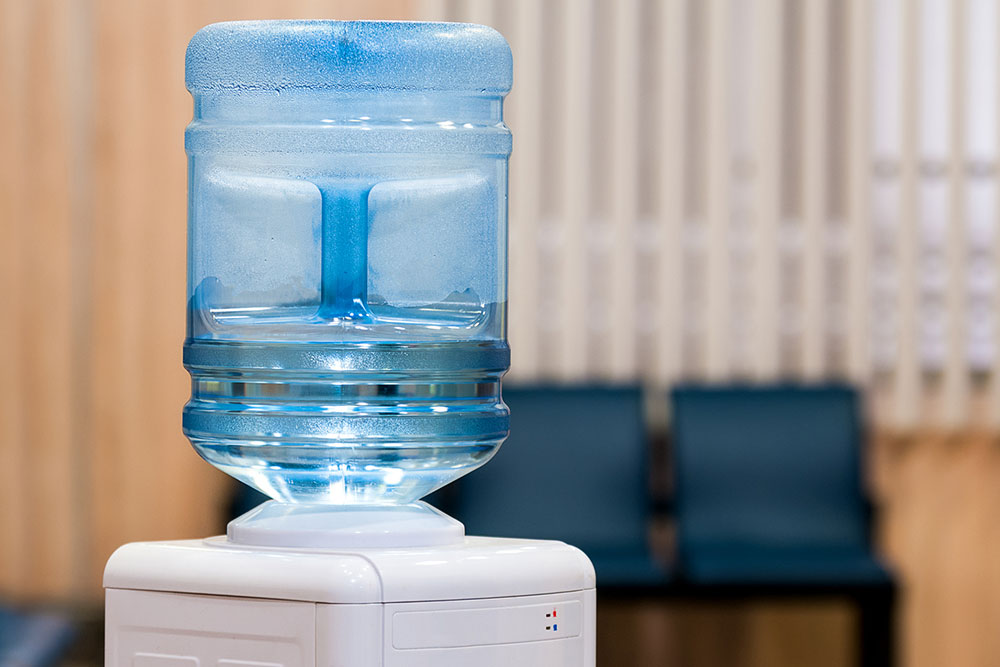
Increasing water pollution levels is a growing concern, especially since it has now hit home for many people. The availability of clean and safe drinking water is a rare privilege. Therefore, it is crucial to ensure that the drinking water at home is always free of harmful substances. Otherwise, it can lead to several health problems, such as water-borne diseases and infection. A solution to avoid this is to have a water purifier at home.
Water purifier – What it is
A water purifier works nearly the same as water filters but has some added advantages. Regarding similarities, water purifiers and filters remove impurities from drinking water. Besides this, a water purifier goes a few more steps ahead by removing harmful minerals from water and killing off all biological impurities. Most water purifiers do this using two methods:
- Reverse osmosis
This method works similarly to the normal filtration process. However, it does not use a device to capture all the impurities and pollutants. Instead, the RO process involves using a small, semi-permeable layer through which water is forced to go. Because of the high pressure of the force, particulate matter, impurities, and contaminants present in the water are captured in the membrane. - Distillation
This process involves heating water to a boiling point. The steam that is released is then collected and purified. This water is then finally moved through UV filtration, in which ultraviolet light kills the living organisms, such as viruses, bacteria, and fungi, that might be present in the water.
Benefits of a water purifier
Here are a few benefits of using a water purifier:
1. Is affordable
Using a water purifier makes sense from the perspective of household budgets. This is especially true if one has chosen to purchase bottled water so that their family can have clean and purified drinking water every day. While it’s easy to purchase bottled water in bulk from the local supermarket or online stores, the costs can quickly go up.
On the contrary, buying a water purifier is like a single-time investment. One just needs to buy it, and getting clean and safe drinking water for several years is sorted. The only recurring expense that may occur with a water purifier is when the filters have to be replaced. Despite this, the overall cost would be quite less than buying bottled water.
2. Is eco-friendly
Another benefit of opting for a water purifier instead of bottled water is that it is a much more environmentally sound decision than buying bottled water. For obvious reasons, bottled water usage leads to more waste production. Although many bottled water manufacturers claim to recycle and reuse their containers and bottles, it is not always 100% effective. On the other hand, a water purifier can help a household boost their energy efficiency without contributing to environmental waste.
3. Is a good source of drinking water
With a water purifier installed at home, one’s family can have uninterrupted access to clean and safe drinking water. There is no need to depend on purchasing bottled water or carrying heavy containers of water from the store. Whether the household needs clean water for cooking, drinking, or other essential household tasks, a water purifier makes things quite convenient and easy.
4. Is a better way to drink contaminant-free water
Even if a household chooses to drink tap water instead of bottled water, the water purifier still has many advantages. For starters, the quality of water is enhanced by a manifold. This is because most water purifiers replenish the essential minerals and vitamins present in the water. Moreover, the taste and odor of the water improve compared to tap water. Often, the presence of chlorine and other chemicals in tap water gives it a different taste and smell. But, with a water purifier, all these chemicals are removed to give high-quality, clean, and safe drinking water.
5. Lowers the risk of infections
Generally, untreated freshwater contains a substantial percentage of microbes, germs, and viruses. While some microorganisms do no harm, many are often the culprits of water-borne diseases. These often affect the digestive system and cause health disorders such as diarrhea, stomach flu, gastroenteritis, and worm infections. However, it is possible to safeguard the health of one’s family by installing a water purifier. It will get rid of all the harmful microorganisms, lowering the risk of water-borne diseases and infections related to the digestive system.
6. Makes the immune system stronger
The immune system works as the body’s natural defense system. It helps to combat diseases and infections. Therefore, when the immune system is functioning at its optimal capacity, the chances of falling sick are quite low. One of the ways to strengthen the immune system of all members of one’s family is through clean, safe, filtered drinking water. The water obtained through a water purifier flushes out impurities and toxins, thereby helping to boost the health of the immune system. This improves the function of the immune system, making it more responsive to pathogens that cause diseases and illnesses.
7. Reduces the risk of skin disorders
Often, the presence of certain chemicals, such as fluoride, in water can trigger skin problems. It can cause hyperpigmentation, acne, rashes, and dryness. This can be prevented by using an alkaline water purifier at home that treats and removes these harmful chemicals from water.