Foods That Help Manage Seizures
Foods That Help Manage Seizures
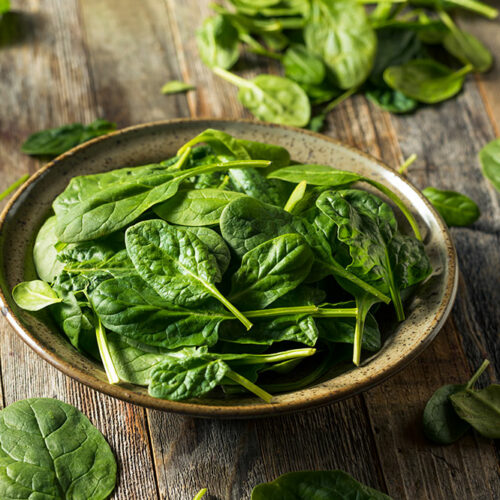
A seizure is a sudden increase in electrical activity between brain cells. The phenomenon leads to temporary abnormalities in muscle tone or movements, sensations, behavior, or states of awareness. Seizures usually occur due to a range of health complications, including infections and tumors. The symptoms are controllable with the right prescriptions. However, maintaining a healthy meal plan alongside ongoing treatments can improve brain health and reduce potential health complications that may lead to seizures. Spinach Introducing spinach to daily meals is one of the best ways to improve brain health. The leafy green is abundant in an antioxidant called lutein, which helps cleanse harmful substances from the brain and prevents age-related mental decline. The vegetable is also rich in magnesium, essential for managing muscle and nerve function. Moreover, spinach is rich in B vitamins, vitamin K, vitamin E, folate, and L-tyrosine, which are known to improve memory and mental focus. Blueberries Each type of berry, such as blueberries, packs antioxidants and anti-inflammatory properties essential for the brain. The berry contains polyphenols, a group of compounds that include anthocyanins. While the property gives the berry its blue/black hue, it is also associated with improved brain health. Anthocyanins are said to reduce inflammation, help neurons communicate better, and regulate how the brain utilizes glucose for energy.


9 foods that are harmful for pets

9 foods that are harmful for pets
Many pet owners prefer to prepare homemade meals for their furry friends. However, it is important to remember that some foods that are safe for humans can be toxic to pets. This article highlights some foods that should be avoided when feeding pets to avoid long-term illnesses. Before making any changes to the pet’s meal regime, consult a veterinarian. Additionally, keep a watchful eye for any side effects or allergic reactions the pet may have. Avocado This healthy superfood for humans is toxic for house pets. It contains a compound called persin, which can cause an allergic reaction in dogs. It can induce vomiting or even diarrhea. Apart from this, if ingested by mistake, the seed can get stuck in the stomach and intestines or the food pipe, worsening the condition of the pets. This particular type of food can be extremely harmful to birds, rabbits, donkeys, horses, sheep, and goats. In birds and rabbits, this food may cause cardiovascular problems, while horses and donkeys may experience swelling in the head and neck, which can lead to severe consequences. Chocolates It is a well-known fact that chocolate is extremely harmful to dogs and other animals. The culprit behind this sweet treat’s toxicity is theobromine, a compound found in both dark and milk chocolate.

Foods to Avoid to Manage Eosinophilic Esophagitis

Foods to Avoid to Manage Eosinophilic Esophagitis
Eosinophilic Esophagitis, or EoE, is a chronic digestive disease of the esophagus caused by an allergic condition. It is characterized by chest pain, heartburn, and solid food dysphagia. If this disorder is left untreated, it can cause esophageal remodeling and stricture formation. This disorder is also marked by eosinophilic inflammation and impacts the quality of life of the affected person. You can check out various reliable health websites to get information on eosinophilic esophagitis. A patient with EoE must be very careful with his health and meal plans, as research suggests that EoE is linked to food allergies. Therefore, the six most common food items that are responsible for such allergies include: Dairy Cow milk is said to be one of the most common reasons for EoE. Milk protein can trigger too many eosinophils. You should avoid food items made up of milk, buttermilk, lactose, and other related dairy products. You can replace dairy products with coconut hemp, dairy-free yogurts, cashew ice cream, etc. Soy Soy-based food items include tofu, soy butter, soymilk, and miso. Soy cheese, soy nuts, soy milk, etc., should be avoided and can be substituted with refined soybean oil or coconut aminos. Wheat You might think wheat is only found in bread, cereal, or baked goods.

Top 5 Foods to Manage Hyperkalemia

Top 5 Foods to Manage Hyperkalemia
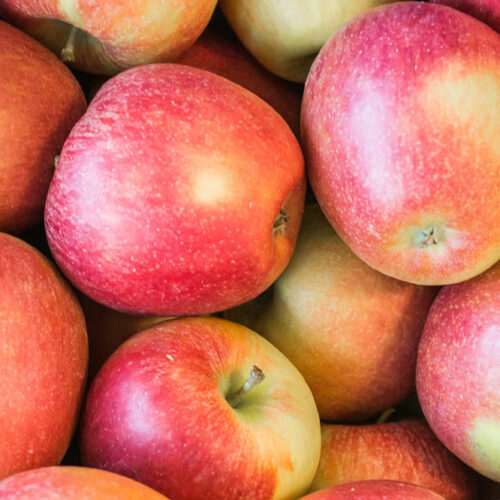
As both a mineral and an electrolyte, potassium facilitates the functioning of all of your muscles, including voluntary and involuntary muscles. Hyperkalemia refers to the condition of having excess potassium in your blood. It is harmful to have elevated potassium levels because a heart attack or even death can result from hyperkalemia. Some of the food items that patients with hyperkalemia can eat to maintain good health while avoiding a surge in potassium levels are: Apples Apples are a low-potassium fruit that can be particularly helpful in managing the health of hyperkalemia patients. They are a rich source of antioxidants, vitamins, and fiber. In fact, a medium-sized apple contains only about 148 milligrams of the element, making it an excellent choice for people with hyperkalemia. Apples also contain pectin, a type of fiber that may help lower potassium levels in the blood. Pectin works by binding to the electrolyte in the digestive system, preventing it from being absorbed into the bloodstream. The fruit can be eaten in a variety of ways, making them an easy and versatile addition to any meal plan. They can be eaten raw, baked, or stewed, and can be used in a wide range of recipes, from desserts and salads to smoothies.

Healthy Foods to Manage Menstrual Cramps

Healthy Foods to Manage Menstrual Cramps
About 80% of women worldwide suffer from menstrual cramps, also known as dysmenorrhea. Women can have period pain right from their teens and continue till menopause. However, in around 5 to 10% of women, menstrual cramps are painful enough to disrupt their daily lives. These cramping pains are intense throbbing sensations in the lower abdomen experienced during the menstrual period. This pain can radiate to the thighs and the lower back as well. The menstrual pain begins 1 to 3 days before the period starts, peaks on the second day of the menstrual cycle, and usually subsides after the third day. Some women may also have headaches, nausea, loose stools, dizziness, and painful menstruation. How to deal with menstrual cramps? If the cramps are mild or moderately painful, certain home remedies can help relieve the pain. However, if it is debilitating and disrupts your daily life, you may need to see a doctor. For pain that is not too severe, there are some home remedies that you can try. They include: Hot water bags Hot water bags or compresses applied to the lower back and abdomen can help soothe the period pain Exercise Some studies suggest that light exercises like yoga and mild cardio can reduce period cramps.

Foods to Eat and Avoid for Managing Psoriasis

Foods to Eat and Avoid for Managing Psoriasis
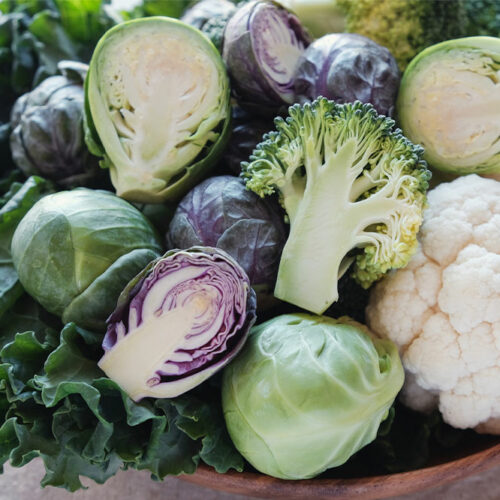
Psoriasis is a chronic autoimmune skin condition that affects approximately 2 to 3% of the world’s population. The symptoms of psoriasis include dry, cracked skin, colored patchy rashes, scaling spots, and itching or burning sensation. There is no cure for this condition, and all the treatments for psoriasis aim to improve the symptoms. Patients need to stick to a proper nutritional regime that includes eatables that help manage the symptoms and excludes the foods that can worsen the condition. 6 foods that can help manage psoriasis Fruits and vegetables Fruits and vegetables are rich in antioxidants. They protect a person’s body cells from the effects of free radicals. They contain lots of vitamins and minerals that help keep inflammation down. Foods like berries, grapes, tart cherries, broccoli, cauliflower, etc. are beneficial for managing psoriasis flare-up. Fatty fish Since fish like tuna, lake trout, cod, mackerel, and sardines are rich sources of omega-3, they can be consumed to keep psoriasis in check. However, it is seen that the intake of omega-3 is linked to a decrease in inflammatory substances and overall inflammation. Heart-healthy oils Consume olive oil and coconut oil, which are considered heart-healthy oils is considered healthy for managing the condition.

Our
Blog.

5 styling ideas for women over 60

5 styling ideas for women over 60

Age is a number when setting a true style statement. Regardless of anyone’s perception, just because you are reaching the 60s doesn’t imply to stop working on your appearance and renounce your desires to look fabulous. Fashion is not just merely about trends; it is about how you express yourself through clothes as the myths of age must not limit your expression. So, here are a few best styling ideas for women over 60: Embrace your age One of the most typical fashion mistakes people make is choosing outfits that are supposed to make them appear younger than their actual age. The problem with such a choice is that you are paradoxically accentuating your age when you try to look younger by wearing an outfit that will be more appropriate for youngsters. For example, if you don high heels, short skirts, or flashy fashions that might be more appropriate for a person half your age, you are indirectly making yourself appear “older.” Instead, you can opt for clothes that are specially tailored for women your age. Sporting “age-appropriate” dresses will conceal your age and make others appreciate your other features like glowing skin or your build. And consequently, you will appear much younger than your actual age.
Read More
5 tips to prevent and manage ulcerative colitis

5 tips to prevent and manage ulcerative colitis

Ulcerative colitis is a long-term inflammatory disease that triggers inflammation and ulcers in the digestive system. It impacts the colon and rectum’s innermost lining. The symptoms are typically produced over a period rather than unexpectedly. According to the latest studies, about 1 million people have ulcerative colitis, and if left untreated, it can be crippling and cause life-threatening conditions. So, here are 5 tips to prevent and manage ulcerative colitis: Get on with the treatment plan immediately Even though there is no concrete cure for ulcerative colitis, proper treatment can help ease the symptoms and signs of the condition and eventually provide long-term remission. If a patient feels that their bowel habits are consistently changing or if they experience any of the following symptoms and signs, they should immediately consult a doctor: Blood in stool Ongoing diarrhea that is not getting cured by any other types of treatments An unknown fever going on for more than a day or two Abdominal pain Diarrhea that wakes up the patient from sleep The treatments prescribed by the doctor will typically include a combination of oral therapy or surgery. As far as oral treatments are concerned, the doctor may prescribe any of the following types of therapies, depending on the patient’s existing condition:
Read More