5 mistakes to avoid before bed for better sleep
5 mistakes to avoid before bed for better sleep
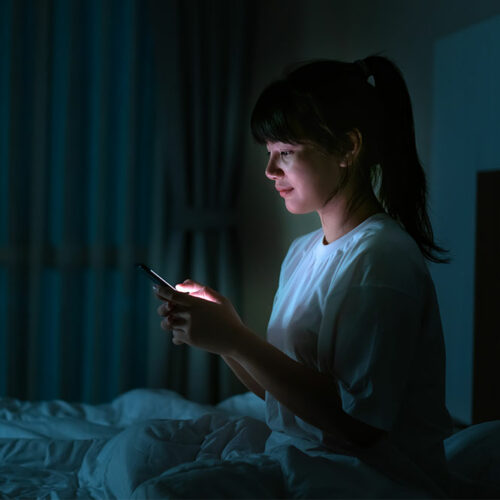
Have you ever woken up feeling tired and lethargic despite sleeping for seven to eight hours at night? It could be due to poor sleep quality. Disturbed sleep influences the rest of your day: how you think, your performance at work, and other tasks. The causes of poor sleep are many, including a faulty mattress, distractions in your room, or a heavy dinner. Avoiding the following mistakes before bed can help you sleep better: Staring at a screen Using gadgets close to bedtime is probably the most common mistake in the digital age. The blue light emitted from screens affects the production of a specific hormone responsible for inducing sleep and regulating the circadian rhythm. Apart from the blue light emission, the television or mobile phone sound can be a distraction that keeps you awake. High noise levels create lots of mental stimulation and disturbance, preventing the brain from shutting down. Hence, it is advisable to avoid using phones, televisions, and laptops for at least an hour before bed. Exercising Exercise is among the best solutions for good health, but you must do it at the right time. Physical activity late in the evening or at night hampers sleep patterns by increasing stress and raising body temperature.


5 things to avoid doing before bedtime for quality sleep

5 things to avoid doing before bedtime for quality sleep
Sleep is crucial for good health. It refreshes the body and mind and provides energy to carry out daily tasks. But unfortunately, many people find it hard to get quality sleep, which affects their overall health. Several factors, such as ongoing treatment or underlying health conditions, can affect a person’s sleep. But for some people, an unhealthy pre-sleep routine is the cause. Here are five things to avoid doing before bedtime for sound sleep: Staring at a screen If you stare at your mobile, TV, or laptop screens before bedtime, you might struggle to sleep well. LED screens of digital devices emit blue and white light that lower a particular hormone released by the brain called melatonin. This hormone is required to feel drowsy and fall asleep. When the release of melatonin is reduced, sleep quality is hampered, and you cannot fall asleep quickly. Research says that exposure to any light before bedtime is unhealthy, but blue light has the most harmful effects on sleep. So, avoid it as much as possible before bedtime. Exercising Heavy exercises just before bedtime can harm your sleep quality. When our body prepares for bedtime, the temperature starts to fall, heart rate reduces, and the brain slows down.

3 effective ways to improve bone health

3 effective ways to improve bone health
The human skeleton protects the internal organs, so keeping bones healthy and strong is important. Issues with bone density can lead to conditions like osteoporosis which can make the bones brittle. About 10 million people in the country are affected by osteoporosis, and about 54 million people are at risk of breaking their bones due to low bone density. So here are a few treatment options, food choices, and lifestyle changes to improve bone health: Treatment options One should get their bones checked if they are suffering from serious health issues like diabetes and lupus. Further, one should get regular checkups as they grow older and discuss persistent concerns with their doctor. They may recommend the following option: Evenity: For postmenopausal women, Evenity may be recommended for bone strengthening and treating osteoporosis. This is because in the period after menopause, women may have an increased risk of fractures and weakening of bones. This option is a form of anabolic treatment that promotes bone formation and is also known to stimulate the body’s natural healing powers to slow down the bone loss process. Changes in nutritional regimen One’s bone health invariably depends on what one eats. Further, making responsible choices in this regard can go a long way in keeping the skeleton strong:

12 early symptoms of gastric cancer

12 early symptoms of gastric cancer
Gastric cancer, also known as stomach cancer, is a severe health condition that silently develops within the stomach lining, often without noticeable symptoms in its early stages. This makes early detection and diagnosis challenging, as the disease is frequently diagnosed at an advanced stage with limited treatment options. However, understanding the early warning signs and symptoms associated with gastric cancer can be crucial for early intervention and improved prognosis. Let’s look at some of them. Persistent indigestion One of gastric cancer’s earliest and most common symptoms is persistent indigestion or dyspepsia. If one frequently experiences discomfort or pain in the upper abdomen, accompanied by bloating, heartburn, or a feeling of fullness even after consuming small meals, it could be a sign that something is amiss. While indigestion is often attributed to food choices or stress, it should not be ignored if it persists for weeks or months. Swelling or enlargement of the abdomen region In some cases, gastric cancer can cause the stomach to enlarge or swell due to the growth of the tumor. This enlargement may lead to a visible and palpable mass in the abdominal area. So, if one notices unusual swelling or enlargement of the abdomen that cannot be attributed to bloating, it is essential to seek medical attention promptly.

Breast cancer – Early signs and management tips

Breast cancer – Early signs and management tips
Breast cancer develops in the breast cells. It may affect either or both breasts and can begin in any part of the organ, such as the lobules, ducts, or nipples. The condition can spread to other body parts when the cancerous cells enter the bloodstream or lymph system. This article lists a few early warning signs of breast cancer individuals should look out for to ensure timely diagnosis and treatment. Beast itchiness Although itchiness of the breasts may not always imply breast cancer, persistent itching is one of the early signs of the disease. Some people may notice crust formation due to itching. In advanced stages, the itching may progress to the breast tissue, leading to the development of a lump. Lump on the breast Most breast lumps are benign and harmless; however, some may indicate cancer and must not be ignored. Breast lumps caused due to cancer are usually hard, painless, and uneven and differ in shape and texture from the surrounding skin. They are typically fixed to underlying tissue, like the chest wall. Changes in breast texture Another early sign of breast cancer is a marked change in the texture of the breasts. The affected breast may feel tender, warm, or hard to touch and swell up.

17 fridge mistakes to avoid

17 fridge mistakes to avoid
The refrigerator plays an integral part in the smooth functioning of the modern kitchen. It is not just a storage vessel. The refrigerator contributes to storing food, cooked and uncooked. It negates the need to produce shopping every other day. It plays a considerable part in meal planning and prepping for the upcoming week, making things easier for busy individuals. However, certain mistakes can contribute to the compromised functioning of the appliance and must be avoided. Overstuffing When one stuffs their refrigerator excessively, it can lead to spoiled food. The air circulation in the fridge is restricted when every inch of space is filled with groceries. This can cause uneven cooling and spoilage of food. To avoid this, adopting a “less is more” approach is important, allowing cool air to circulate freely and keeping all the items fresh. Disorganized interiors An untidy refrigerator can be compared to a disorganized wardrobe. Finding what one may need can be difficult, leading to items being overlooked and spoiling. To improve efficiency and make every ingredient easily accessible, it is important to introduce a system of organization. This can be achieved by grouping and labeling similar items, transforming the fridge into an orderly and convenient space.

Our
Blog.

5 styling ideas for women over 60

5 styling ideas for women over 60

Age is a number when setting a true style statement. Regardless of anyone’s perception, just because you are reaching the 60s doesn’t imply to stop working on your appearance and renounce your desires to look fabulous. Fashion is not just merely about trends; it is about how you express yourself through clothes as the myths of age must not limit your expression. So, here are a few best styling ideas for women over 60: Embrace your age One of the most typical fashion mistakes people make is choosing outfits that are supposed to make them appear younger than their actual age. The problem with such a choice is that you are paradoxically accentuating your age when you try to look younger by wearing an outfit that will be more appropriate for youngsters. For example, if you don high heels, short skirts, or flashy fashions that might be more appropriate for a person half your age, you are indirectly making yourself appear “older.” Instead, you can opt for clothes that are specially tailored for women your age. Sporting “age-appropriate” dresses will conceal your age and make others appreciate your other features like glowing skin or your build. And consequently, you will appear much younger than your actual age.
Read More
5 tips to prevent and manage ulcerative colitis

5 tips to prevent and manage ulcerative colitis

Ulcerative colitis is a long-term inflammatory disease that triggers inflammation and ulcers in the digestive system. It impacts the colon and rectum’s innermost lining. The symptoms are typically produced over a period rather than unexpectedly. According to the latest studies, about 1 million people have ulcerative colitis, and if left untreated, it can be crippling and cause life-threatening conditions. So, here are 5 tips to prevent and manage ulcerative colitis: Get on with the treatment plan immediately Even though there is no concrete cure for ulcerative colitis, proper treatment can help ease the symptoms and signs of the condition and eventually provide long-term remission. If a patient feels that their bowel habits are consistently changing or if they experience any of the following symptoms and signs, they should immediately consult a doctor: Blood in stool Ongoing diarrhea that is not getting cured by any other types of treatments An unknown fever going on for more than a day or two Abdominal pain Diarrhea that wakes up the patient from sleep The treatments prescribed by the doctor will typically include a combination of oral therapy or surgery. As far as oral treatments are concerned, the doctor may prescribe any of the following types of therapies, depending on the patient’s existing condition:
Read More