9 drinks that help manage constipation
9 drinks that help manage constipation
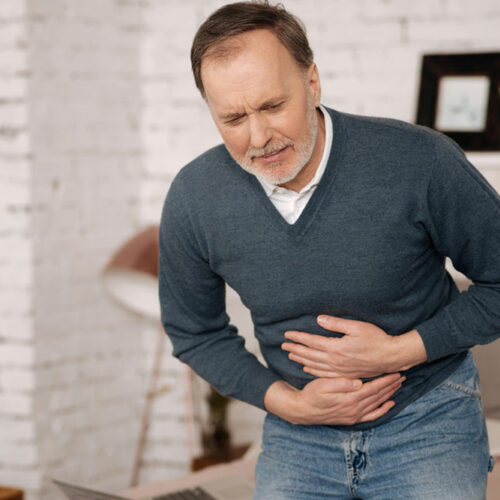
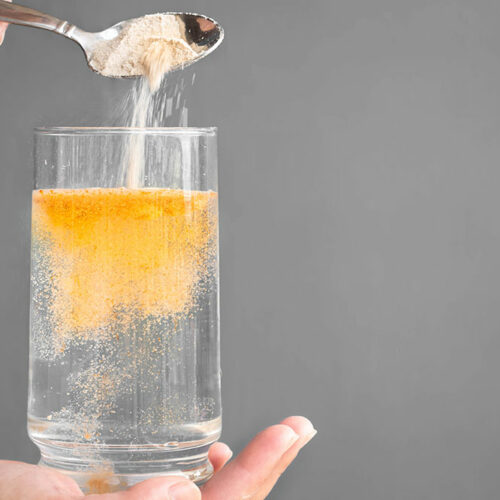
Most people who suffer from constipation, occasionally or regularly, may find the condition undeniably uncomfortable. Occasional constipation may occur when waste moves from the digestive system slower than usual, which causes it to build up, turn hard and dry, and make stool difficult to pass. There are multiple prescriptions that can help offer relief. A healthcare expert may also recommend these eight drinks to help relieve constipation in combination with treatments. Prune juice One of the most popular choices to relieve constipation is prune juice. An 8-ounce glass of fruit in liquid form contains close to 3 grams of fiber, which makes up about 10 percent of an individual’s Daily Value (DV). As for its benefits, the fiber content derived from prunes helps bulk up stools. Furthermore, the fruit is also rich in sorbitol, which assists in softening the waste matter, making it easier to pass. Since the juice is best enjoyed in its natural form, one should put about 5-6 pieces of the fruit in a bowl and soak it in a quarter cup of hot water for 30 minutes. After this, they need to blend the contents of the bowl, cool it down, and drink the juice. Apple juice Drinking apple juice may serve as a very gentle laxative for people with constipation.


11 period mistakes to avoid for better health and hygiene

11 period mistakes to avoid for better health and hygiene
Periods tend to be synonymous with menstrual pain, cramps, and other symptoms and are a hassle for almost every individual who menstruates. Approximately 80% of menstruating individuals experience period pain at some point. Period management involves several effective strategies and home remedies to alleviate discomfort and ensure hygiene and safety during this time. In addition, being aware of certain common period mistakes can help ensure a more hassle-free menstrual cycle: Changing pads and tampons infrequently Tampons and pads are a hotbed for the accumulation of bacteria, regardless of the amount of flow. Such bacteria can cause vaginal and urinary infections and emit an unpleasant odor. Individuals with normal blood flow should change their pads or tampons once every 3-4 hours, while those experiencing heavy menstruation should do so more frequently. Being dehydrated The body loses more fluids during menstruation than on other days. Thus, it requires more water to perform various functions, including regulation of body temperature and bowel movements, lubrication of joints, and supply of oxygen and nutrients to cells. Lack of water intake can slow down these functions, increasing weakness and fatigue. It is advisable to have a bottle of water handy throughout the day and set reminders if required to take water breaks frequently during one’s period.

10 Signs of Illness to Look Out for in Dogs

10 Signs of Illness to Look Out for in Dogs
Although pets cannot speak, they still communicate in other ways. If your dog feels ill, they may display signs of discomfort through subtle changes in their personality and mood. So, the key to knowing when your dog is sick is to look out for the signs. While this can prove difficult in older pets, you must look for the indicators. Read on to understand the 10 signs of sickness to look out for in your pet dog. Top 10 signs your dog is sick Lower energy levels Taking your dog for a walk can tire them out, but if you notice that your furry friend is consistently lacking energy, it can be a sign that something is wrong. The symptoms can be something as simple as decreased playfulness and lethargy. In such cases, it’s considered best to consult a veterinarian. This way, you can ensure a thorough examination of your dog’s overall health. Changes in urination Most trained dogs will not urinate around the house. So, when outside on your daily walk together, you must look for certain signs, such as changes in urine volume, blood in the urine, and strain while urinating. Especially in older dogs. Excessive urination can be a sign of kidney issues or diabetes mellitus, and blood in the urine could signify urinary tract infections or stones in the bladder.

10 warning signs of bladder cancer one shouldn’t ignore

10 warning signs of bladder cancer one shouldn’t ignore
Bladder cancer is a form of cancer that originates in the bladder cells and may spread to other organs eventually. A family history of bladder cancer might be one of the causes of this health condition. However, environmental factors like contaminated water and diseases like chronic urinary tract infections may also be risk factors. Early detection of bladder cancer signs may help patients receive prompt treatment and manage their symptoms better. Blood in the urine One of the earliest warning signs of bladder cancer is blood in the urine, or hematuria, which causes urine to appear red. Around 80 to 90% of those with bladder cancer experience this symptom. Sometimes, blood may not appear in the urine, but it might be detected when one gets a laboratory examination done. The need to urinate frequently Patients with bladder cancer may feel the need to urinate very frequently. This symptom might not always indicate bladder cancer since many other health conditions share this warning sign. But if one’s urination patterns undergo a noticeable change, one should consult a healthcare professional without delay. Burning sensation when passing urine Cancer cells developing in the bladder might come together to form tumors, which might trigger a burning sensation when passing urine.

13 foods that worsen breathing difficulties

13 foods that worsen breathing difficulties
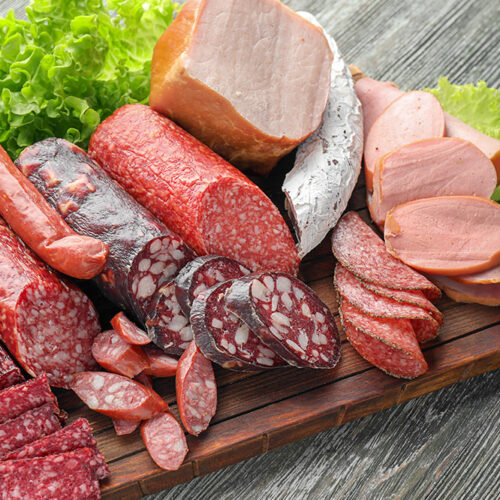
The lungs are one of the most vital organs in the human body. Thus, they must remain in good shape to live a healthy life. However, many foods can unknowingly cause them harm and worsen breathing difficulties, whereas adding the proper nutrients to the food regime can help one breathe easier and minimize symptoms of conditions like asthma and COPD. Here are some of the worst foods for lung health that may worsen breathing difficulties: Processed meat Processed meats such as bacon, ham, hot dogs, sausages, and other lunch meats are often treated with additives and preservatives to add flavor and extend their shelf life. This can harm lung health and function. According to certain research, processed meats have been linked with an increased risk of chronic obstructive pulmonary disease (COPD), which may cause breathing difficulties. Additionally, processed meats also contain sodium nitrite, a known carcinogen that can increase one’s susceptibility to lung cancer. Vegetable oil Vegetable oils are used in most households to cook food. However, certain oils, such as canola oil, soybean oil, corn oil, sunflower oil, grapeseed oil, and safflower oil, can be dangerous for the lungs. This is because they contain unhealthy fats that can lead to heart disease, increased inflammation, and excessive mucus production, which may impact one’s breathing.

10 Unhealthy Habits That Damage the Teeth

10 Unhealthy Habits That Damage the Teeth
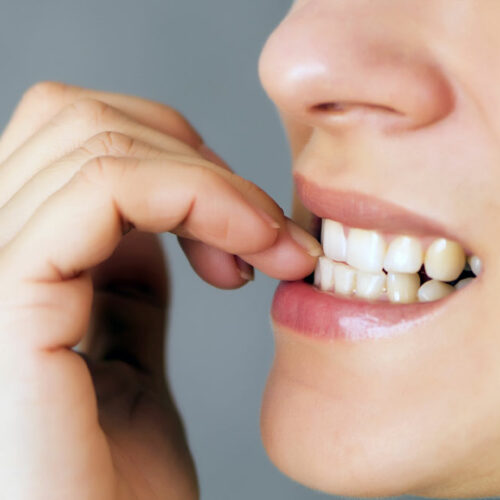
It is common knowledge that teeth are one of the most vital parts of the human body. They help chew food, enhance smiles, give the face a balanced appearance, and more. This is why it is essential to maintain good dental habits and eliminate the bad ones. While brushing one’s teeth daily, flossing, and avoiding sugar-heavy foods, are some good habits, here are some unhealthy habits that damage the teeth: Brushing vigorously As specified earlier, brushing is good for the teeth. However, many people go overboard with their effort to brush their teeth. Vigorous brushing leads to tooth enamel wearing out and gums receding, resulting in progressively sensitive teeth. To avoid these outcomes, one must be gentle on their teeth and gums while maneuvering their brush from one end to another. Biting nails When stressed out, people are more than likely to bite on their nails even without realizing it. Nail-biting is bad for one’s dental health for a host of reasons. For one, this habit transfers all the germs and bacteria from one’s hands into their mouth. Apart from that, biting one’s nails is a surefire way to damage and break the teeth over a period of time. What’s more, when a person bites their nails regularly, they are putting a lot of pressure on their teeth, causing them to subtly move around.

Our
Blog.

5 styling ideas for women over 60

5 styling ideas for women over 60

Age is a number when setting a true style statement. Regardless of anyone’s perception, just because you are reaching the 60s doesn’t imply to stop working on your appearance and renounce your desires to look fabulous. Fashion is not just merely about trends; it is about how you express yourself through clothes as the myths of age must not limit your expression. So, here are a few best styling ideas for women over 60: Embrace your age One of the most typical fashion mistakes people make is choosing outfits that are supposed to make them appear younger than their actual age. The problem with such a choice is that you are paradoxically accentuating your age when you try to look younger by wearing an outfit that will be more appropriate for youngsters. For example, if you don high heels, short skirts, or flashy fashions that might be more appropriate for a person half your age, you are indirectly making yourself appear “older.” Instead, you can opt for clothes that are specially tailored for women your age. Sporting “age-appropriate” dresses will conceal your age and make others appreciate your other features like glowing skin or your build. And consequently, you will appear much younger than your actual age.
Read More
5 tips to prevent and manage ulcerative colitis

5 tips to prevent and manage ulcerative colitis

Ulcerative colitis is a long-term inflammatory disease that triggers inflammation and ulcers in the digestive system. It impacts the colon and rectum’s innermost lining. The symptoms are typically produced over a period rather than unexpectedly. According to the latest studies, about 1 million people have ulcerative colitis, and if left untreated, it can be crippling and cause life-threatening conditions. So, here are 5 tips to prevent and manage ulcerative colitis: Get on with the treatment plan immediately Even though there is no concrete cure for ulcerative colitis, proper treatment can help ease the symptoms and signs of the condition and eventually provide long-term remission. If a patient feels that their bowel habits are consistently changing or if they experience any of the following symptoms and signs, they should immediately consult a doctor: Blood in stool Ongoing diarrhea that is not getting cured by any other types of treatments An unknown fever going on for more than a day or two Abdominal pain Diarrhea that wakes up the patient from sleep The treatments prescribed by the doctor will typically include a combination of oral therapy or surgery. As far as oral treatments are concerned, the doctor may prescribe any of the following types of therapies, depending on the patient’s existing condition:
Read More